Articles
Browse all our published articles
AEO
12 Articles
Topic Cluster Strategy: How to Map Pillars That Compound Rankings
A citation-graph approach: lock one URL per intent so AI fan-out compounds the pillar instead of splitting credit.

How to Add Citation-Ready Answers Without Keyword Stuffing
A sentence-level writing contract: one extractable block engines can quote, plus proof that still reads like a human.
How to Write SEO Articles That Survive AI Overviews
A dual-win writing contract: extractable answers engines can cite, plus original proof that still earns the click.

How to Add llms.txt to WordPress and Shopify
CMS-specific install paths so AI crawlers can fetch a citation map at /llms.txt—not a robots.txt clone.

What Is llms.txt? A Practical Spec for Site Owners
Ship a crawl contract for answer engines—not a robots.txt clone or a citation generator.

llms.txt Generator: How to Help AI Crawlers Cite Your Site
Turn your content clusters into a machine-readable citation map—not a second robots.txt.

AI Visibility: What It Means and How to Measure It
A practical definition of AI visibility—and a lean way to measure citations, mentions, and share of answer
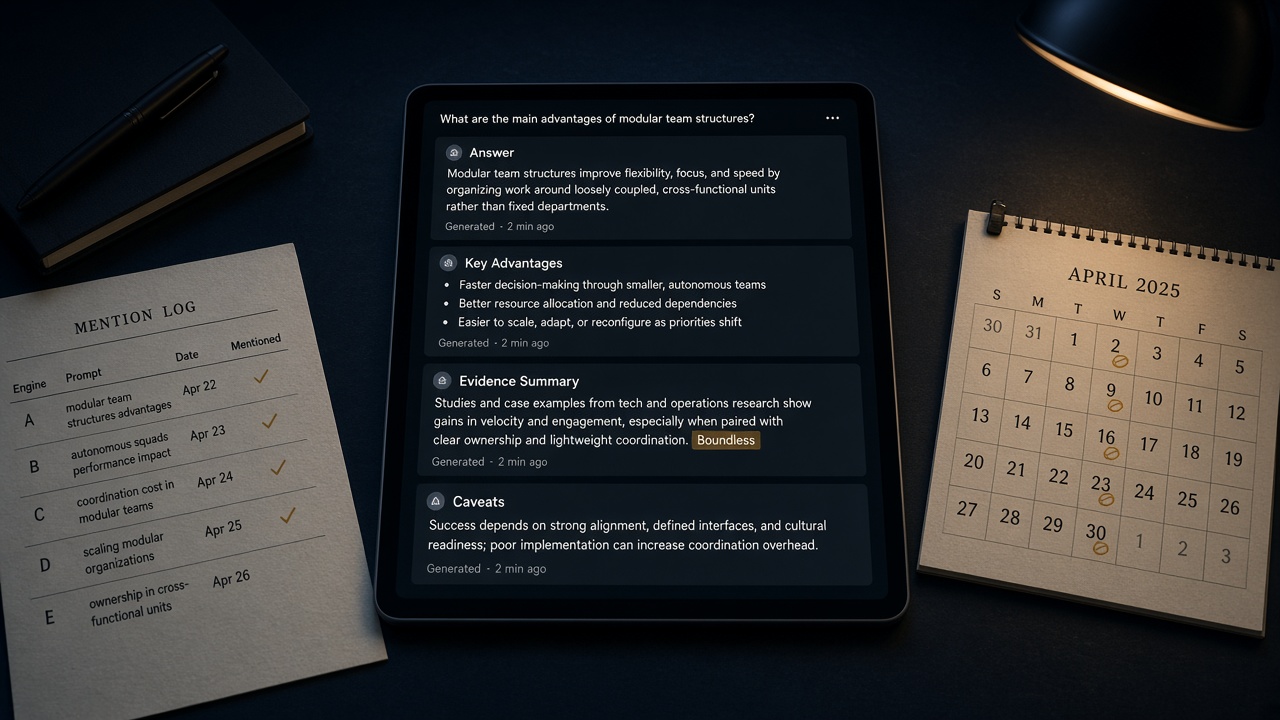
AI Search Visibility: How to Track Mentions Across Answer Engines
An operating system for engines, prompts, cadence, and mention trends—not another one-off citation audit.
AI Search
6 Articles
When an AI Citation Should Trigger a Content Refresh
A fail-closed rule for operators who log ChatGPT and AI Overview mentions
Knowledge Base SEO: Structure Docs So Search and the Concierge Can Cite Them
One public question per URL, answer-first HTML, and a chunk log the concierge can cite or hold.
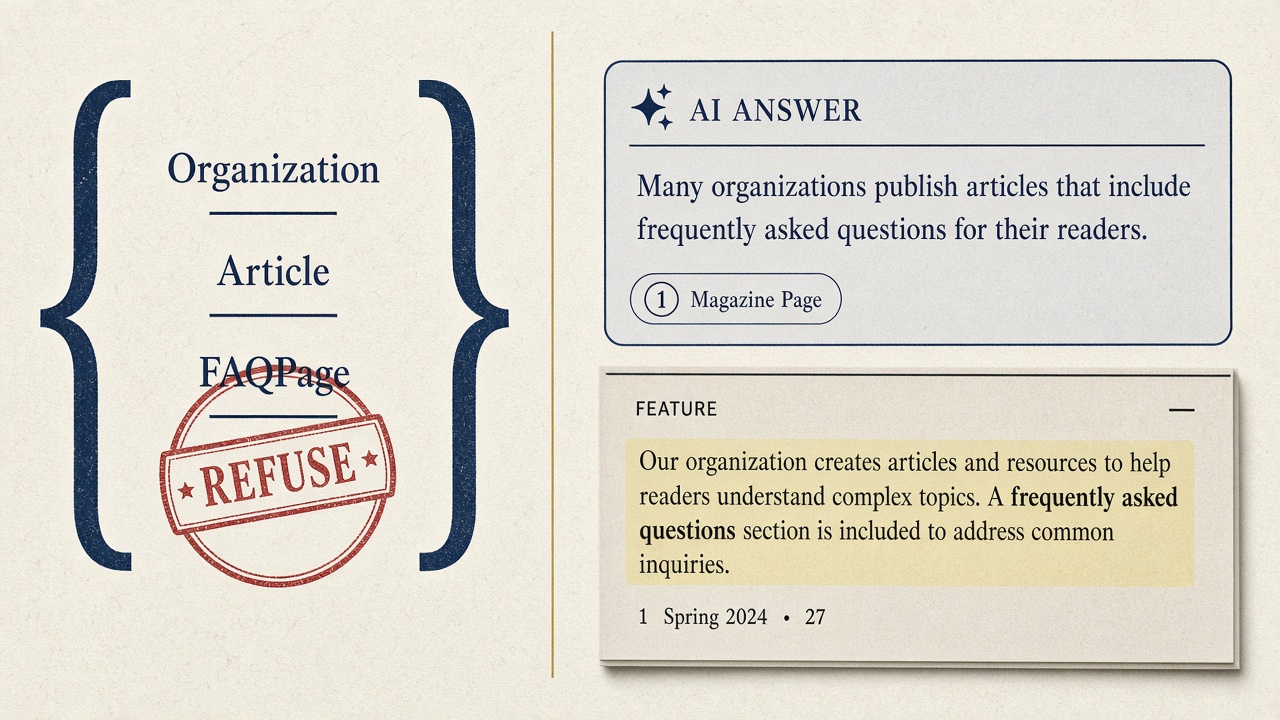
Schema for AI Overviews: Which Markup Still Helps
A fail-closed gate for markup that still describes the page — and the schema projects to refuse.

Passage-Level SEO: How to Write Blocks Answer Engines Can Lift
A copyable block spec for scaled briefs: one standalone passage per sub-question, and a hold when the block cannot be read alone.
AI Overview Citation Patterns: What Gets Quoted vs Ignored
Rank gets a page into the pool. The quote goes to an early answer—not to schema, length, or Domain Rating.
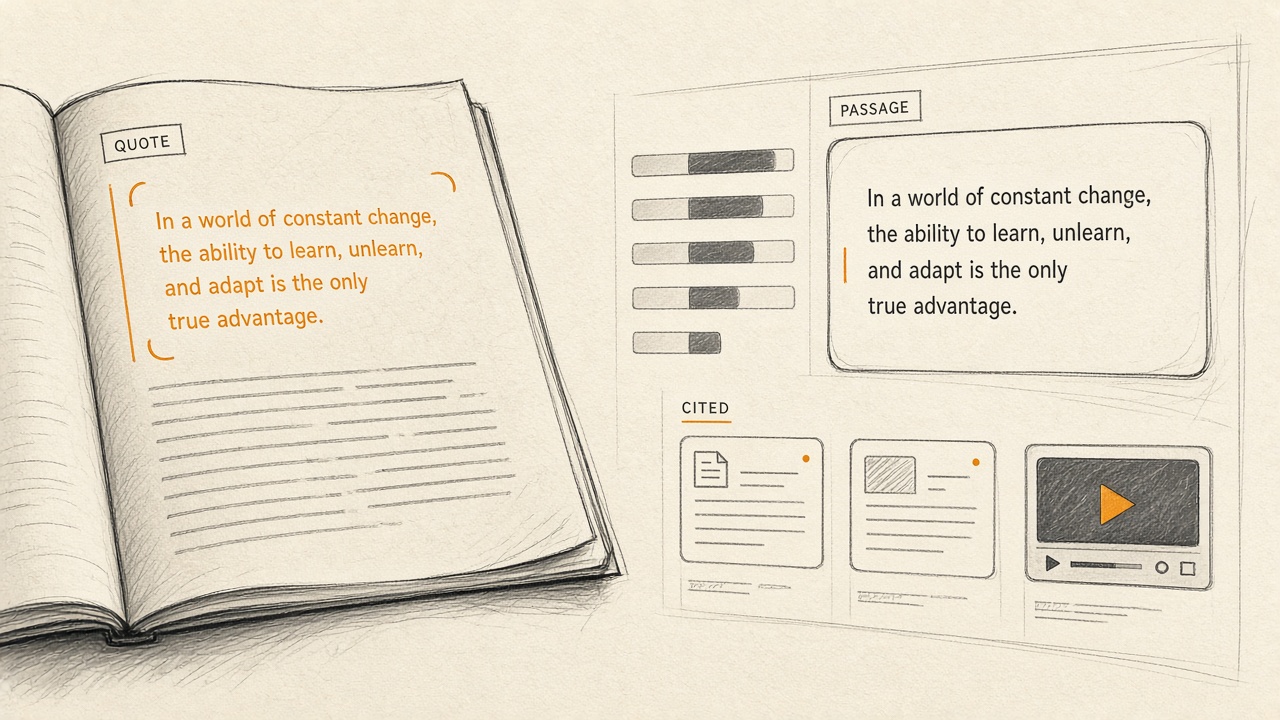
AI Overview Optimization: How to Structure Pages Google Can Quote
Eligibility, one passage per fan-out question, a proof line, and a hold — inside the brief you already run.
Automation
18 Articles
Originality Checks That Do Not Kill Useful Automation
A fail-closed publish contract that holds thin or copied drafts without using an AI-detector score as a kill switch.
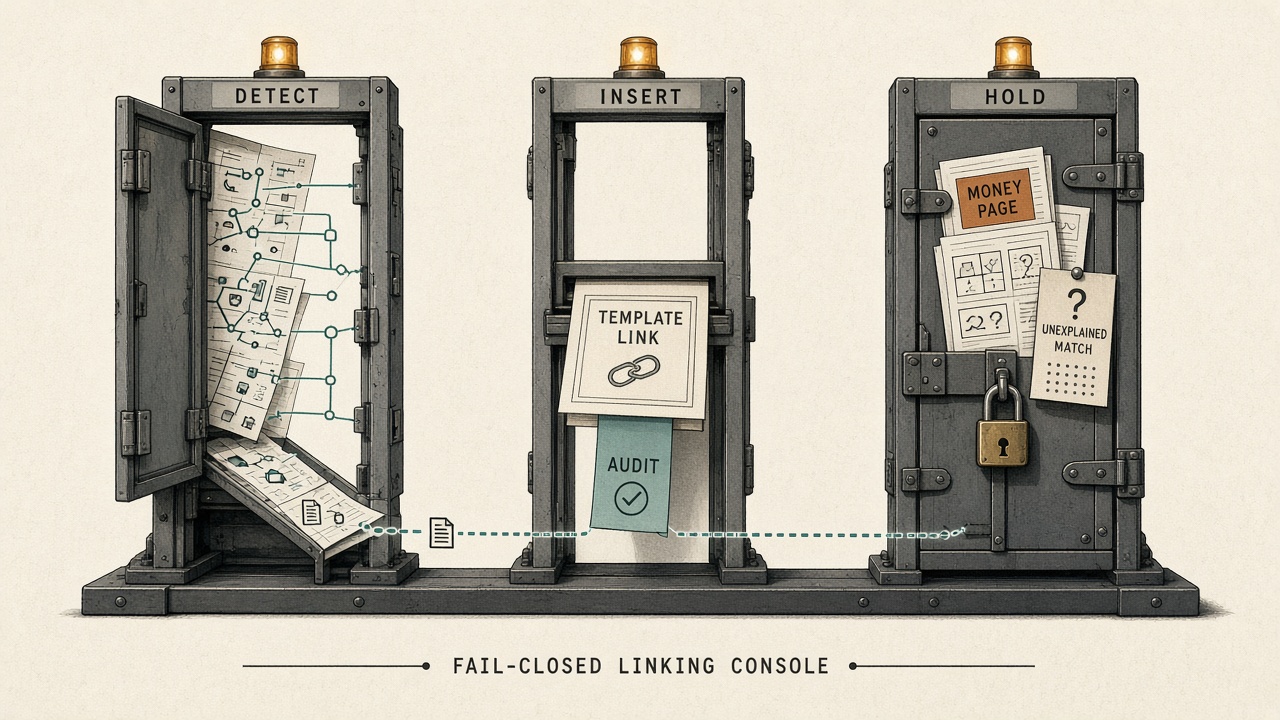
Internal Linking Tool Gates: Detect, Insert, or Hold for Review
A fail-closed write model for teams who already installed the tool—not a buyer’s guide or a scale playbook.

What Is Autoblogging? The Fail-Closed System Lean Teams Can Scale
A research-to-publish contract that separates drafting tools from ranking systems.

Fail-Closed SEO Briefs: The Publish Gate Autoblogging Needs
Automate clustering and drafts. Freeze the brief. Refuse to publish anything that would read as scaled-content abuse.

AI Content Generator vs Autoblogging System: Which Scales?
Draft engines multiply words. Publishing systems multiply indexed pages. Scale is the difference.
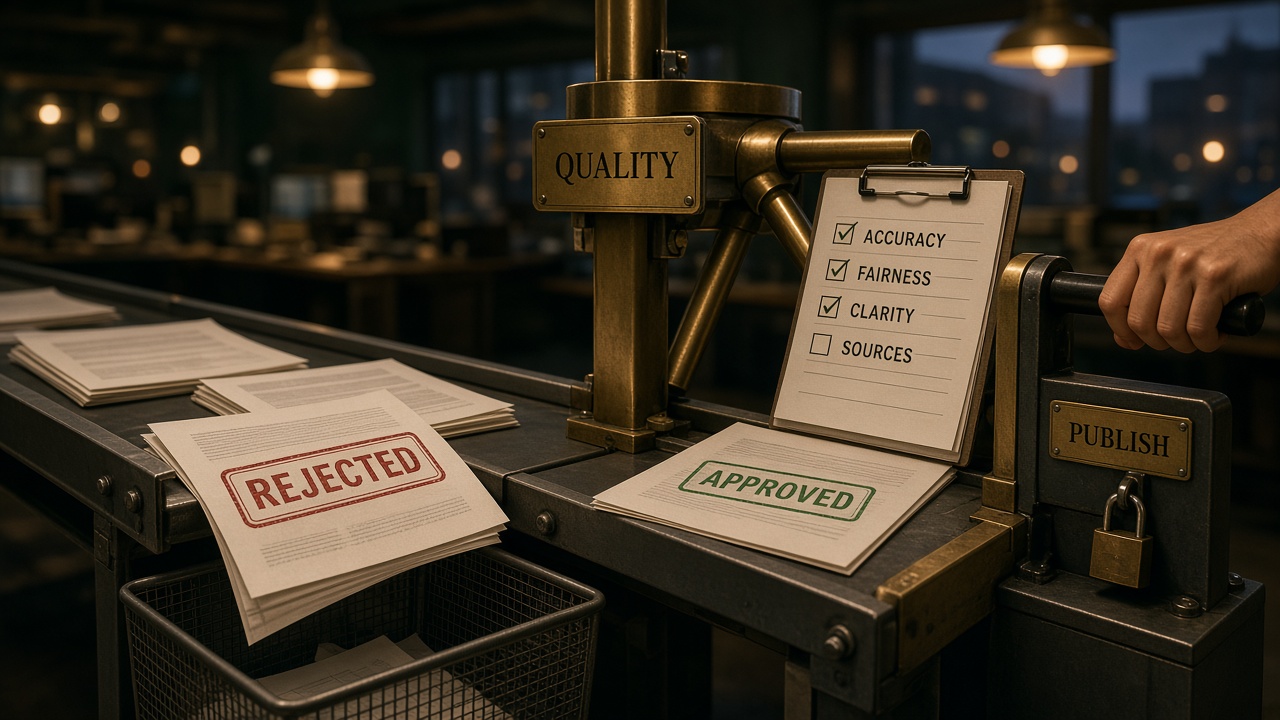
Automated Blog Posts: Quality Guardrails That Prevent Thin Content
Treat autoblogging as a gated line: automate the draft, then enforce a publish contract that kills unhelpful pages.

Best Internal Linking Tools for Content Sites (Compared)
A lean-team scorecard: match the tool to the job, then keep human gates on money and programmatic pages.
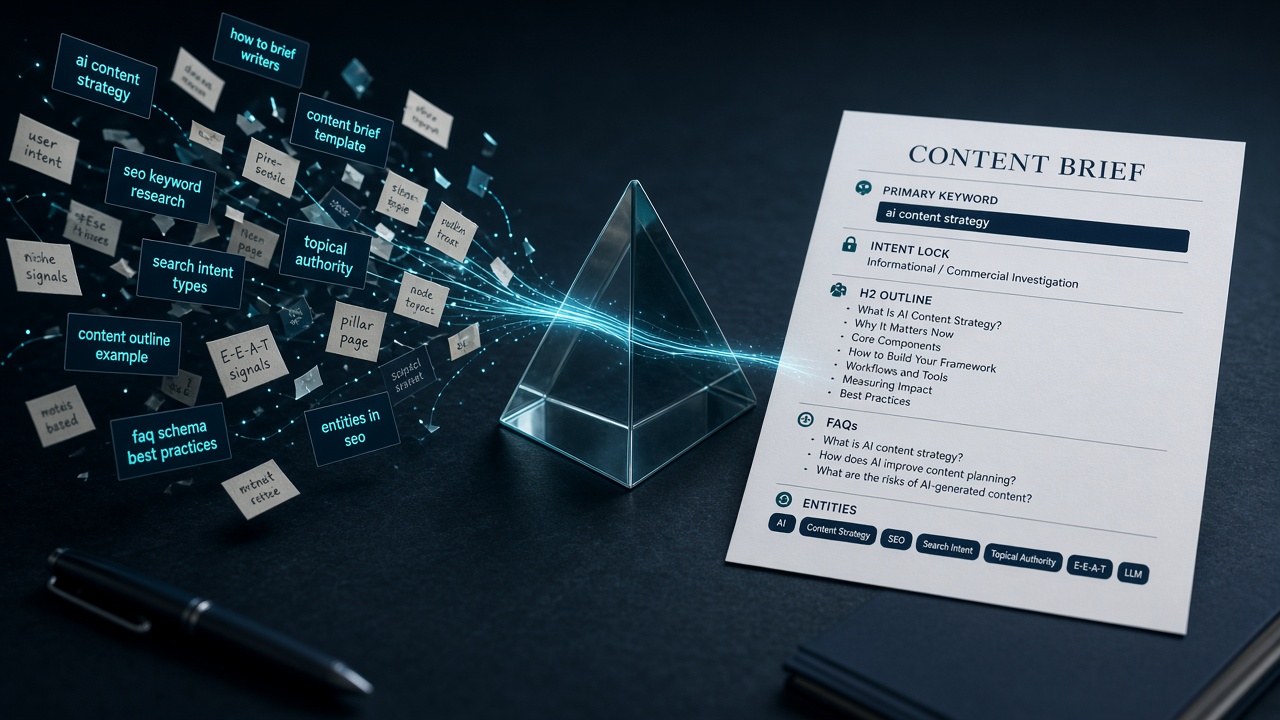
How to Turn Keyword Clusters Into Briefs Automatically
A mapping contract and triggered workflow that turns approved clusters into rank-ready briefs—without the spreadsheet dump.
Comparisons
5 Articles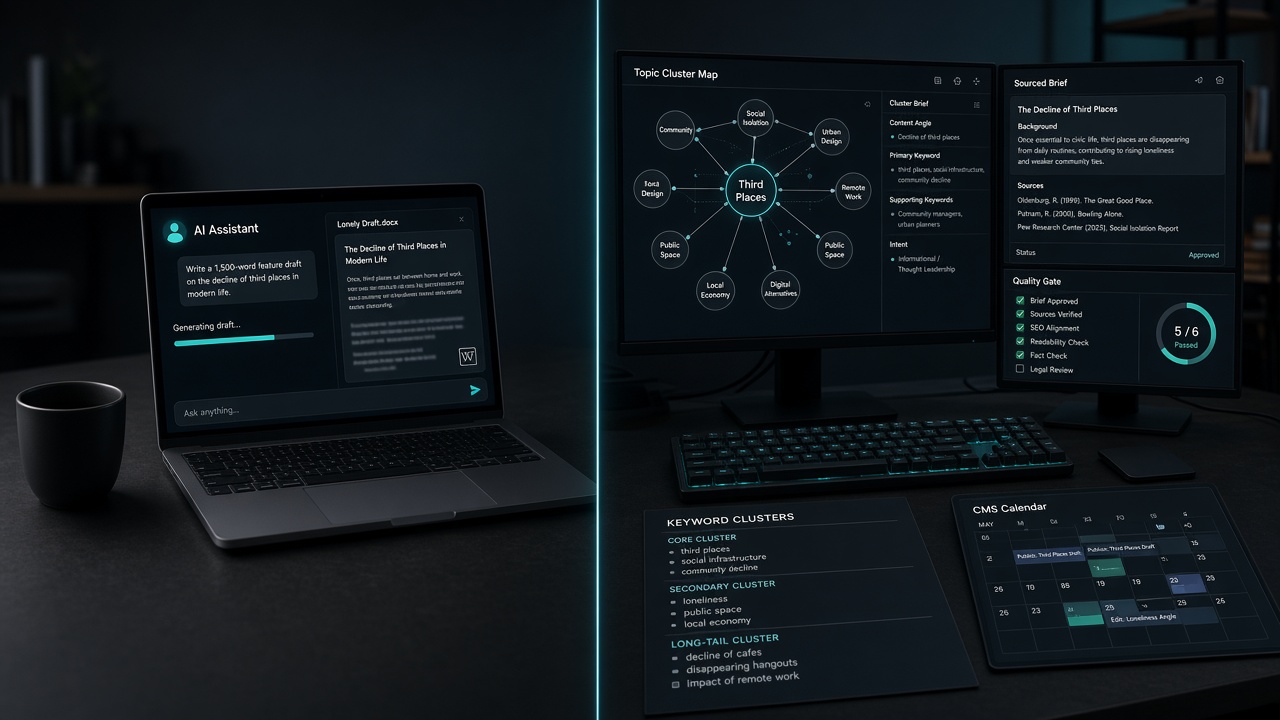
AI Article Writer: When to Use One vs a Full Publishing System
A job-to-be-done split for operators who already have a draft tool

Website Chatbot vs AI Concierge: Which Should You Deploy?
A job-to-be-done deploy decision for lean ecommerce and SaaS operators
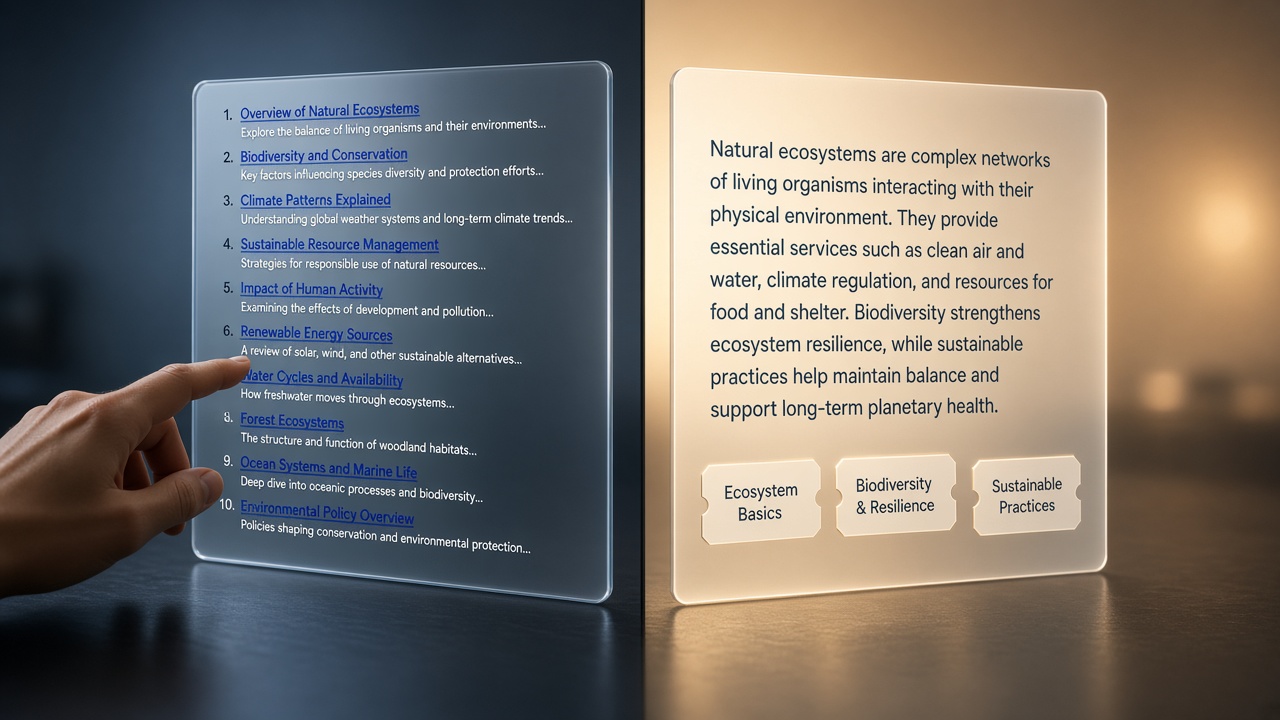
AEO vs SEO: What's Different and What Still Matters
A clear split between ranking pages and earning citations—without throwing out the work that still drives discovery.
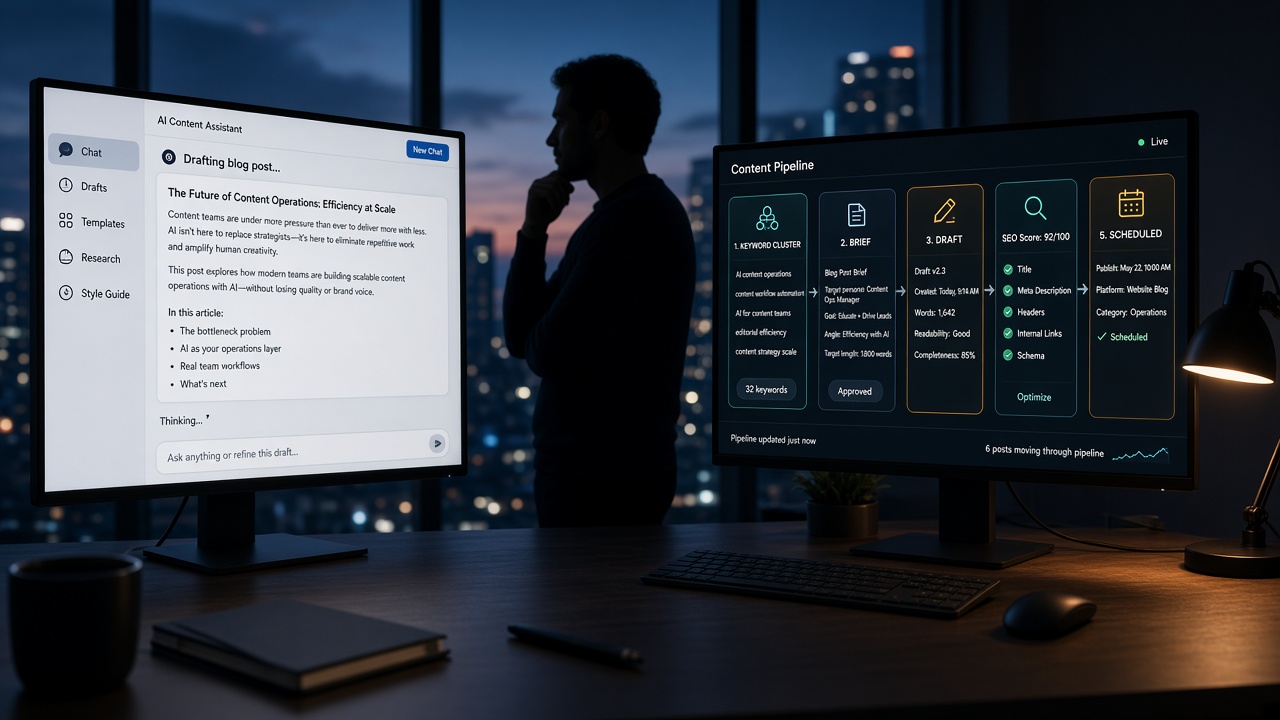
AI Blog Writer vs Autoblogging: Which Model Scales Content?
An operator scorecard for lean teams choosing prompt-to-draft tools or end-to-end research-to-publish systems

Best SEO Automation Tools in 2026 (Compared by Job-to-Be-Done)
A lean-team buyer’s scorecard: pick tools by the job they own, the quality gates they enforce, and the stack they fit—not by feature count
Concierge
7 Articles
When Flows Should Refuse a Query Instead of Guessing
A three-outcome card a cited-page concierge can follow: answer, refuse and log, or hand off.

Flows Concierge: Questions It Should Answer From Your Articles
A copyable allow-list of question classes one current article can answer, with a cite-or-log rule instead of a guess.

How to Train a Site Assistant on Your Own Articles
A fail-closed intake contract: which published articles may be indexed, how a section becomes a citable chunk, and when to hold the rest.

What Questions Should an AI Concierge Answer vs Escalate?
A fail-closed rule for cited-page concierges: answer, clarify once, or hand off.

Website AI Assistant: How to Answer Customer Queries Without a Generic Chatbot
Answer from a cited page, escalate on five triggers, and turn every gap into the next brief.

Shopify AI Shopping Assistant: Use Cases and Setup Considerations
Catalog-aware buying help for Shopify—not another FAQ widget

AI Concierge: How an AI Online Assistant Handles Customer Queries
An operator playbook for turning on-site questions into resolutions—and a feedback loop for content that ranks
Governance
7 Articles
Content Atomization Rules: What to Extract vs What Stays on the Canonical URL
A fail-closed card: off-site atoms may leave; the complete answer stays on one ranking URL.
SEO Content Repurposing: Turn One Published Page Into Briefs Without New Thin URLs
A fail-closed brief that keeps one ranking URL as the owner and sends extracts to email, social, and the concierge.
Publishing Governance Checklist Before an Automated Article Goes Live
A per-URL fail-closed gate: publish only when a named person, sources, and a retract path are on the record.
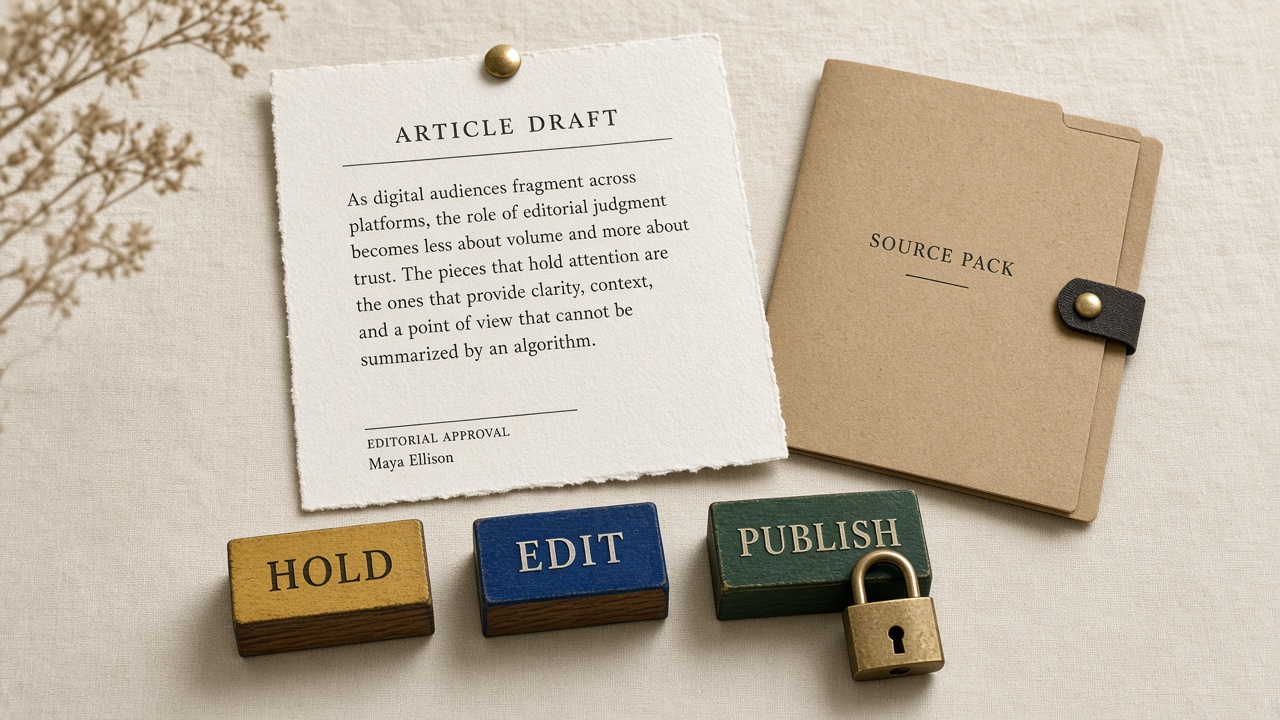
Content Approval Workflow: Hold, Edit, or Publish in One Pass
One named human, one pinned draft, and a fail-closed choice that silence cannot override.
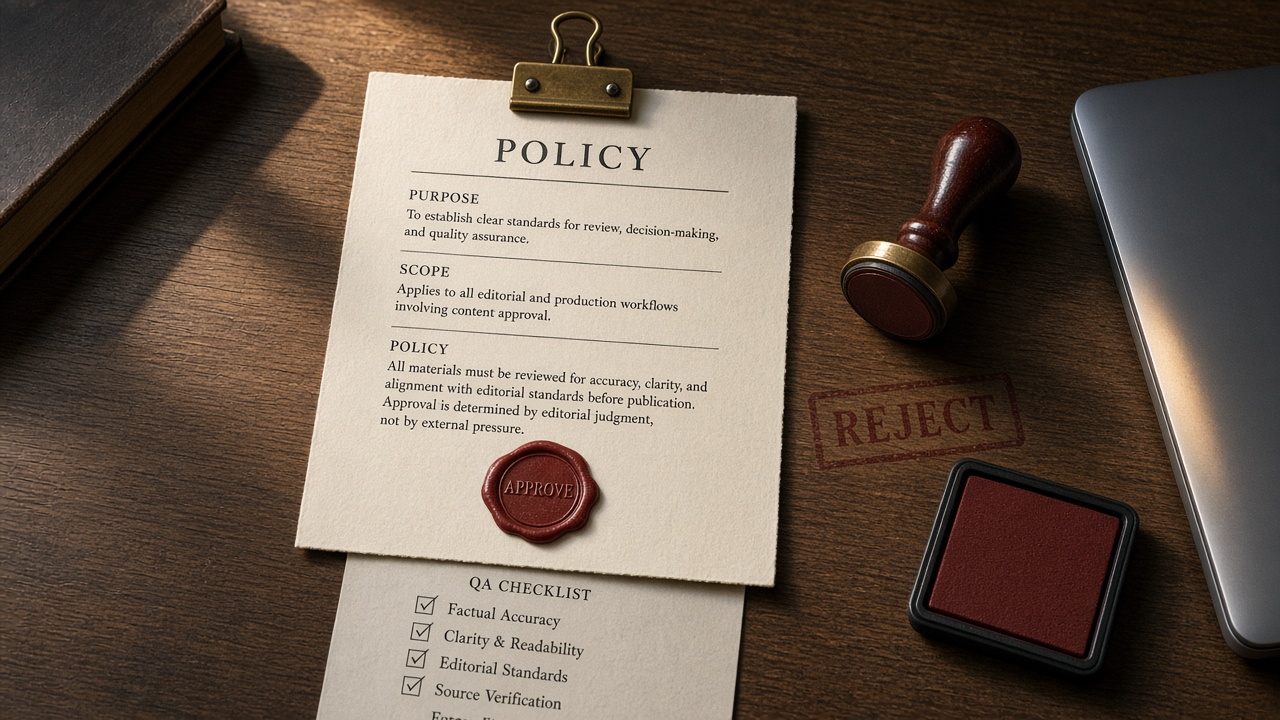
AI Content Governance Policy: A One-Page Rule Set for Lean Teams
A fail-closed page lean publishers can copy: what to automate, what a named human must review, and what to refuse.

Content Governance for AI Publishing: Who Can Approve, Edit, or Kill a Draft
The policy layer above sign-off and QA: named rights to approve, edit, or kill an automated draft.
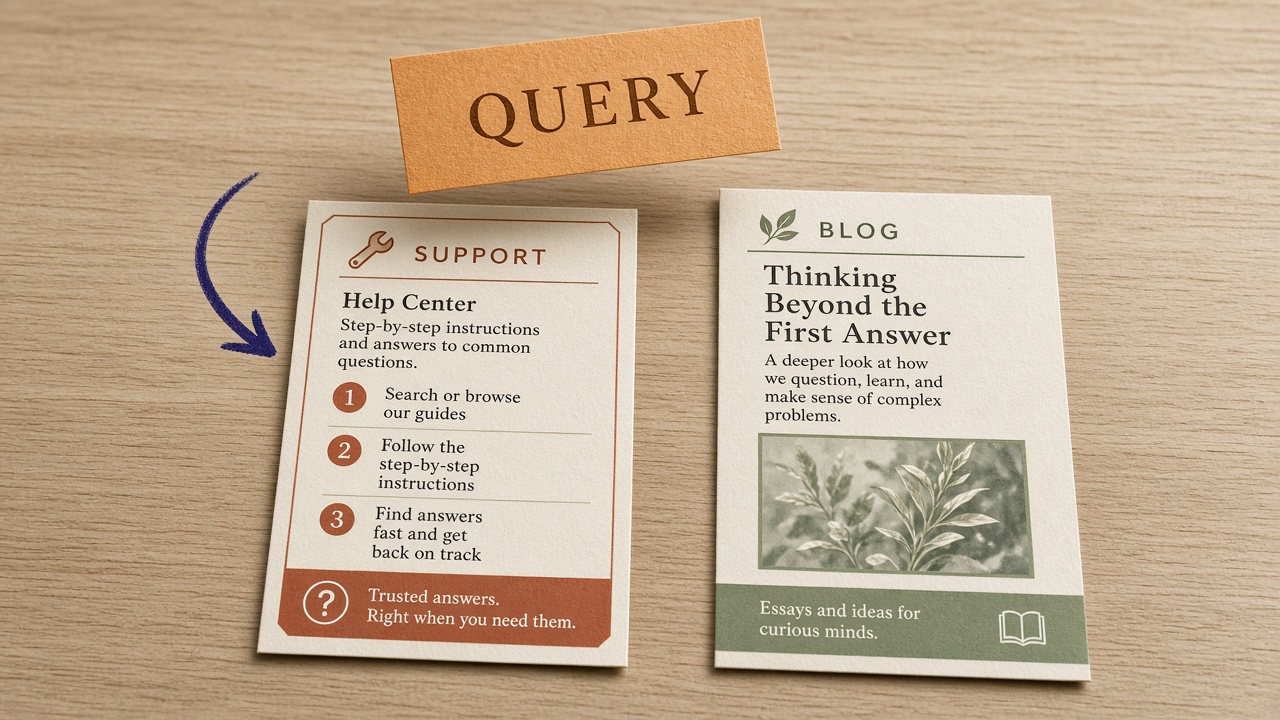
Support Article vs Blog Post: Which URL Should Answer the Query
One query job, one owner URL: support for tasks, the blog for concepts.
Guides
22 Articles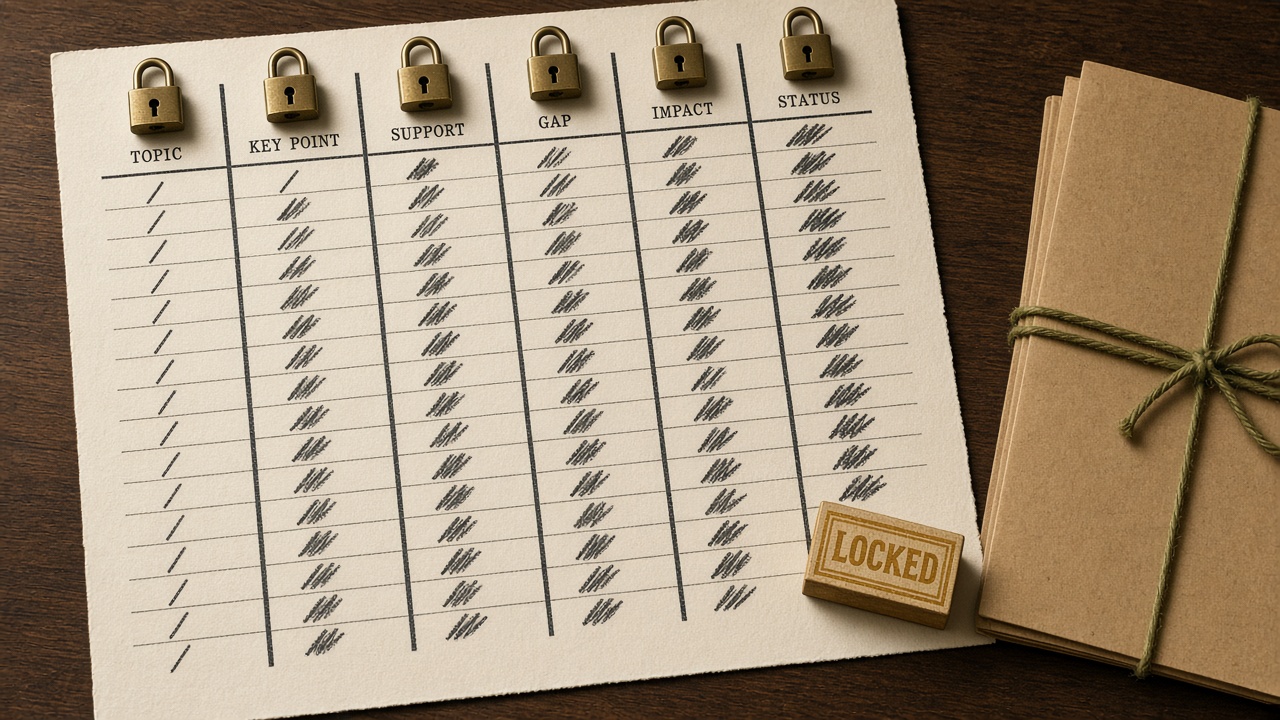
Content Gap Spreadsheet: Fields a Lean Team Should Log Before Briefing
A fail-closed field list so a one-person sheet decides create, expand, merge, or skip before a brief opens.

How to Read a Competitor’s Topic Cluster Without Copying Their URLs
A one-person reading pass that turns a rival cluster into intents, link roles, and a fail-closed decision—without cloning their slugs.
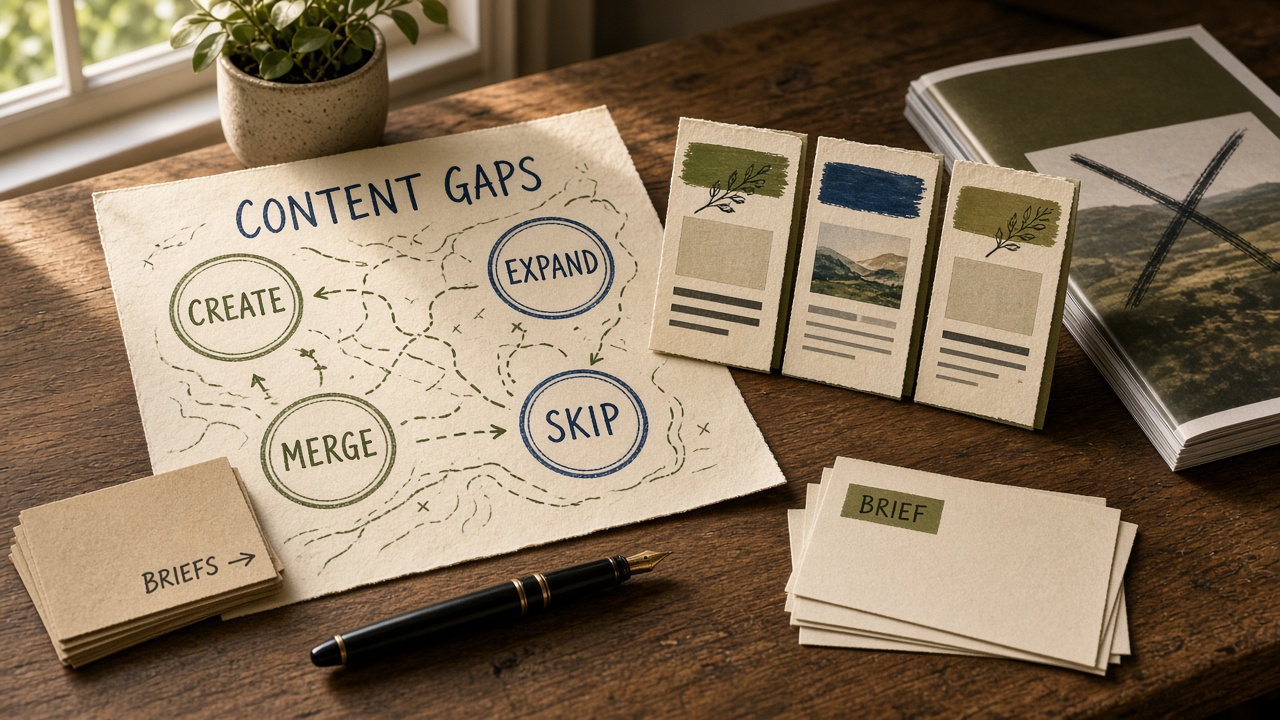
SEO Competitor Content Gap Analysis: A One-Person Method Without a Suite
Start in Search Console, compare similar-size rivals, and fail closed into create, expand, merge, or skip before anything reaches a brief.

How to Find Cannibalizing Pages in Search Console Without a Paid Tool
A fail-closed Pages-tab check that logs a split only when two URLs truly compete.

How to Submit a New URL in Search Console Without Treating It as a Ranking Trick
A fail-closed gate for one Request indexing click: live test first, no rank promise, no bulk queue.
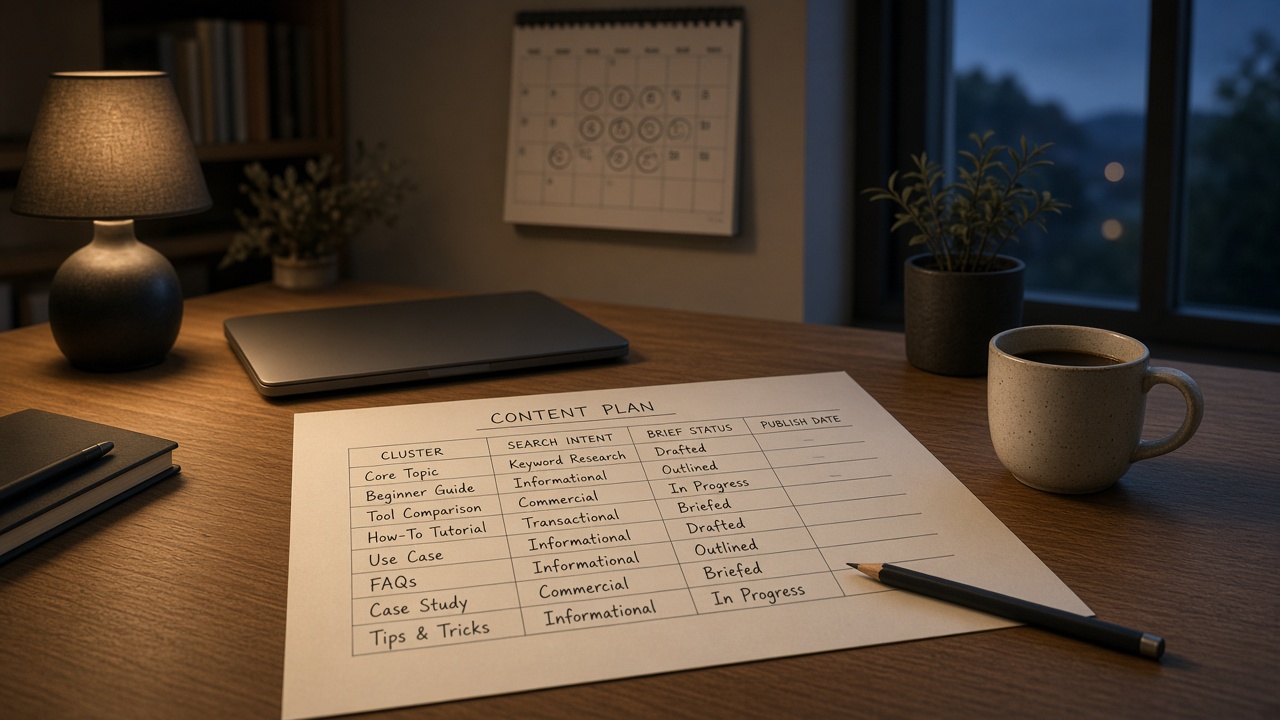
Content Calendar Software for a One-Person SEO Stack
Four products share the name. Pay only for the job a sheet and a free WordPress calendar cannot do.

Help Center SEO: How to Turn Support Articles Into Rankable Answers
One public answer per recurring ticket question—indexed, quotable, and refused when it is thin or stale.
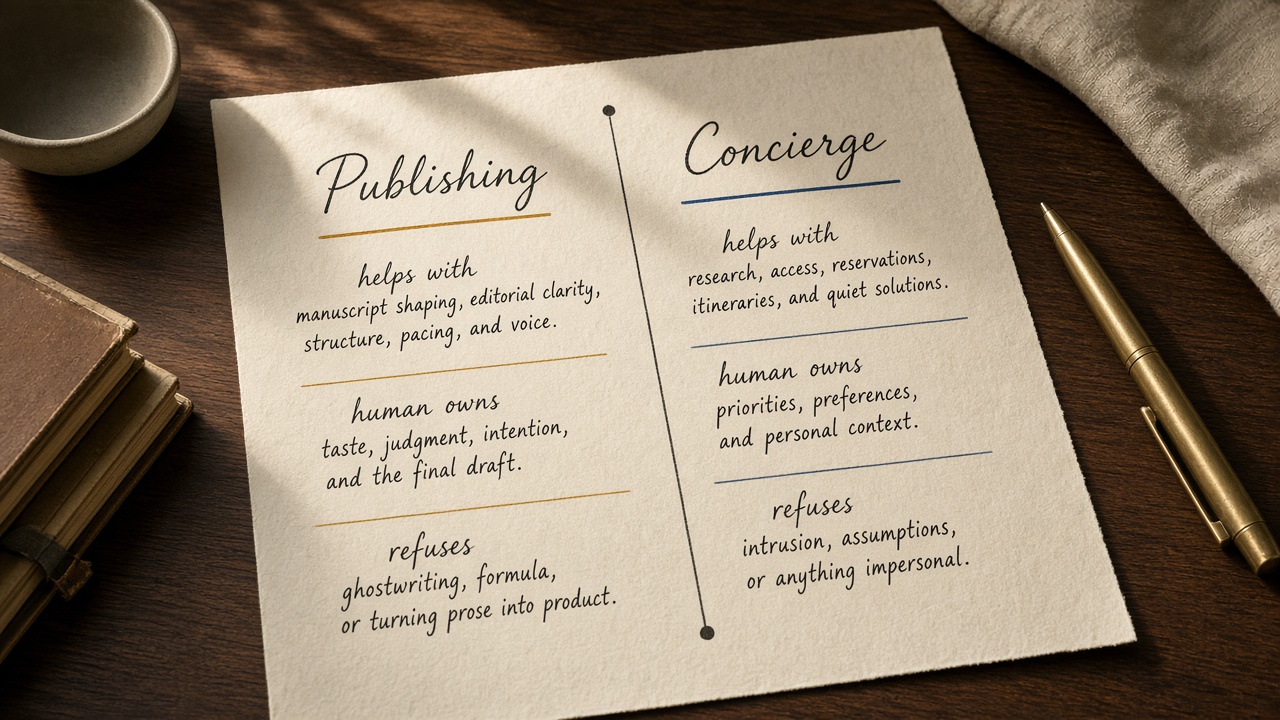
What Can Flows Help With? A Product Map for Publishing and Concierge
A copyable two-job map the on-site assistant can cite instead of guessing.
Measurement
25 Articles
A Content Operations Dashboard You Can Keep in a Spreadsheet
A weekly item log with snapshot rules, not a traffic wall you will never open.

Throughput vs Quality: The Two Numbers an Autoblog Must Report Together
A publishable count means nothing until a quality-floor number sits on the same line.

Content Ops Metrics That Survive a One-Person Review
Count the machine on the draft in one sitting—not from a dashboard you will never open.
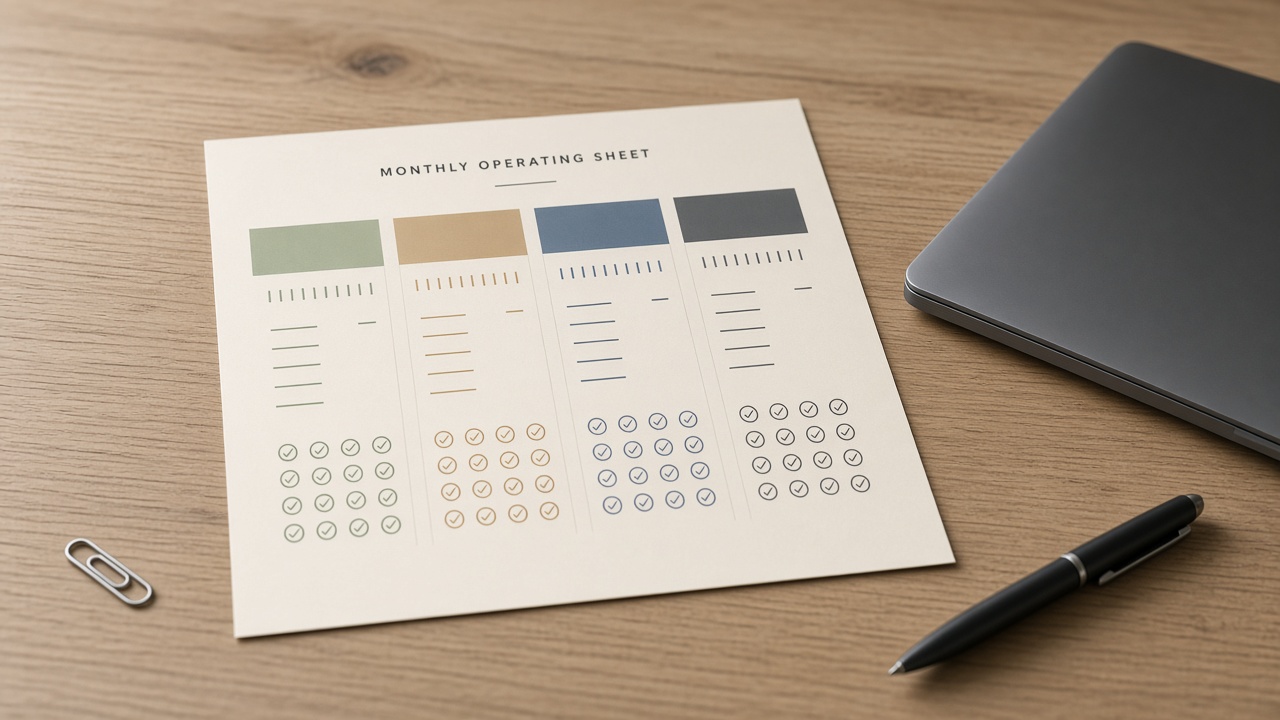
Content Operations KPIs: The Monthly Sheet for Automated Publishing
The one-page operating sheet for a solo automated stack—throughput only beside a quality floor.

Citation Share of Voice: A Simple Score for Lean Content Teams
A fail-closed percentage from the citation log you already keep—one engine at a time.
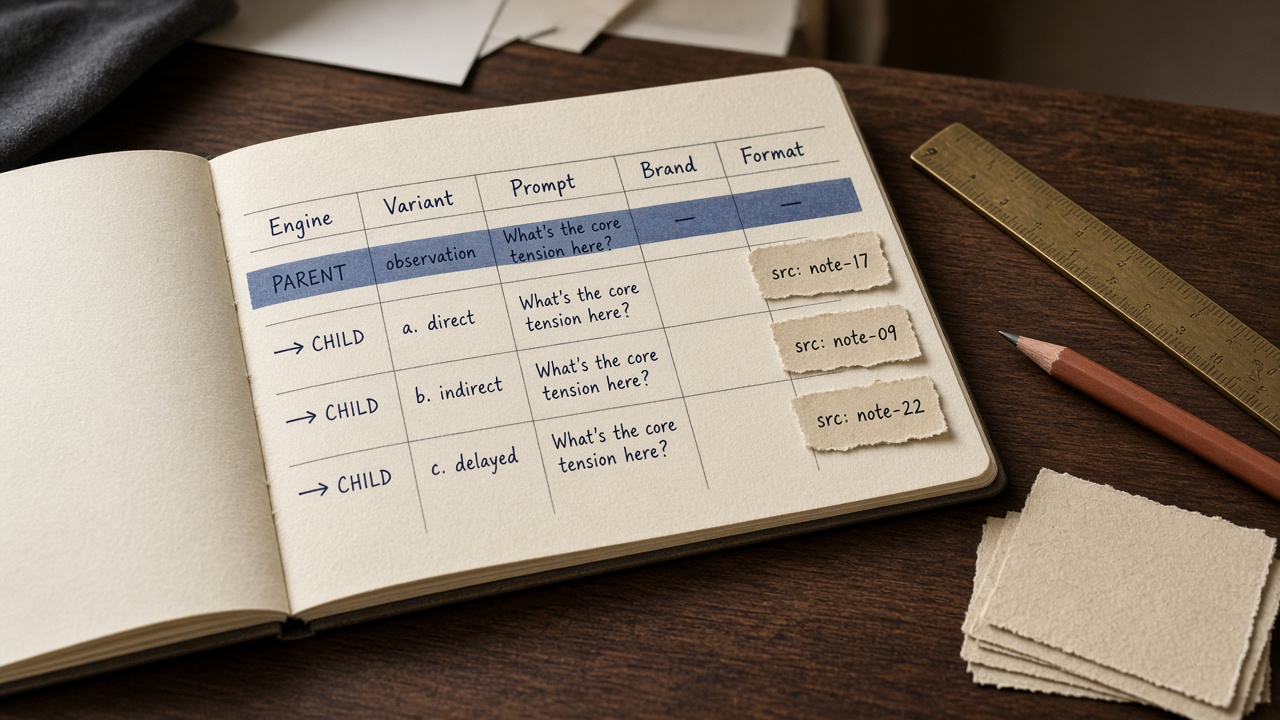
AI Citation Log Template: Fields to Capture Per Engine
One observation row per run, a child row per URL, and no rate until the sample can carry it.
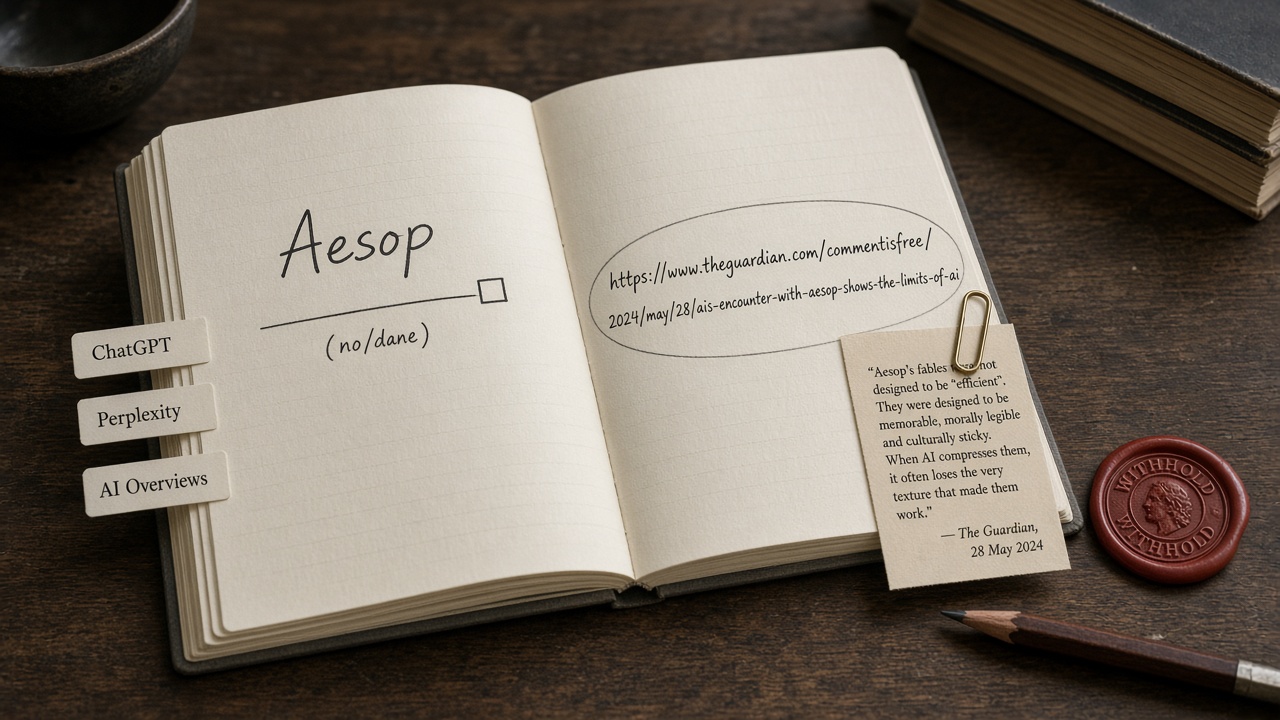
AI Citation Tracking: How to Log Who Quotes Your Pages
An append-only, engine-split log that keeps the name apart from the link and withholds a rate until the sample can carry it.

How to Export Search Console Queries Into a Brief Queue
The smallest pipe that still carries a join key, then a fail-closed landing for every row.
Publishing
9 Articles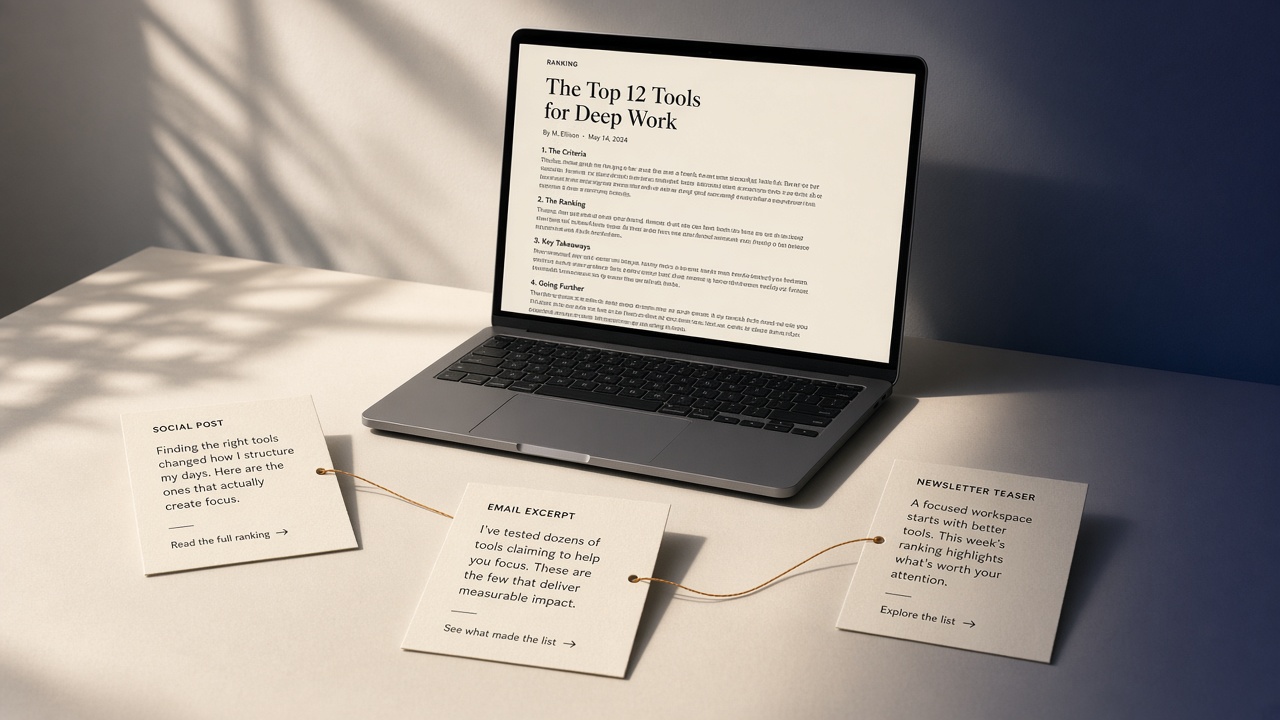
Repurpose a Ranking Page for Email and Social Without a Second SEO URL
Send hooks and excerpts to email and social. Leave the complete answer on the ranking URL.

When Autoblogging Creates Cannibalization: A Hold Rule Before the Next Brief
Freeze the next URL unless its intent lock is structurally different from a named owner.

Indexing SLA: How Long to Wait Before a New Article Is a Hold, Not a Failure
A fail-closed clock: live 200 first, Search Console before a second ping, hold until the status says otherwise.

IndexNow and Fast Indexing: What Automated Publishers Should Ping After Publish
A fail-closed ping contract: what to send after the publish gate, what to refuse, and what Google still will not take.
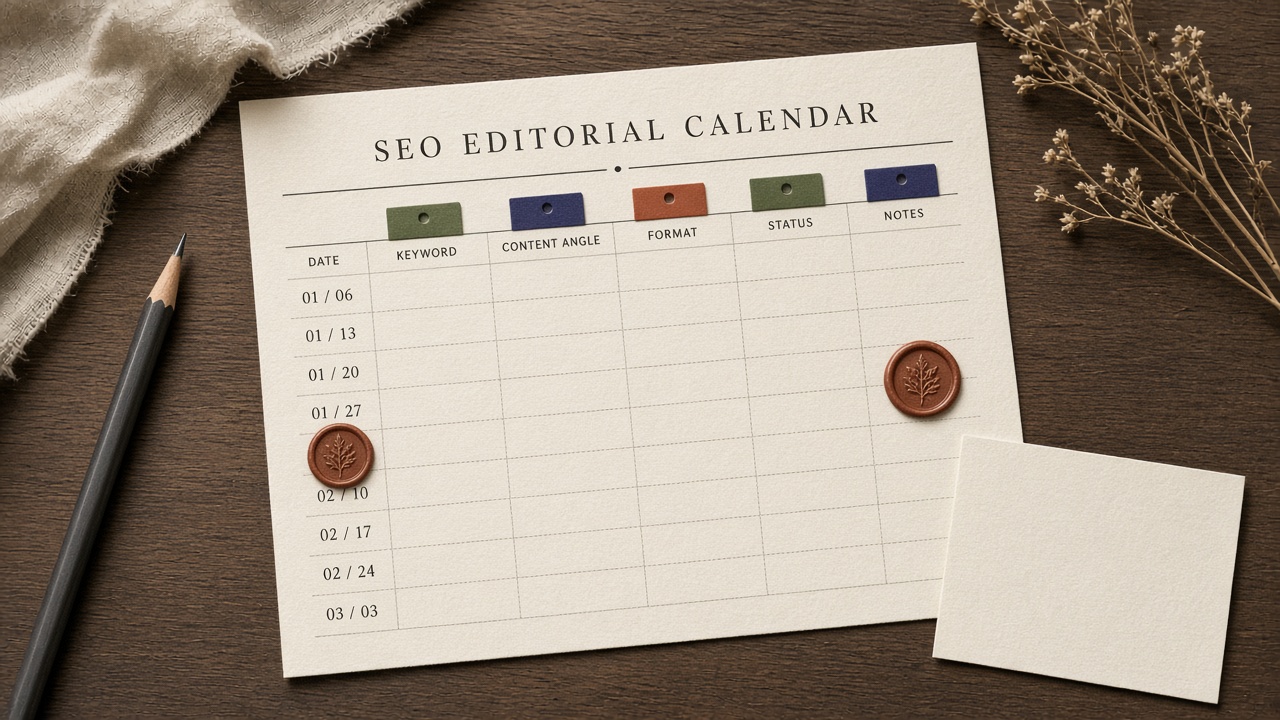
What to Track in an SEO Editorial Calendar Besides Publish Dates
A fail-closed field ledger: lock a date only after the row can say why the URL exists.

Brief Queue vs Editorial Calendar: Which Artifact Prevents Bottlenecks
Stop filling dates. Find the stuck stage, then use the queue or the calendar for that job only.

Editorial Calendar Software vs a Brief Queue: What Lean Teams Actually Need
A buy-or-refuse rule: keep the brief queue as the record, and pay for a calendar only when handoffs stall.
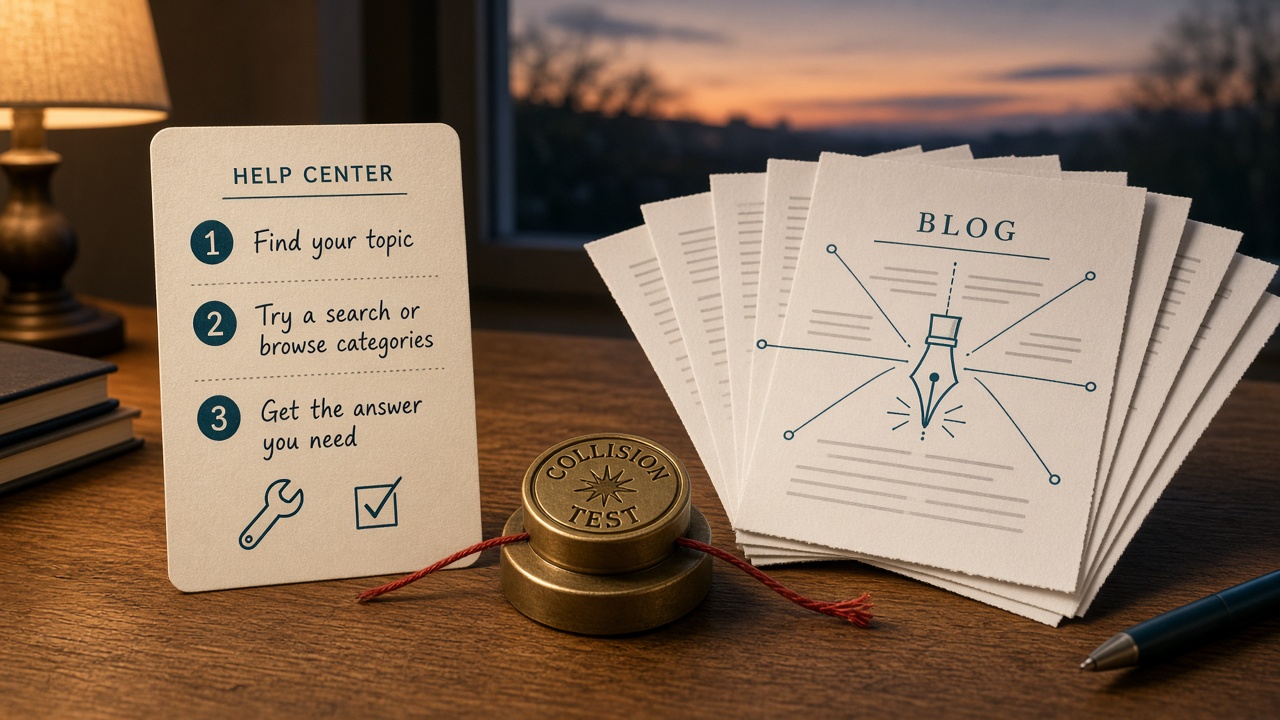
How to Brief Help Center Pages Without Duplicating the Blog Cluster
A fail-closed task brief: collision-test the live cluster, then commission only a page your concierge can cite.
Quality
1 Article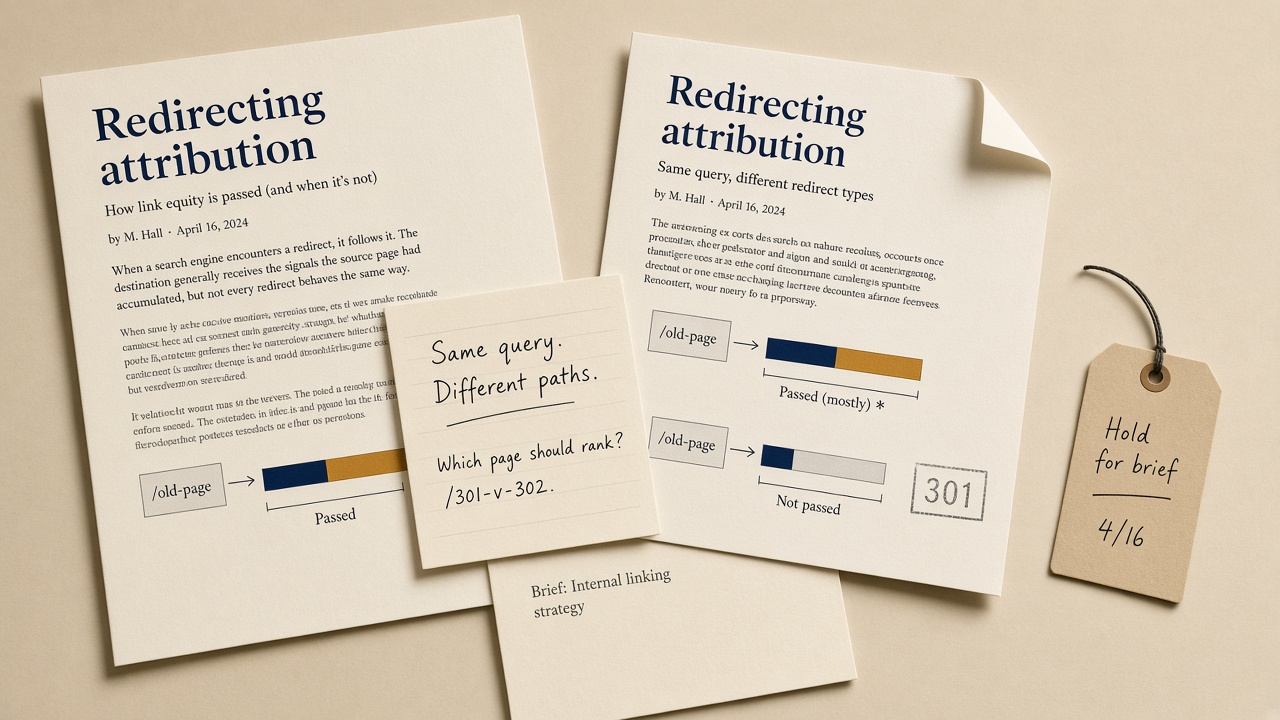
Strategy
15 Articles
Content Pruning: When to Noindex, Redirect, or Delete Pages That Are Not Compounding
A fail-closed disposal card: hold, noindex, 301, or delete only after purpose, links, and a close replacement are checked.

Content Gap vs Keyword Gap: Which One Becomes a Brief
A fail-closed gate: the keyword export is evidence, and a new brief is the exception.

How Many Pillars a New Domain Should Own Before It Chases Volume
Finish one commercially relevant pillar before a second subject or a volume chase.
Entity SEO for Publishers: What to Name on the Page So Engines Can Cite It
One salient noun per URL—matched in the H1, first sentence, and schema—so lean sites get cited.
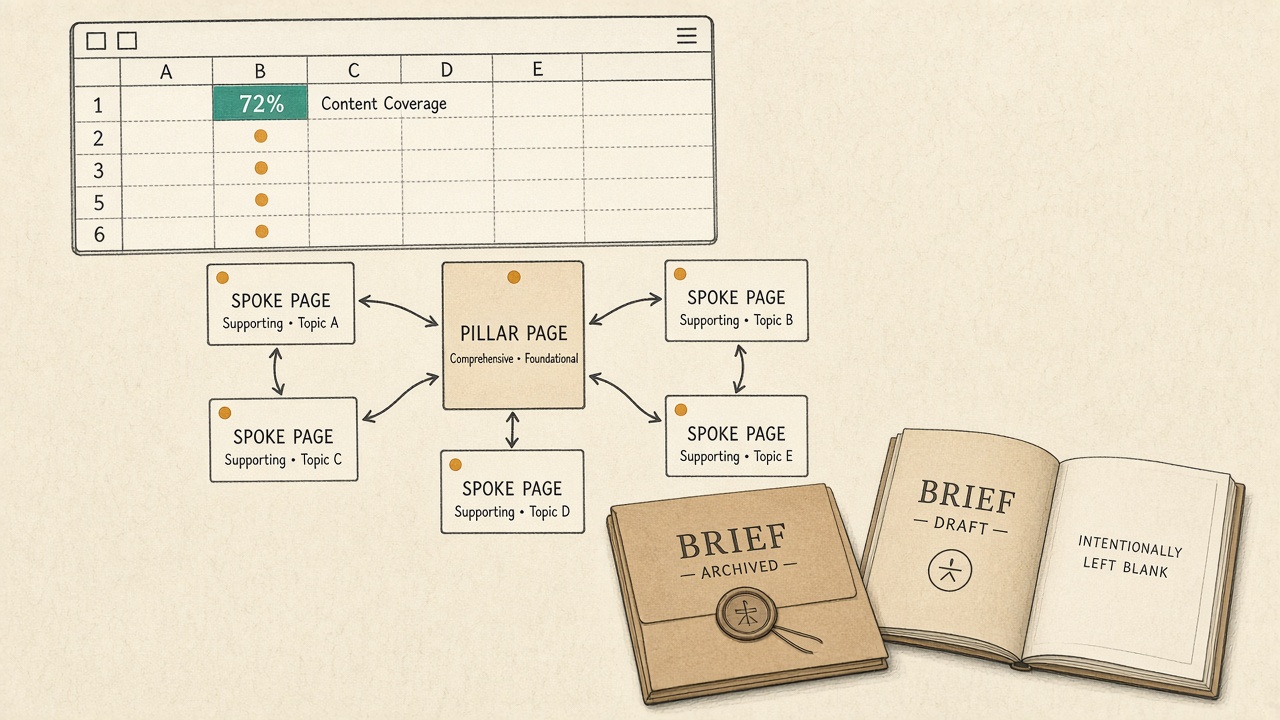
Topical Coverage Score: A Spreadsheet Check Before You Open Another Cluster
A fail-closed sheet for one live cluster: score unique intents, then refuse the next subject until coverage, index status, and pillar links clear.

Topical Authority for a New Site: How Lean Teams Compound Trust Without a Link Budget
Finish one subject, score the cluster, and refuse anything that widens the site.
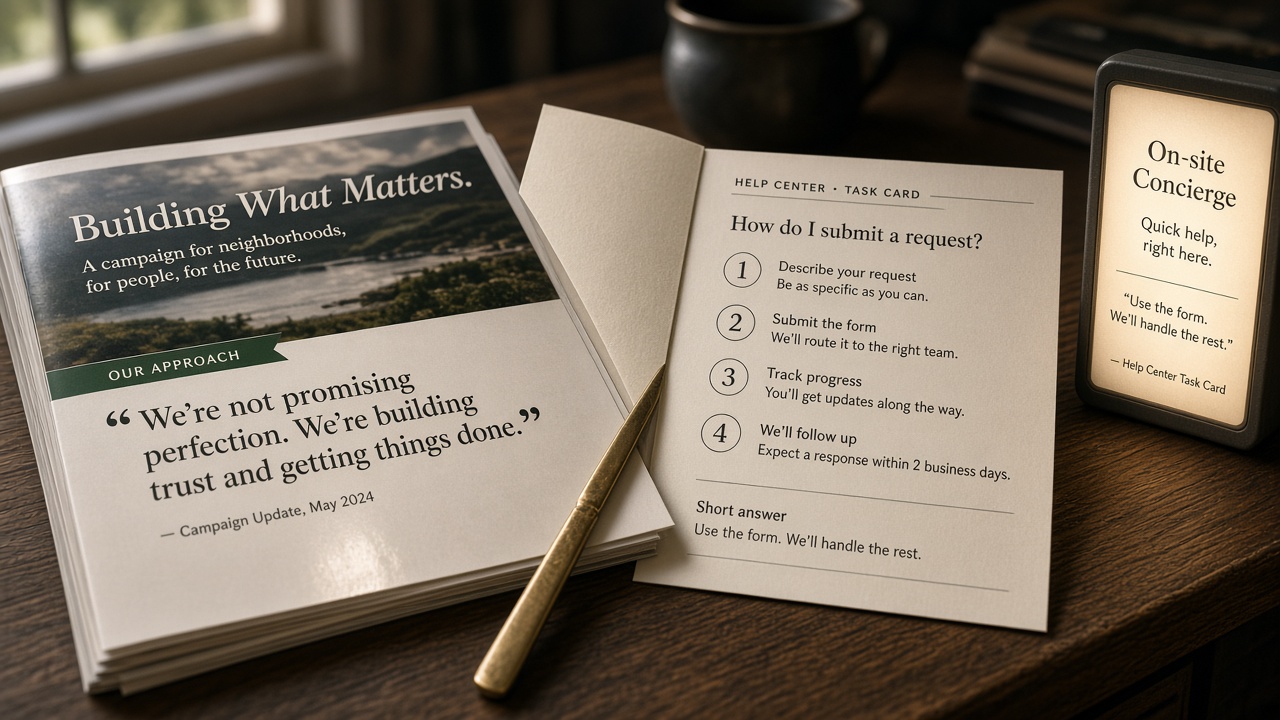
Blog Post to Help Center Article: When Repurposing Helps the Concierge
Extract a citeable how-to only when the concierge needs a task page the blog should not own.

Merge, Redirect, or Canonical: A Decision Rule for Overlapping SEO URLs
A refuse-first rule once overlap is already confirmed: retire, keep a live near-duplicate, or hold
Templates
3 Articles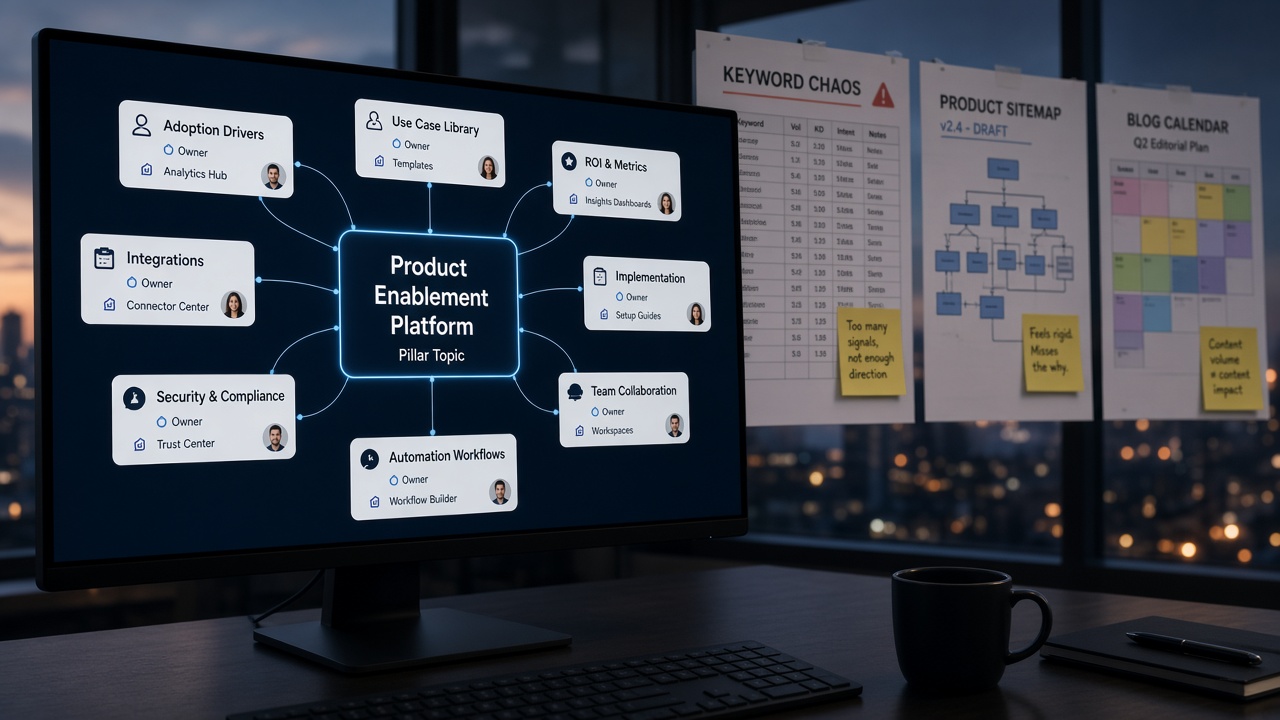
Topic Cluster Map Template for SaaS Content Teams
A reusable cluster map SaaS teams can fill once—then turn into briefs, links, and a publishing queue.
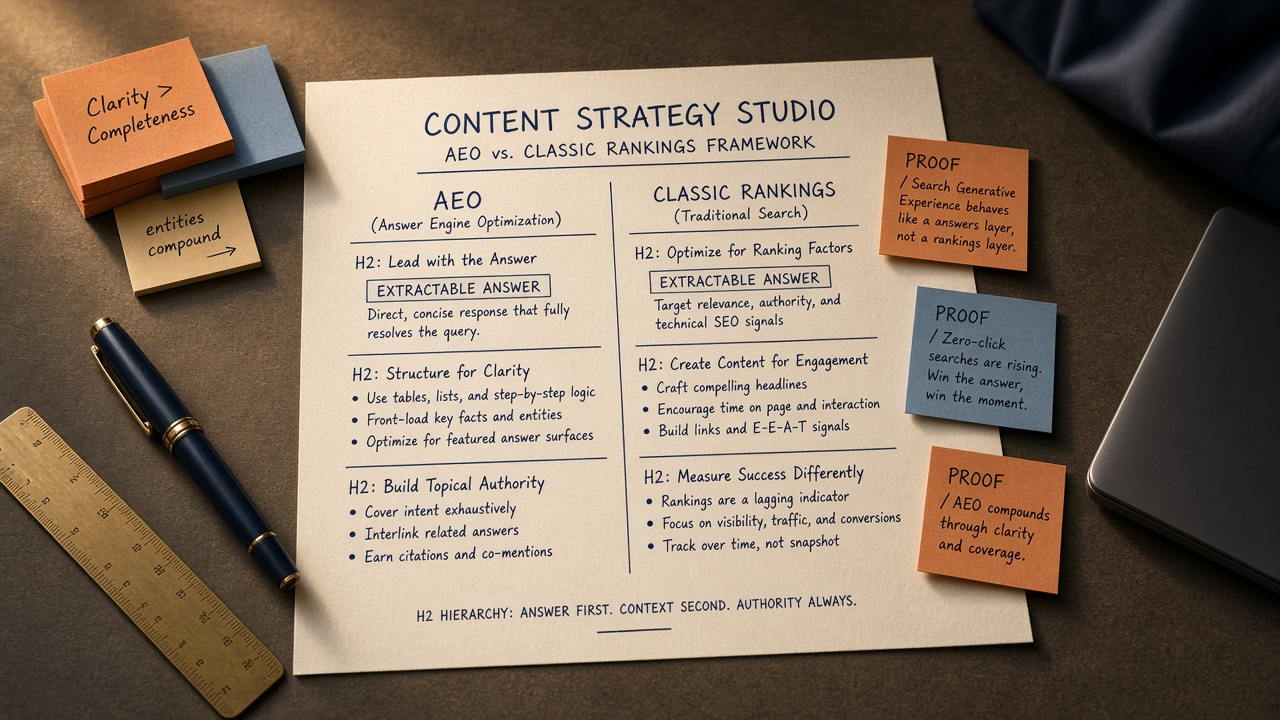
SEO Article Outline Template for AEO and Classic Rankings
One dual-win outline contract: extractable answers for citations, original proof for classic rankings.

Internal Linking Rules for Programmatic SEO Pages
Encode parent, sibling, and contextual links in the template—then gate money pages so scale does not become doorway mesh.
Workflows
17 Articles
When a Long-Tail Keyword Is Too Thin to Brief
A fail-closed test for brief, fold, or refuse—before a thin long-tail becomes a URL.
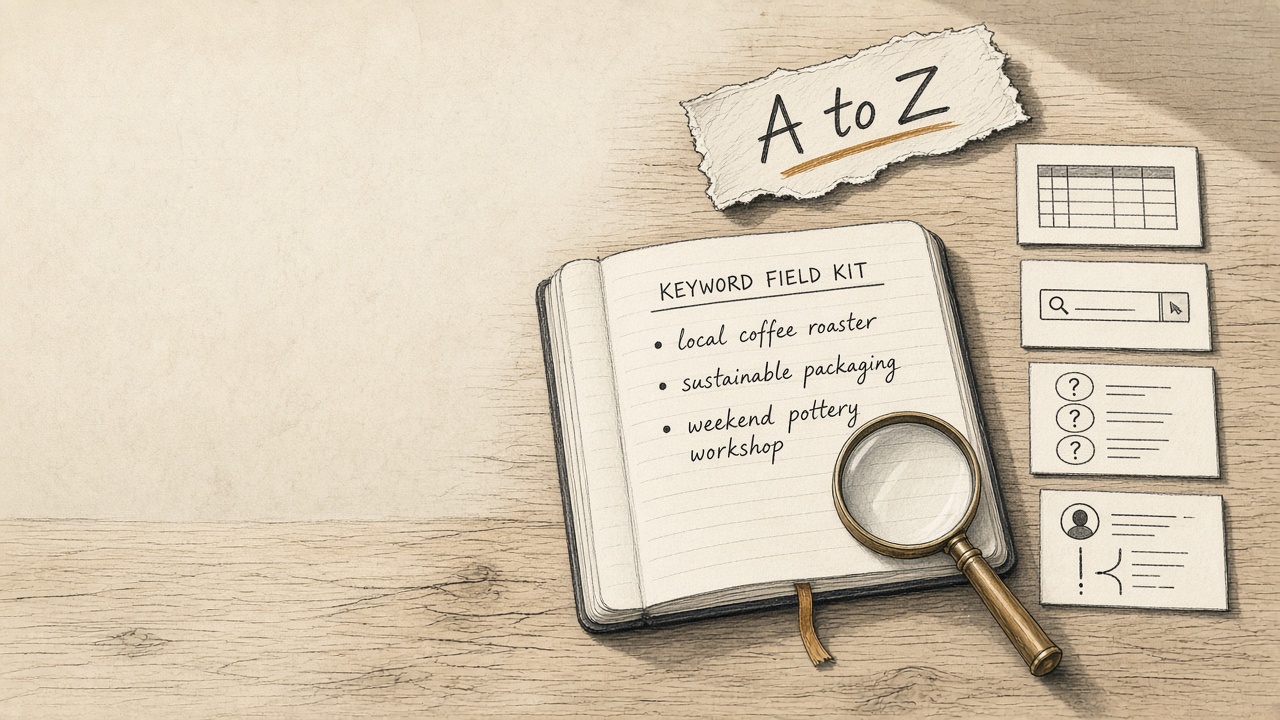
How to Find Long-Tail Keywords Without a Big Research Stack
A free field kit: harvest specific queries, collision-test the live SERP, and stop before thin pages.

Who Signs Off an Automated Article? Roles for Lean Teams
One named human per gate. Silence, a score, and a missing source pack are holds—not permission to publish.

Fact-Check Workflow for AI SEO Drafts
Extract every material claim, prove the source supports the sentence, and hold the draft if it does not.
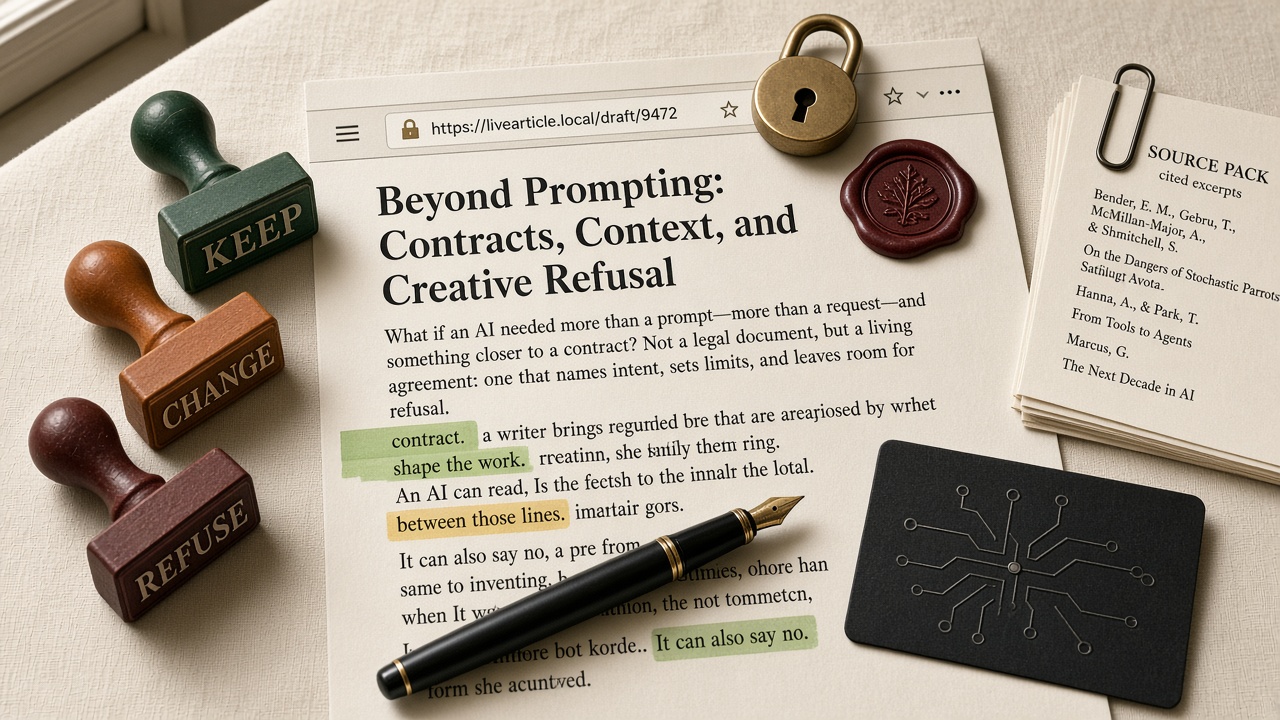
How to Brief a Content Refresh for Writers and AI
A keep, change, and refuse contract for the URL you already rank with

Content Refresh Calendar: When to Update vs When to Brief a New Page
A fail-closed gate that keeps the date empty until the slot is a same-URL update or a justified new brief.

SEO Content Calendar Template for a One-Person Publishing Stack
A single fail-closed sheet for solo operators—dates stay open until the row is actually ready to ship.
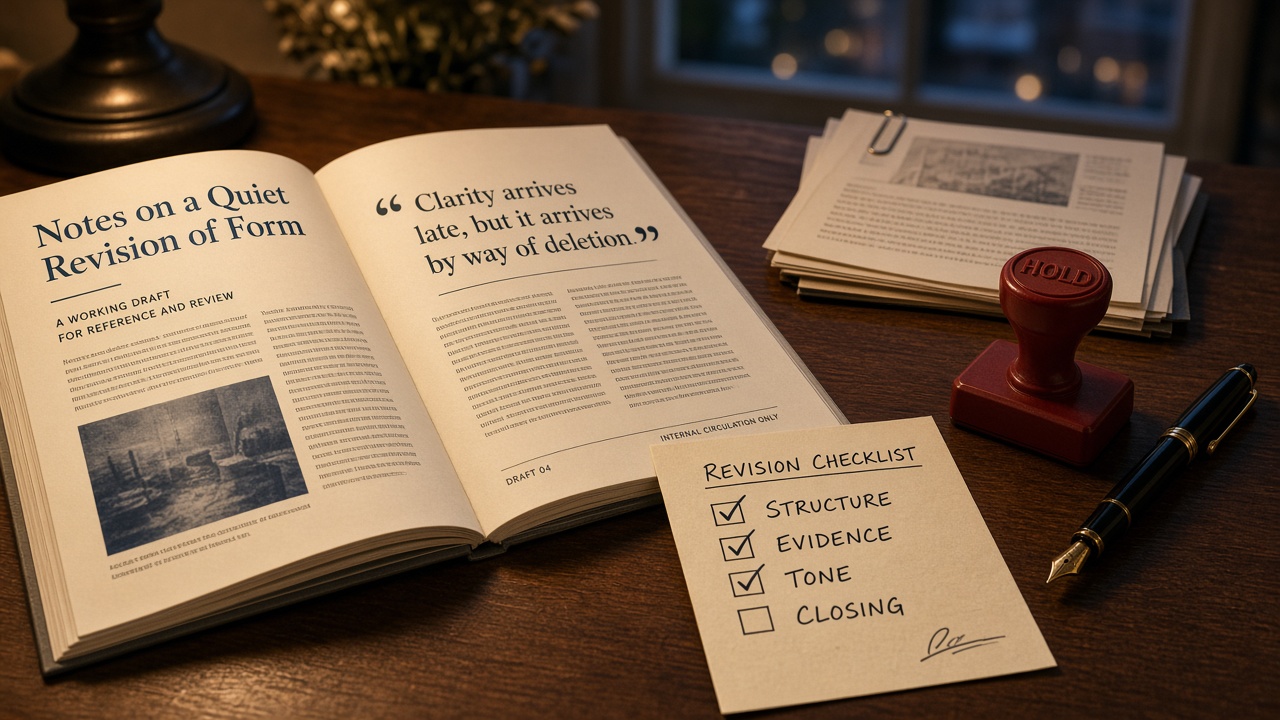
Content QA for AI Drafts: The Review Checklist Before You Hit Publish
A fail-closed review for lean publishers: sourced claims, real information gain, and a person who can say hold.
Stay Updated
Stay up to date with everything AI and automation