How to Add Citation-Ready Answers Without Keyword Stuffing
Readers and answer engines want the same thing at the top of a section: a clear claim they can quote without hunting through filler. Answer engine optimization is the practice of becoming that cited source—in AI Overviews, ChatGPT-style answers, and similar systems—while Google still ranks the page as useful, not stuffed. Keyword stuffing remains spam whether it lives in titles, body copy, or numbered lists. AI Overviews and AI Mode still depend on ranking systems plus a query fan-out that retrieves supporting pages, so an extractable sentence only helps if the page is eligible and genuinely helpful. Distinctive, sourceable answers travel further than clones that repeat the same phrase in every H2. This article treats citation-ready writing as a sentence-level contract: one question heading, one short self-contained answer, then evidence that a human would actually read. Internal links should send those blocks to related briefs and outlines—not recycle the same keyword as anchor text.
- Google still treats repeated phrases in titles, body copy, and lists as stuffing, not optimization.
- AEO means earning mentions as the cited source in AI answers, not packing density into every heading.
- Extractable answers work when they are short, self-contained, entity-clear, and backed by original proof.
- AI systems retrieve supporting pages through ranking plus query fan-out, so usefulness still gates citation.
- A practical pattern is question heading, 40–60 word answer, then evidence—without repeating the primary keyword in every sentence.
Why Keyword Stuffing Still Fails Answer Engines
Answer engines quote a block because it is the cleanest statement of a claim, not because a phrase appears often enough to look important. When titles, body copy, and lists all loop the same wording, the extract is interchangeable with every other page on the query. There is nothing distinctive to cite, so the system can skip the page without losing an answer.
Citation-ready answers earn a mention when each block is short, self-contained, entity-clear, and backed by original proof. Scaled drafts fail that test when they pad density instead of answering one question per block. For the fuller system of how citations are earned across engines, use the existing AEO playbook on this site rather than restating it here; this piece stays on the writing pattern that keeps those answers citation-ready without stuffing.
AEO vs stuffing — Repeated keywords make pages look interchangeable, so there is nothing distinctive to cite. Proof-backed answers give an engine a reason to pick you.
The one-block recipe: question, standalone answer, proof
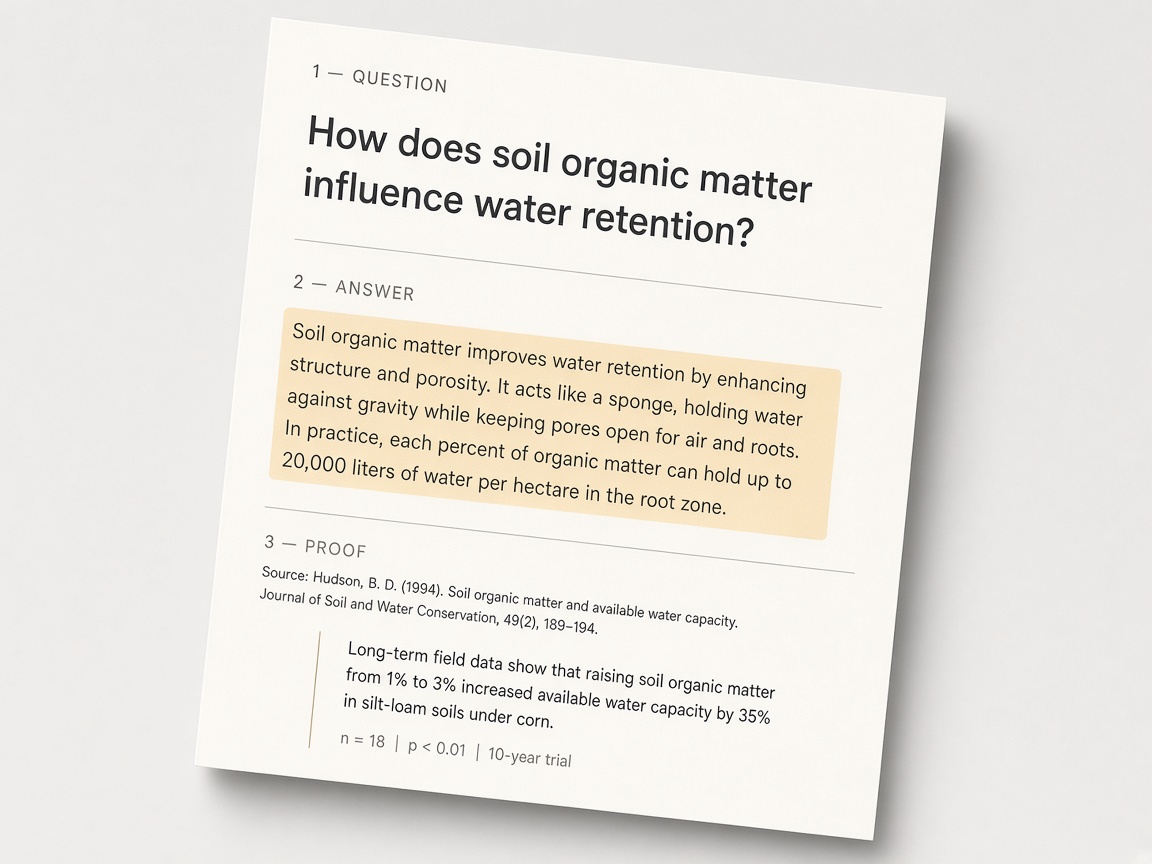
From that setup, the work is not more density—it is one extractable block that can be quoted without the rest of the page. Match how a reader or an engine would actually ask, then answer in a short paragraph that still makes sense if it is lifted on its own. Name the entity, state the claim, and stop. That unit is what answer engines can cite.
Immediately after that answer, put original proof—not another restatement of the target phrase. A method, a worked example, a constraint you actually measured, or a step you can defend is what earns the click and the mention. Name the topic once so the block is entity-clear, then write in ordinary language. Adjacent guides cover the full citation stack and chatbot checklists; this section stays on how to assemble the block itself.
How the block is built
- Open with a heading that sounds like a real question, not a keyword list.
- Answer in 40–60 words that stand alone if quoted, with the entity named clearly once.
- Follow with proof, numbers you own, examples, or method—never a second pass at the same phrase.
- Link that block to related AEO, brief, and outline pieces with descriptive anchors, not repeated keywords.
That pattern is the dual-win contract at article level: an extractable answer engines can lift, plus proof that still rewards a visit. Keep each block short, self-contained, and sourced from work only you can show—then the next job is keeping entities clear without cycling the same wording.
The block — One question heading, a short standalone answer, then original proof—name the topic once and never paste the keyword through every sentence.
Keep entities clear without repeating the money phrase
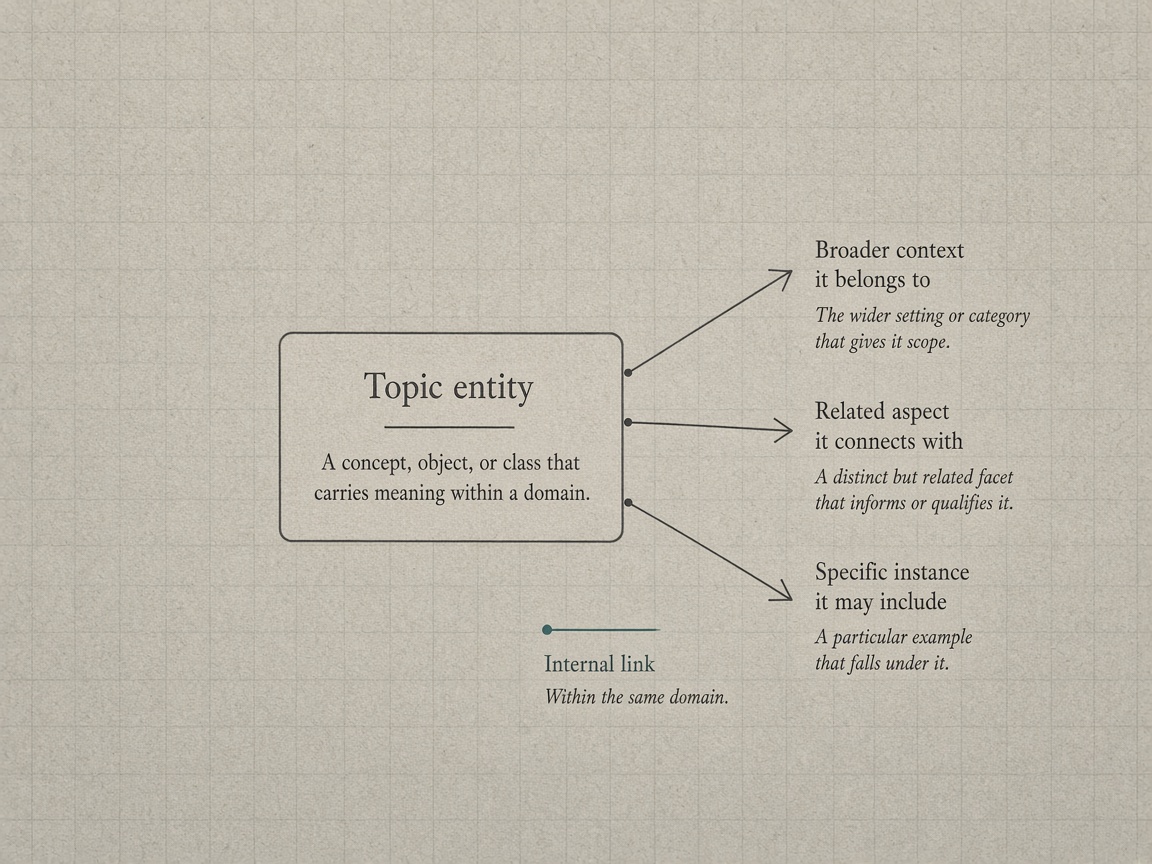
That recipe only works if the block stays entity-clear on first read. Name who or what the claim is about, state the claim, and stop. Repeating the money phrase in every sentence does not make the entity sharper; it blurs it. A pronoun, a product name, or a method label is enough once the reader already knows the subject.
One precise definition beats density padding. If the block is about how citation-ready copy is written, say what that copy is—short, self-contained, proof-backed—then move to the proof. Do not restate the same search phrase in the heading, the first sentence, and the list that follows. Engines and people both treat that pattern as filler, not as a clearer answer.
Link to the destination, not the keyword
Anchor text should describe where the reader is going. Point a citation block to the AEO playbook, an AI Overview writing contract, or a GEO definition—not a string of identical “answer engine optimization” links. Stuffed twins of the same heading do not give an engine a reason to pick you as the supporting source.
Entity first — Name the entity once, define it once, and let proof and descriptive links carry the rest—clarity, not keyword density, is what makes a block extractable.
A pre-publish gate that stops scaled drafts from stuffing
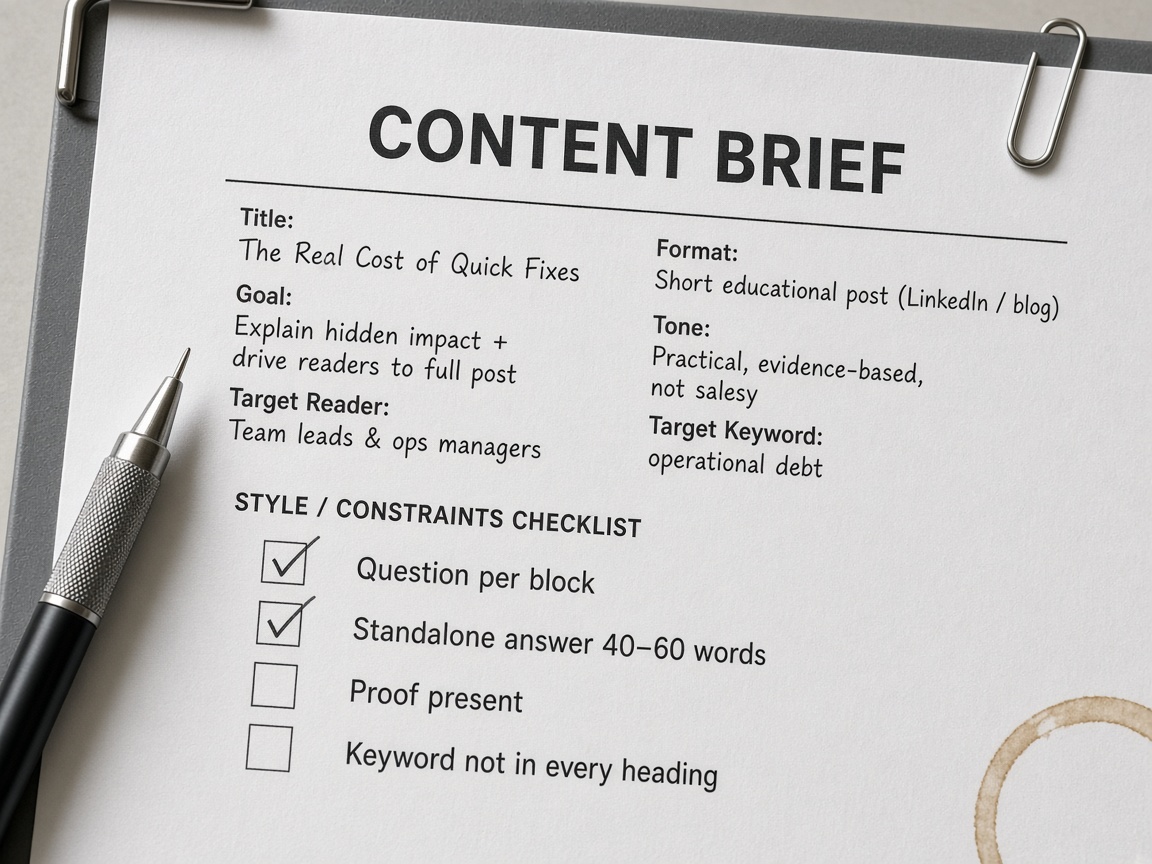
That is why a last pass before you hit publish matters more than another round of synonym swaps. The gate is simple: if a crawler or an answer engine cannot lift a clean claim, the page is not citation-ready—no matter how often the money phrase appears.
Once the gate lives in the brief and the generation rules, automation has a fail condition it can apply: cloned headings, non-quotable openings, and keyword-as-density all get rejected before publish. What ships is the block you already designed, not a stuffed twin of the same query.
Publish only citation-ready blocks — Scale the recipe—one question, one standalone answer, one proof—through briefs and automation, and fail any draft that treats the primary keyword as a density trick.
Key Takeaways
Open your next draft and run the pre-publish gate so every heading earns a citation-ready answer instead of another stuffed keyword.
Frequently Asked Questions
You Might Also Like
- AEO Answer Engine Optimization (AEO): How to Get Cited by AI Search
- AEO How to Write SEO Articles That Survive AI Overviews
- AEO How to Get Cited by ChatGPT: A Practical Visibility Checklist
- Templates SEO Article Outline Template for AEO and Classic Rankings
- Automation Automated Blog Posts: Quality Guardrails That Prevent Thin Content