AI Citation Log Template: Fields to Capture Per Engine
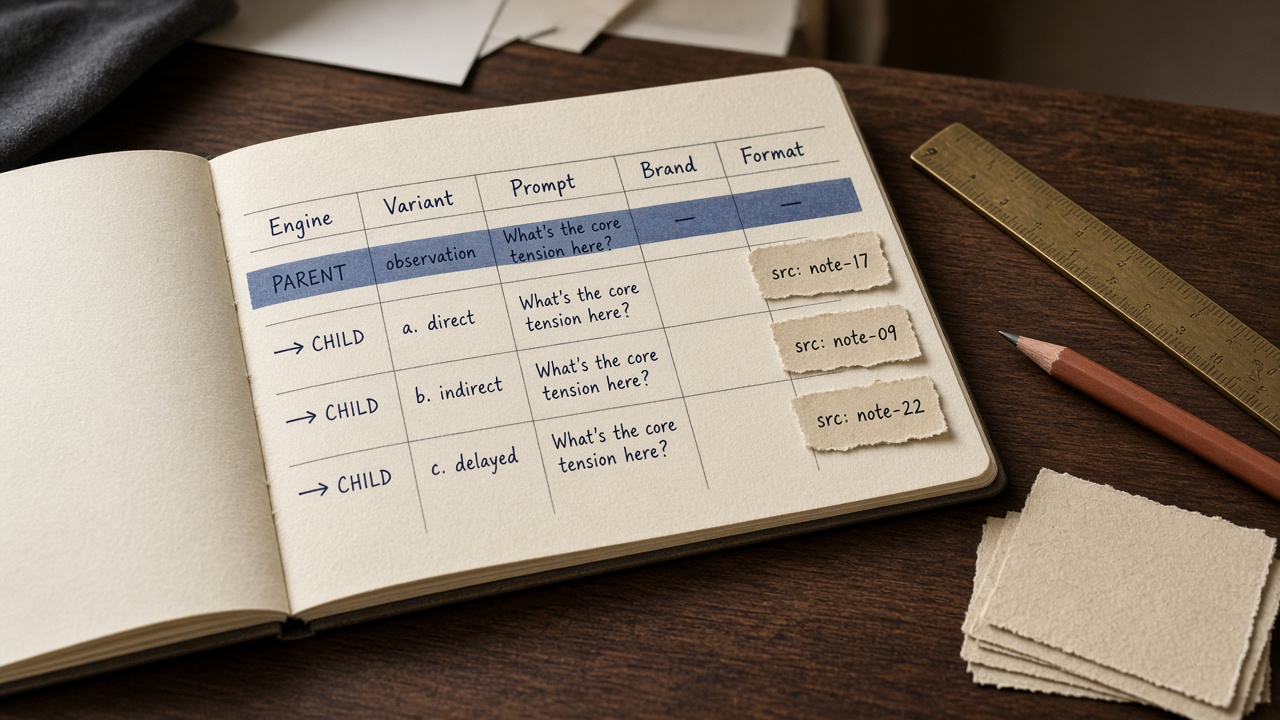
A name in an answer and a link under that answer are not the same event. Teams still collapse them into one “AI visibility” score, then blend ChatGPT with Gemini and treat a single run as a rate. The log that survives that mistake is boring on purpose: one observation row per prompt, engine variant, region, language, and run, and a child row for every URL that run actually showed.
The split is not a formatting preference. In a June 2026 Semrush study with Kevin Indig of 3,981 domain appearances, only 13.2% were both a brand name and a citation; 61.7% were citations with no brand name. Engine behavior inverted in the same set: Gemini named brands in 83.7% of appearances but cited sources in 21.4%, while ChatGPT named brands 20.7% of the time and cited sources 87%. A yes/no “appeared” field, or a blended engine score, erases the thing you are trying to measure.
A run that names nobody and links nothing still gets a row. So does the citation format the engine actually showed — a pill, a numbered footnote, a source card, grounding metadata, a superscript — because a binary link flag hides how the source was presented. Rates wait. A single capture recovered only 49.6% of the cited domains that five captures of the same prompt found; three repeats recovered 83.1% of that set. A rate you would compare week to week needs on the order of 100 runs per engine per prompt for about ±10 points. The sections that follow specify the fields, the child-row rule, and the sample you refuse to outrun.
- Log one observation per prompt, engine variant, region, language, and run, including empty answers.
- Store each cited URL on a child row, and keep brand mentioned separate from URL cited.
- Record the citation format the engine showed, not a yes/no link flag.
- Do not blend engines: mention and citation rates invert between Gemini and ChatGPT.
- Withhold a citation rate until the sample can carry a week-to-week comparison.
Which Fields Belong on an AI Citation Log Template
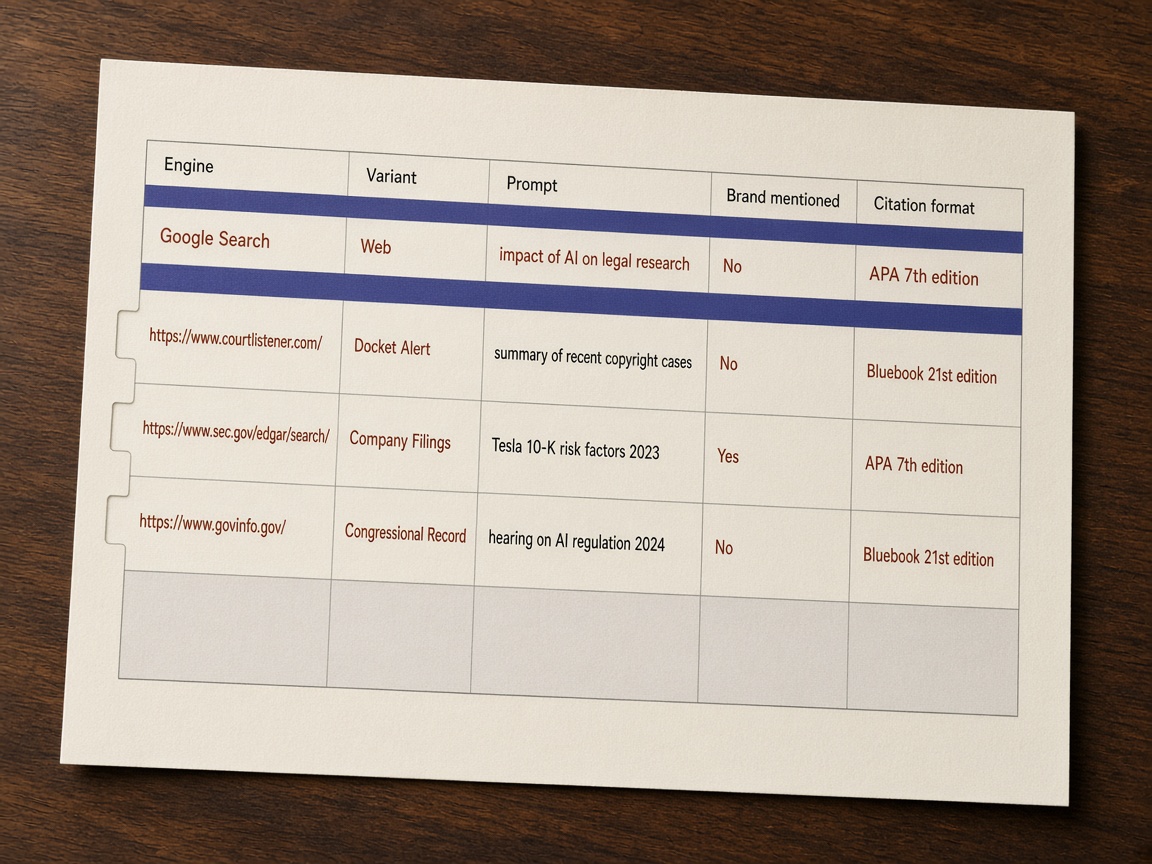
The template works when each run is one observation and each cited URL is a child row. Capture date, engine, variant, exact prompt, a stable query hash, query category, brand mentioned yes or no, citation format, position, sentiment, and competitors. A yes/no cell for the URL is not a substitute for a child row.
Log query category on the observation. Comparative prompts mention brands far more often than informational ones—43.3% against 18%—while informational prompts cite sources most, at 89.3%. Without that field, those two patterns read as one engine moving.
Fixed names — An assistant can keep citing the log only when observation grain, child URL rows, and those field names stay stable.
Should a Brand Mention and a Source URL Be Separate Columns?
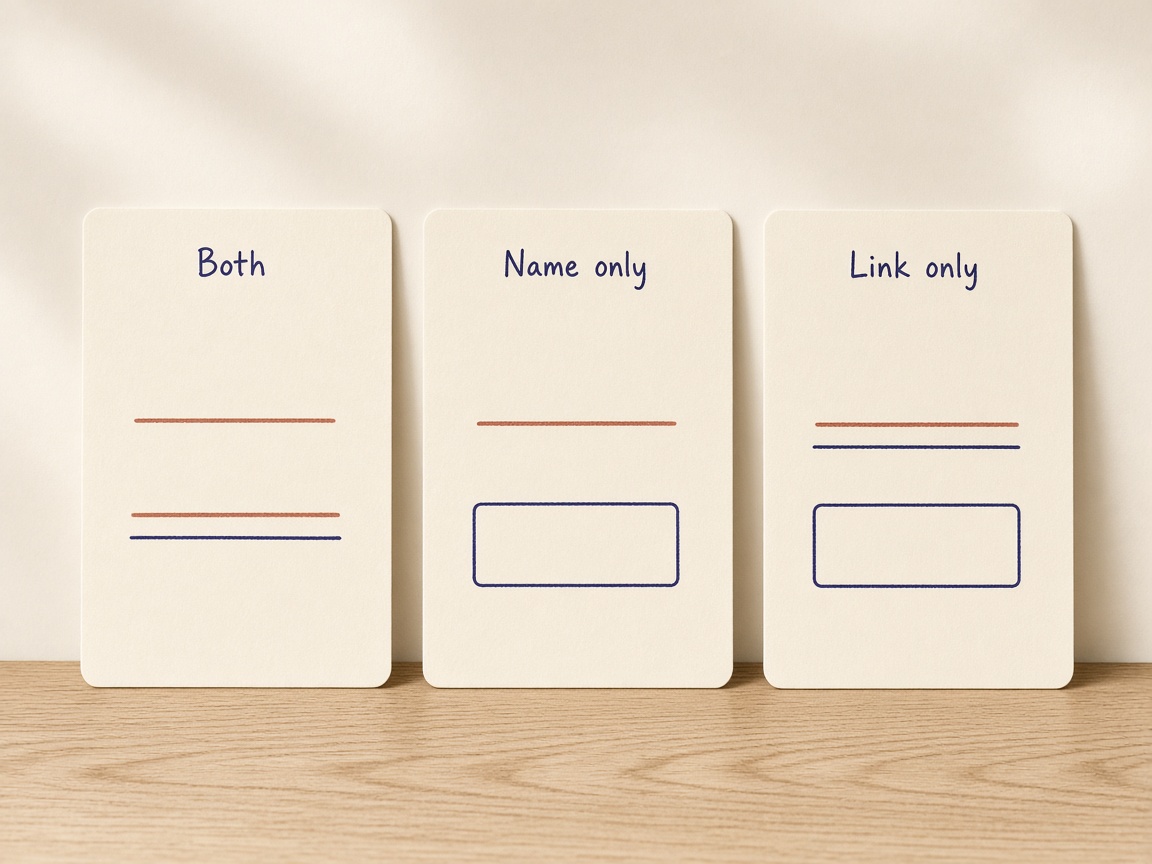
Yes. Those columns only work if a brand mention and a source URL stay apart. A practical mention log uses one row per prompt, platform, and date, with separate binaries: brand mentioned, yes or no, and citation, yes only when a clickable link is present.
They rarely land together. In a June 2026 Semrush study with Kevin Indig of 3,981 domain appearances across 115 prompts and 14 countries, only 13.2% were both. Of those appearances, 61.7% were citations with no brand name, and 25.1% were mentions with no citation. One blended “AI visibility” cell averages two signals and hides which one you actually saw.
A run that names your brand and links nothing is still an observation. Set brand mentioned to yes and leave the child URL table empty. Do not drop the run because nothing was clickable. A ghost citation is the reverse: a source link with no brand name. Capture it as a child URL row whose parent has brand mentioned set to no. Keep both binaries on the observation and the URL on the child row so a later pass can report either gap without guessing.
Keep them split — Log a mention with no link as brand mentioned yes and no child URL, and a ghost citation as a child URL whose parent has brand mentioned set to no — only 13.2% of 3,981 appearances were both.
Which Fields Change by Engine?
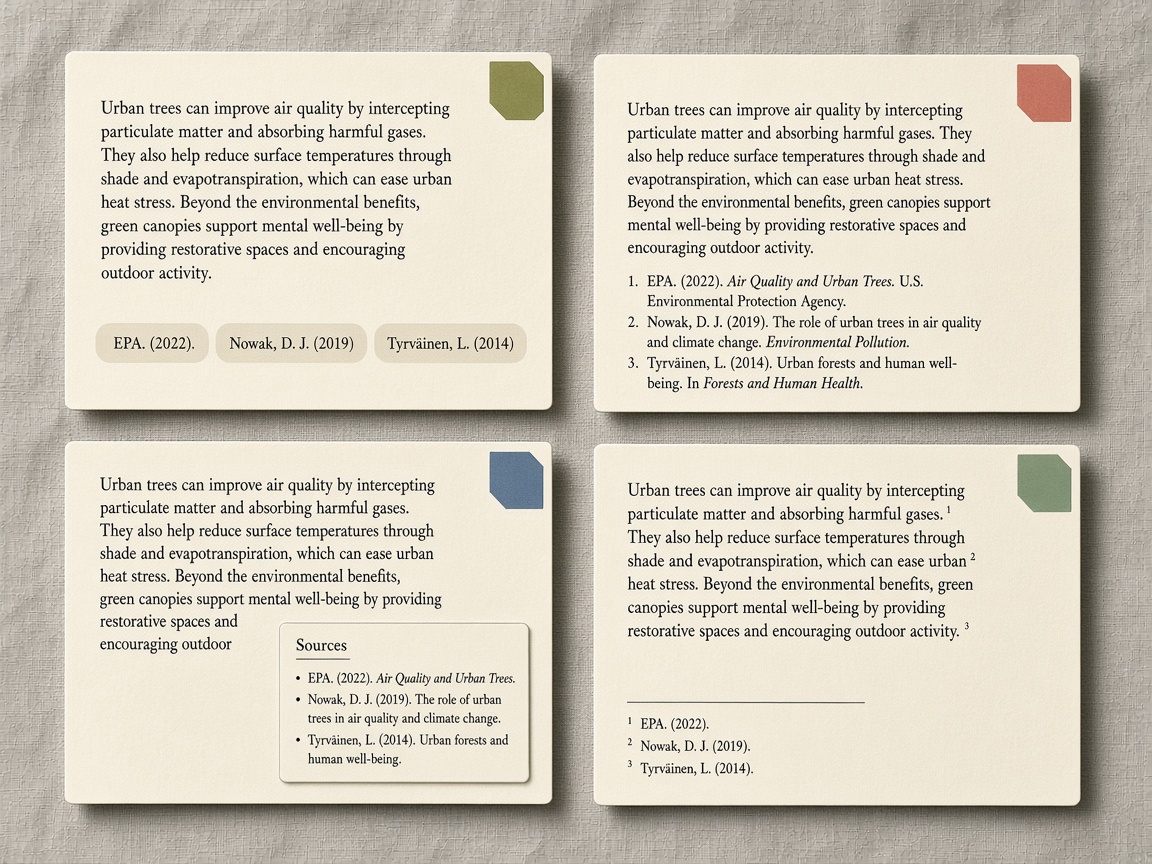
Engine, variant, and citation format are the fields that change—not a shared yes/no link cell. Do not blend engines. Gemini named brands in 83.7% of appearances but cited sources in only 21.4%; ChatGPT named brands 20.7% of the time and cited sources 87%. Across 34,234 responses, Superlines found citation rates differing by a factor of 615 across platforms.
Log the format the screen actually showed
- ChatGPT pills
- Perplexity numbered footnotes
- Google AI Overview source cards
- AI Mode inline markers
- Gemini grounding metadata
- Copilot superscripts
Yes—log ChatGPT browsing or Search as its own engine variant, and flag whether a web search ran. In the week of 12 October 2026, 96.7% of measured ChatGPT answers ran at least one search, and 80.3% of measured Google searches returned an AI Overview. Only 15% of cited domains appeared on both ChatGPT and Google AI Overviews, so an engine column you later average will invent a pattern neither engine has.
When Claude names a brand and shows no sources, record brand mentioned yes, citation format none, and zero child URL rows. Do not invent a link.
Don't blend engines — Keep each engine and mode on its own row, store the format actually shown, and treat a brand name with no sources as a mention—not a citation.
Search Use and Shared Citations
How Many Repeats Before You Publish a Citation Rate
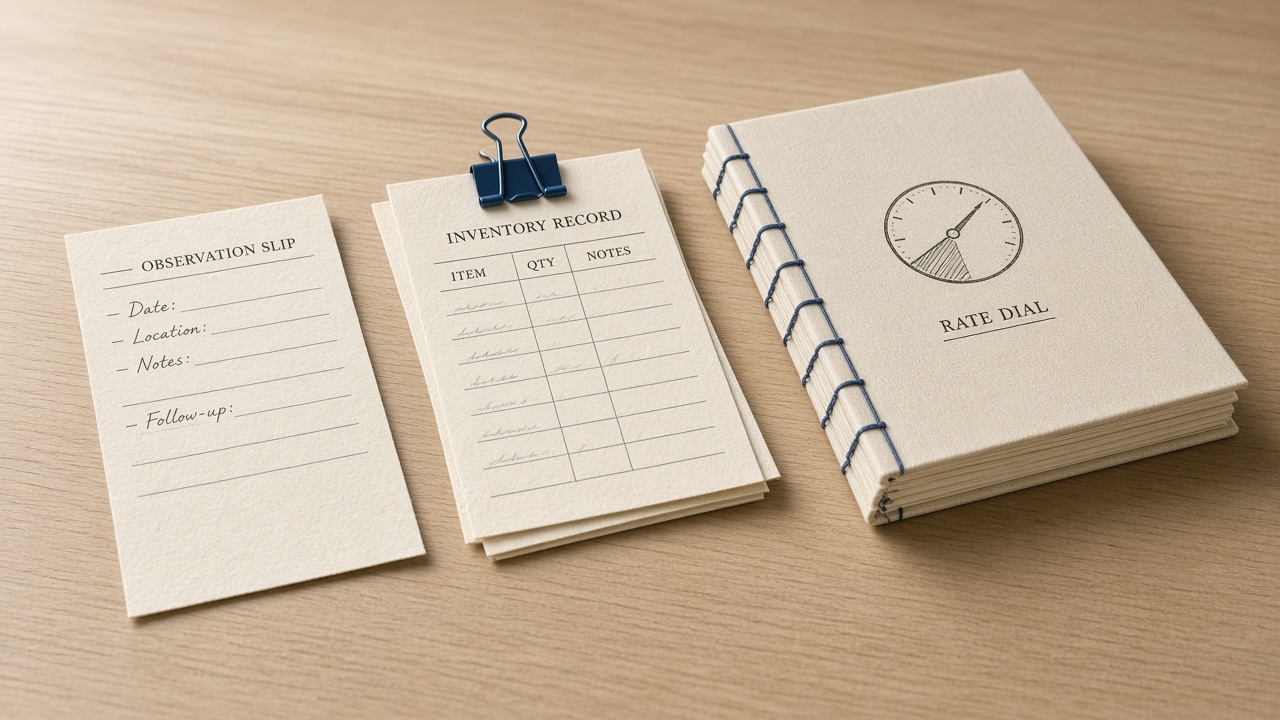
Refuse a citation rate until the sample can carry it. One capture recovered only 49.6% of the domains five captures of the same prompt found. Three repeats recovered 83.1% of that set, which is enough to inventory URLs, not to publish a rate you would compare week to week.
At an observed 40% appearance rate, five runs leave a 95% interval 65 points wide. About ±10 points takes roughly 100 runs per engine per prompt. A single test is nearly useless for a rate: recommendation lists repeat less than 1% of the time, and only 30% of brands keep visibility across consecutive answers.
Definition, mode, and week change what a citation figure means, so unlike measures should not be read as one rate. One large set put ChatGPT at 0.59% citing sources and Claude at 0%. A later week measured a mean of 37.1 sources on ChatGPT answers that cited at least one, up from 14.2. Stamp engine variant and date on every row so the rate, when you finally publish it, names the definition you measured.
Wait to publish — Hold the rate until the sample can carry it — on the order of 100 runs per engine per prompt — and never publish it without the variant and date that define what you measured.
Mean Sources per Citing Answer
How to Log Competitor URLs on the Same Prompt
Log each competitor URL on its own child row under the same observation, with the domain and a competitor flag—never several links in one cell. Own-site citations are rare: 98.6% of ChatGPT citations and 98.2% of AI Overview citations pointed at third-party sites, and 84% of AI citations in a large link study came from earned media. Record the URL that was quoted even when it sits outside the top organic results. More than half do: 59.6% of AI Overview citations have come from outside the top 20, and a typical result carries several links, about 7.2 in one large track.
A one-person spreadsheet stays workable under about 50 prompts. Fifteen to twenty queries across four platforms is a 2–4 hour session, so weekly runs for 4–6 weeks beat daily checks you cannot finish. Rerun the same set because answers and citations move between checks: ChatGPT returned a different source set on 93.3% of pairs twenty minutes apart, and AI Overview citations change about 46% of the time. Leave the audit rubric to the visibility-checker guide.
Separate rows — One cited URL per child row, competitor flag included, and weekly reruns—not a packed cell or a daily checklist you cannot finish.
Can Google Analytics or Server Logs Replace a Citation Log?
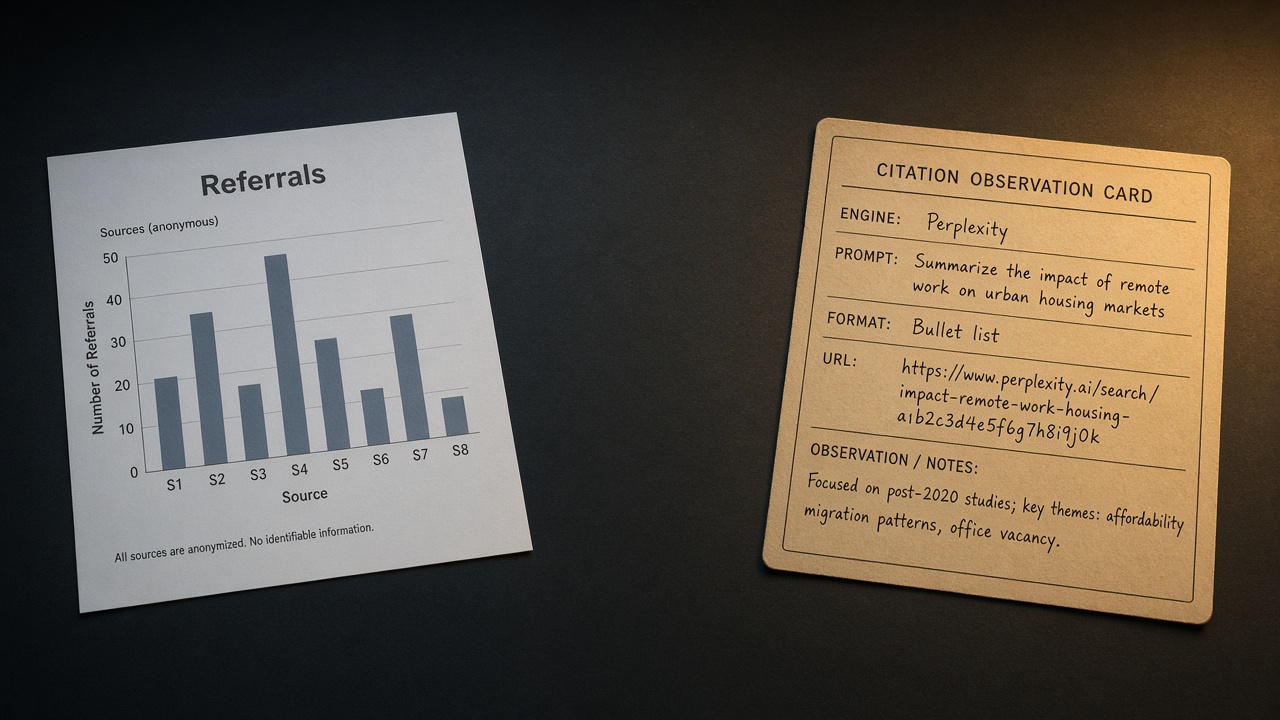
No. Google does not expose AI Overview impressions or citations in Search Console or GA4, and those clicks show up as ordinary google / organic traffic, mixed with every other Google visit. A ChatGPT Search referral is easier to see because it appends utm_source=chatgpt.com, but a referral only says someone arrived. It is not a record of what the answer quoted, named, or left out.
Server logs draw the same line. ChatGPT-User and Perplexity-User fetch a page on a user’s behalf; GPTBot and PerplexityBot are index or training crawlers. Either hit proves a fetch, not a citation. Keep the citation log as the only place that says an answer named you, linked you, or did neither.
How a Citation Log Differs from a Mention Tracker or Share of Voice
A citation log records what one answer did on one run: named or not, linked or not, which URL, and which format. A brand-mention tracker only scores whether the name appeared. Share of voice is a rate across a set, and this sheet withholds that rate until the sample can carry it.
An average brand mention rate, such as 17.2% across categories, is a mention metric. Do not paste it into a citation column. The IAB’s August 2026 visibility framework already treats mention rate and citation rate as distinct presence metrics, so use the mention-tracking and citation-tracking guides for those formulas instead of rebuilding them here.
Three jobs — Log the run. Score the name elsewhere. Publish share of voice only when the sample can carry the rate.
Key Takeaways
Start the next run on this template, freeze the engine, query hash, timestamp, region, language, cited URL, position, and format, and hold every rate until the sample can carry it.