Who Signs Off an Automated Article? Roles for Lean Teams

Most teams that automate articles already say they review them. In Ahrefs’ State of AI in Content Marketing survey, 89% of AI-using marketers manually check generated content, and NP Digital found that 72% of organizations always review AI-generated content before publishing. Among those always-on reviews, only 14% actually catch inaccuracies. Neil Patel’s read of that gap is blunt: a review process that does not catch errors is theater, not protection.
An AI content approval workflow is a named decision, not a longer read-through. Reviewers may comment. One human approver per gate can advance, hold, or return the exact version. The model may draft and flag. It must not be accountable for publish, escalation, or the byline—PMI’s rule is that agents can act, while humans stay accountable. If that named person does not act, the article stays unpublished.
On a lean team, one person can wear several hats, but the decisions keep separate names. The operator who generated a risky claim cannot silently clear it. What follows assigns those rights: who signs what, how product, money, privacy, legal, and security claims change the route, and what the record must contain so a verbal “looks good” never counts as sign-off.
- One named human per gate records publish, hold, or rework on the exact version.
- AI may draft and flag; it cannot be accountable for publishing or the byline.
- Always reviewing is common, but only 14% of those always-on reviews catch inaccuracies.
- Silence, a missing source pack, or an unrecorded “looks good” is a hold, not permission.
- Lean teams may stack roles on one person, but each decision still needs its own name.
Who Should Have Final Approval on an Automated Article?

Final approval on an automated article is one named human per gate—the person who can publish, hold, or return that exact version. It is not a group read, and it is not the model. Until that person records publish, hold, or rework on that version, the article stays unpublished.
A reviewer leaves feedback and does not block progress. The approver makes the binding advance-or-hold call. Ziflow’s workflow rule is the practical version of that split: assign one approver per gate, and make everyone else an optional reviewer whose comments inform the decision without blocking it. AI may draft and flag issues. It is never the approver. The existing content-ops roles piece covers the three-hat system; this gate only assigns the publish decision.
One name — Final approval is a single human’s recorded publish, hold, or rework decision on that exact version—not a review comment, a score, or the model.
Can the Person Who Generated the Draft Also Sign Off?

Yes—within limits. The person who generated the draft may clear a low-risk explainer, but only if that publish, hold, or rework decision is written under their name and every claim sits in their lane. Generating and approving are separate decisions even when one person wears both hats. They must not silently accept a risky claim they produced.
A small team can stack operator, editor, and publisher on one person. Do not invent a committee. Add a second person only when the claim leaves the operator’s lane.
Separate names — The draft’s author may sign off a low-risk explainer only with a written decision under their name; a claim outside their lane needs a second named person, not a committee or a silent self-clear.
What If the Named Approver Misses the Publish Date?

A scheduled date does not replace the named decision. If that approver does not act before the publish date, the article stays unpublished. Silence is a hold. Name a backup with the same authority and a stage due date so the queue does not hang on one calendar.
A content score or a model self-check must not auto-publish. Silence, a missing source pack, or a passing score is a hold. Markup AI found that 80% of organizations still spot-check AI content before it goes live, even though 97% believe models can self-check. Belief in a score is not a publish right. Google Search Central requires a manual fact-check of generative output before publishing, including metadata and image alt text—a human gate, not a model courtesy.
Fail closed — No recorded publish decision means that version stays unpublished. A missed date, a silent queue, or a passing score does not clear it.
Which Article Types Need a Specialist Sign-Off?

Specialist or compliance sign-off follows the claim, not the page count. Route by risk instead of adding an approver to every draft. A low-risk explainer can clear with one editor-approver. Product, money, privacy, legal, or security claims need a specialist and a recorded sign-off on that version.
Customer-facing marketing and help content still needs a human approval plus source and brand checks; the tier decides who that human is. Snowflake treats marketing copy, social content, sales enablement, and help-center drafts as work that typically needs those checks before publication.
Legal, product, or a client joins only when the claim is in their lane or the contract already requires their gate—not on every explainer. Agencies keep publishing locked until an internal editorial pass and the existing client approval both clear, including when drafts arrive in a batch, so nothing generated goes live unreviewed.
Those specialist checks are common, not guaranteed. Among Ahrefs AI users, subject-matter experts and editors are common but not universal quality checks—43% in that survey—and almost nobody reports skipping quality checks entirely. Name the specialist gate in the workflow rather than assume it happened, and leave the inspection steps to the QA checklist.
Route by risk — A low-risk explainer clears with one editor-approver; product, money, privacy, legal, or security claims need a named specialist, and agency batches stay locked until editorial and client gates both clear.
What the Handoff Packet and Approval Record Must Contain
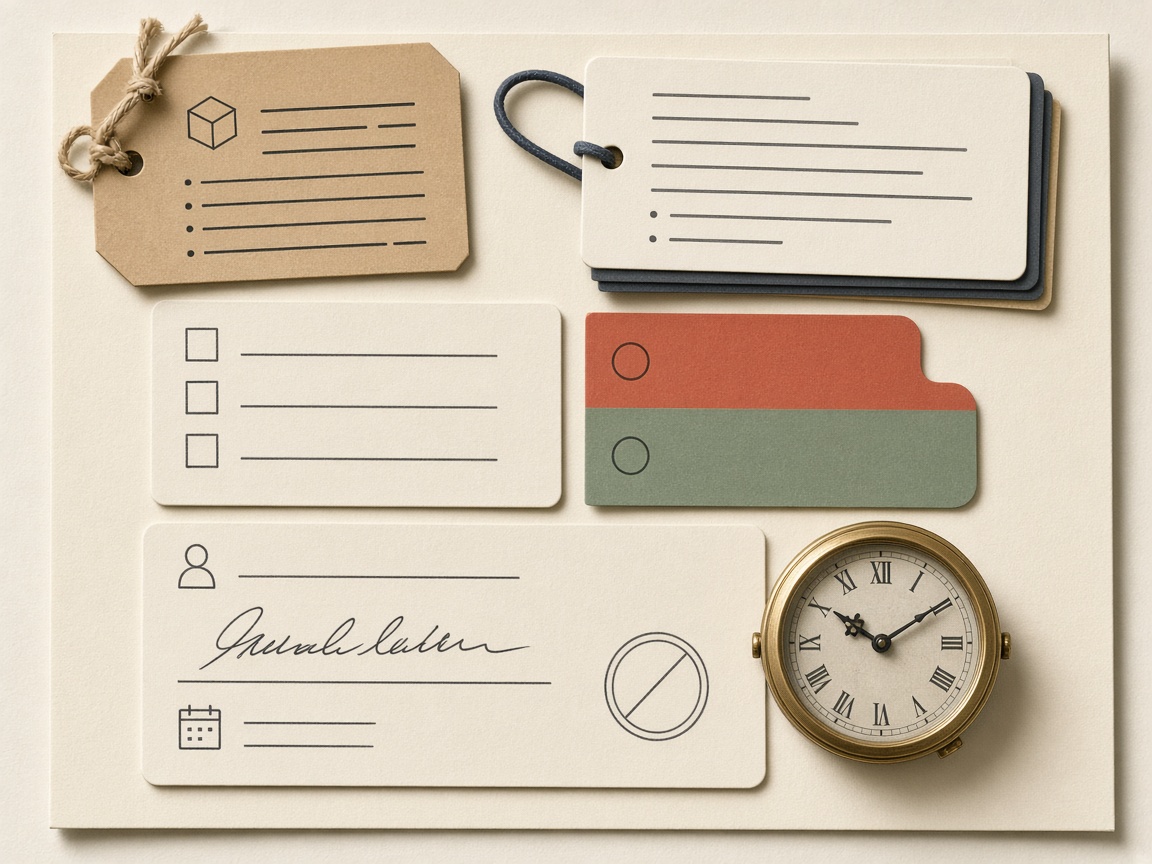
Before anyone can approve, the handoff packet has to be complete, and the approval record has to be written against that same version. A read-through is not the decision.
Snowflake puts the standard plainly: don't assume human review alone is enough. A read with no record of the prompt, sources, model version, and approval path is not accountability. How each claim gets checked stays in the QA guide.
Fail closed — The packet and the written decision are the gate. Without both, that exact version stays unpublished.
Who Owns the Byline When Software Drafted the Page?
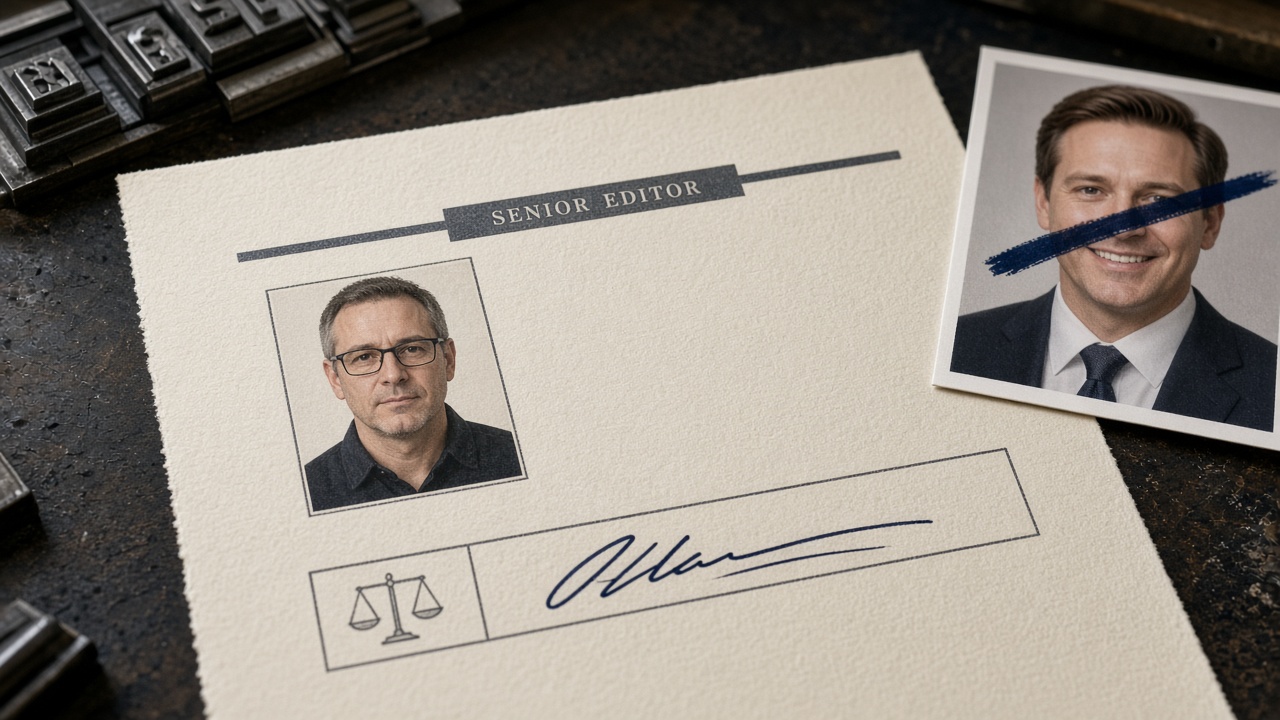
A recorded publish decision does not hand the byline to the software. The byline belongs to the accountable human. If a published AI article is wrong, the named approver owns the error, the escalation, and the credit. The model may have drafted the page; it cannot sign for it.
PMI’s RACI guidance is explicit: an AI agent must not be the Accountable party. Agents can act. Approval authority and escalation stay with a person.
That person has to be real. Google treats fabricated creator profiles—AI-generated headshots, made-up names, or false credentials—as deception. Do not invent an expert name, headshot, or credential the person does not have.
Larger organizations already split quality ownership. Markup AI found no shared owner for AI content quality: responsibility is split across IT, marketing, and a small shared-ownership group, and that survey’s figure for the split is 40%—so no single owner is the default. Lean teams win by writing the owner down before they automate.
Byline — The byline and the error belong to the named human approver, never the model—and a fake expert profile is deception, not a workflow shortcut.
Approval Workflow vs. a Pre-Publish QA Checklist
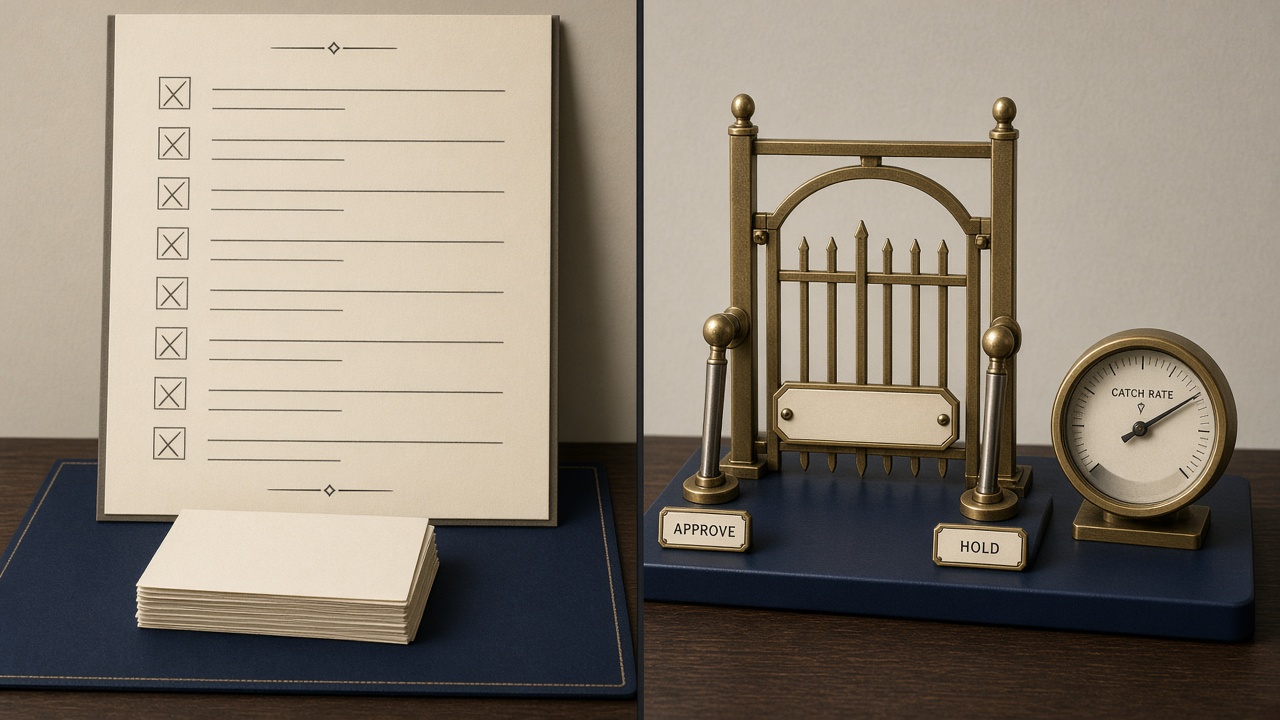
Owning the byline still leaves one mix-up. A pre-publish QA checklist is what gets inspected on the draft. An approval workflow is who may advance, hold, or return that exact version. Fact-check and originality steps stay on the existing AI-draft QA checklist. This gate only records the decision.
Checking is already the default, and it still misses. Only 3% of AI users generally trust unreviewed AI text, yet 7% now publish mostly unedited output, up from 4%. The gate has to be a recorded decision, not a habit of looking it over.
Tell delay from protection with three numbers you can audit: inaccuracies caught on holds, time-to-decision against the stage due date, and the share of publishes with a complete record. Extra approvers that do not raise the catch rate are a bottleneck, not quality. Creative teams already pay for that stall—57% of creative professionals lose time to non-creative work such as compliance checks and workflow bottlenecks.
Decision, not habit — A checklist inspects the draft; the workflow names who may publish, hold, or return that version. Extra approvers that do not raise the catch rate only add delay.
AI Review Habits vs. Error Catch Rate
Key Takeaways
Name the approver, the backup, and the specialist gates for your next automated article before you turn the queue on.
Frequently Asked Questions
You Might Also Like
- Workflows Content QA for AI Drafts: The Review Checklist Before You Hit Publish
- Workflows Content Ops for Lean Teams: Roles, Handoffs, and SLAs
- Workflows Autoblogging Briefs That Rank: Decision Rights for Writers and AI
- Workflows Content Automation Workflow: Research, Draft, QA, Publish
- Automation Automated Blog Posts: Quality Guardrails That Prevent Thin Content