Website AI Assistant: How to Answer Customer Queries Without a Generic Chatbot

An AI concierge on your site is not a generic chatbot with your logo on it. Customers already have a general model. In a Gartner survey of 3,566 B2B and B2C customers in February and March 2026, people were about three times more likely to use third-party generative AI than a company-provided chatbot for service issues, and company chatbot use has stayed statistically flat since 2022.
What they will stay for is a narrower job: an answer taken from your pages, with the page named, and a plain admission when that page does not exist. Among customers who use generative AI, 58% have used it to complete a task — 74% in B2B — so the assistant should route a real next step, not invent one. The business remains responsible for what it says. Prices, agreements, and advice stay with a person, and the assistant should be labeled as AI from the first message.
Treat the 2029 forecast that agents will resolve 80% of common issues as a large-center projection, not a promise you can ship against. The working contract is smaller and stricter: cite or fail closed, escalate on five independent triggers, hand off the transcript, and turn the unanswered log into the next page.
- A useful on-site assistant answers only from your pages and says when it does not know.
- Company chatbots are losing the comparison: customers are about three times more likely to use third-party generative AI.
- Route tasks; do not invent prices, agreements, or advice the business would have to stand behind.
- Escalate on five triggers, not confidence alone, and pass the transcript so the customer does not repeat themselves.
- Unanswered questions are the content loop: review them on a set cadence and publish a page the assistant can cite.
Why a Generic Website Chatbot Loses the Query

The widget is already losing the job it was bought to do. When a service issue comes up, customers open a general model they already have instead of the chatbot on the company site. That is a habit, not a handful of frustrated tickets.
Third-party GenAI use during a service moment nearly doubled in a single year, while company-provided chatbot use stayed flat. A new widget with the same guessing behavior will not win the habit back. Service leaders already paid for the experiment: a median 12% of the 2025 budget went into AI, the highest share of the 10 functions surveyed, and only 24% of those leaders saw positive financial returns. A deflection count without a hold rule — a rule that stops the assistant when it has no owned page to cite — is not proof the stack works. It is proof the bot kept talking.
The gap this article fills is narrower than another explanation of why chatbots fail. A small site can ship an owned-page answer contract: the assistant may answer only from pages the company already published, must say so when it does not know, and must escalate on fixed triggers instead of filling the silence. If you are still choosing a format, the existing website chatbot versus AI concierge comparison already covers that decision; this piece starts after it. From here the work is the contract itself — a cited answer, a handoff that does not guess, and every unanswered question turned into the next brief.
The loss — Customers already left generic company chatbots for third-party GenAI, and more budget on the same guessing behavior will not bring the query back. What a small site can ship is an owned-page answer contract, not another widget.
Service leaders with positive AI returns
Answer Only From Pages You Control
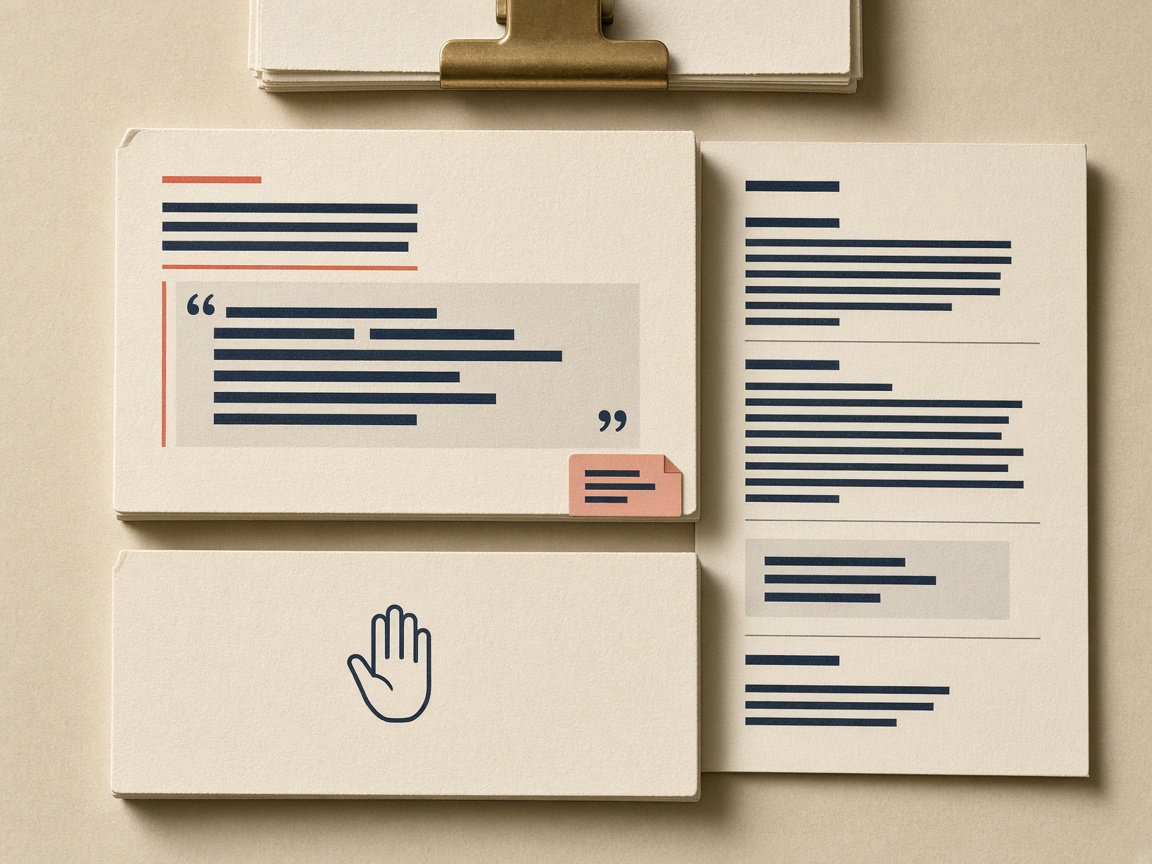
The hold rule starts with what the assistant is allowed to say. A useful on-site assistant answers from the company's own pages and admits when it does not know, rather than filling the silence from general model knowledge. That is an operational contract, not a tone setting: if a teammate cannot open a page you published and find the sentence behind the reply, the reply does not ship.
Fail closed, and name the URL
Fail closed means helpfulness never outranks the page. No unsourced policy. No invented product facts, sizes, lead times, or exceptions. No answer stitched from pages that do not actually say the thing. If the shipping page covers domestic delivery and the customer asks about a remote postcode, nearby sentences are not a license to infer a rule. The assistant stops.
Every reply that is allowed to go out names the URL it used, so a teammate can check the sentence against the page. A nod to "our help center," a product name, or a section title is not checkable. When two pages are required, both URLs appear, and each claim maps to the page that states it. If no page clears that bar, the reply is a clear gap plus an offer to escalate — not a softer guess, a hedged summary, or a "typically" borrowed from what similar companies do. The customer hears that this site does not publish an answer yet, and that a person can take it from here.
The source set you are willing to stand behind
Keep the allowed set narrow, and treat anything outside it as invisible to the assistant.
- In: published help, product, policy, and pricing pages you control and are willing to have quoted back to a customer.
- Out: drafts, internal notes, old chat logs, unpublished briefs, and competitor pages, even when they look more precise.
- When a fact changes, retire or unhook the old URL before the new page goes live, so a still-live address cannot keep being cited as current.
Unhooking is part of publishing, not a cleanup task for later. A stale URL that still resolves will keep winning retrieval, and the assistant will sound confident while quoting a price, window, or policy you already replaced. How a query becomes a tracked outcome — including the gap you just refused to guess through — belongs in the resolution playbook. This contract only sets what may be said.
Page or nothing — If no page you control states the fact, the only honest reply is a named gap and an offer to escalate — never a stitched or model-filled answer.
Route the Next Step, and Keep Liability With a Person
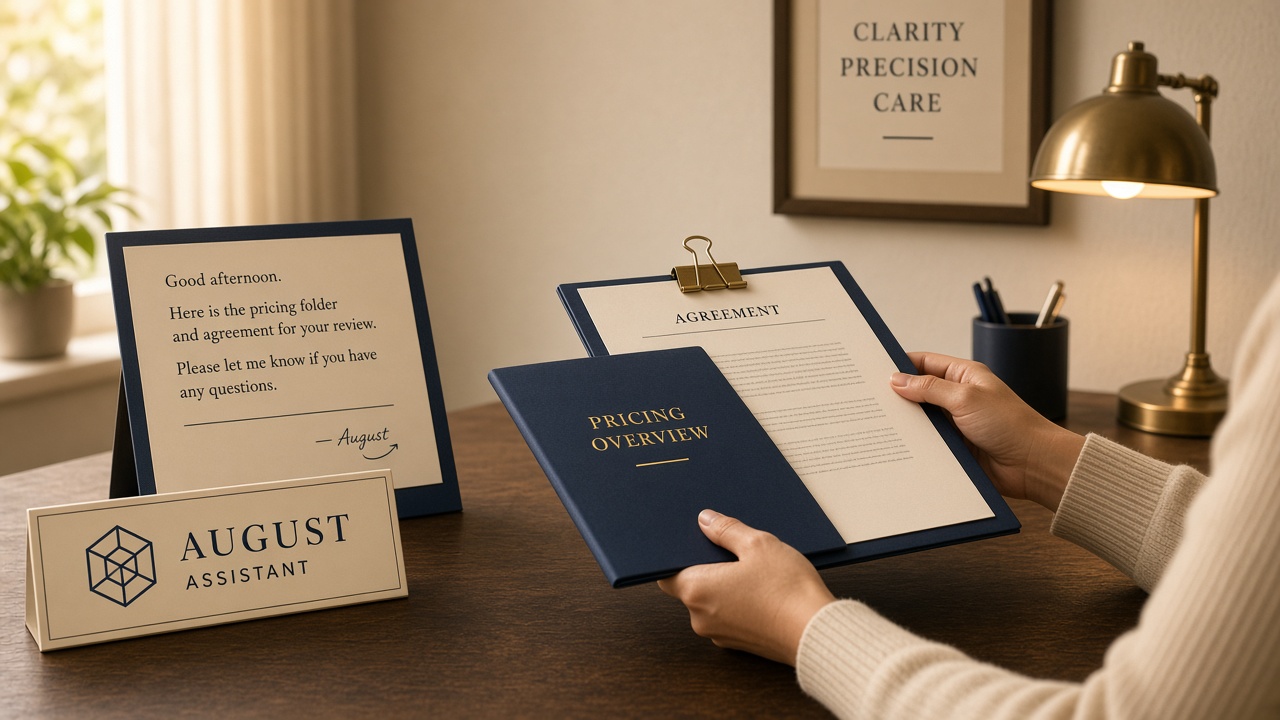
A cited page still fails the visit if the person came to finish something. They are not asking for a recap of a help article. They want a next step the site already supports: track an order, open the right page, or start a documented flow. The assistant routes that step. It does not invent an action the site cannot take—no phantom refund button, no booking that was never published, no promise to update an account when no such path exists.
Routing is narrower than answering. If the order-status page is live, the assistant can send the visitor there and name that URL. If the only path is a form the company already documents, it can open that form. Anything beyond a published path is a miss under the same fail-closed rule as an unsourced sentence: name the gap, offer a person, and stop. A softer guess that fabricates a workflow is worse than a clear handoff.
The company owns the words
The business remains responsible for what the assistant says. A cited page is not a license to negotiate. Prices, agreements, and advice go to a person even when a page mentions them. Quoting a rate card is not confirming today’s price for this customer. Pointing at terms is not signing them. Restating a policy in the assistant’s own words is advice the company will have to stand behind.
That risk is already on the record. In the Air Canada chatbot case, the airline argued the bot was responsible for its own answers. A tribunal rejected that claim and ruled for the customer. The company owned the words on its site, whoever—or whatever—produced them.
Disclosure has a clock, not a footer. From 2 August 2026, EU AI Act Article 50 requires people to be told they are talking to an AI, no later than first contact. Make that label the first message in every market, not a line under the chat window. A visitor who thinks they reached a person will treat a routed link and a quoted policy as a human commitment.
Catalog-aware buying help on Shopify is a separate job. Product matching, cart actions, and merchandising rules belong in the existing Shopify AI shopping assistant article, not in this routing contract. Here the rule stays simple: only steps the site already publishes, and a person for anything that binds the business.
Hold the line — Route only steps the site already supports, send prices, agreements, and advice to a person, and label the assistant as AI in the first message—the business owns every sentence either way.
Escalate on Five Triggers, Not Confidence Alone
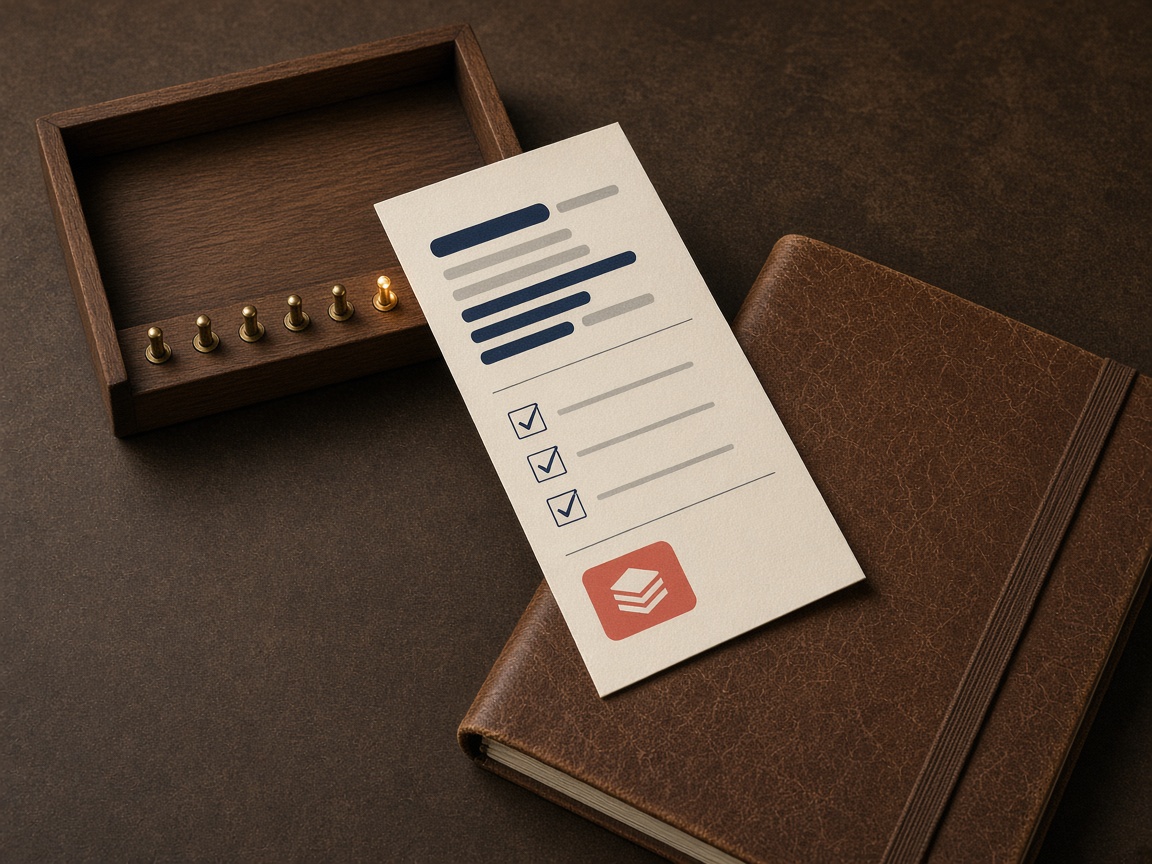
A published next step is not a decision to keep talking. Once prices, agreements, and advice stay with a person, the handoff has to fire on rules you can audit. A confidence score that looks high enough to continue is not one of those rules.
Ship five independent triggers. Any one of them is enough to stop the assistant. Do not let confidence be the only gate, and do not treat it as a publish-or-reply test.
Independence is the point. A polite, high-confidence sentence about a refund exception is still an escalation. An explicit request for a person does not wait for a second miss.
What a warm handoff has to carry
A warm handoff is a packet, not a transfer. It carries the transcript, what was already tried, and why it escalated. 73% of consumers say having to repeat information is one of the most frustrating parts of support, and only 34% of teams pass context when they escalate. That pair is why the packet is mandatory: the person who picks up the thread should not make the customer start over.
Even as AI resolution rises, plan for a meaningful human share of interactions, on the order of 20 to 30 percent, and staff the queue for that share. Gartner's forecast that AI agents will resolve 80% of common customer service issues without human help by 2029 is a large-center forecast, not a promise for a lean team. Do not set the success target to that number. A small site that chases 80% will understaff the queue and hide the questions the assistant was never allowed to guess.
Hold rule — Five independent triggers force a handoff a person can finish, and the packet — transcript, attempts, and reason — is what keeps the customer from repeating the case.
Turn Every Unanswered Question Into the Next Brief
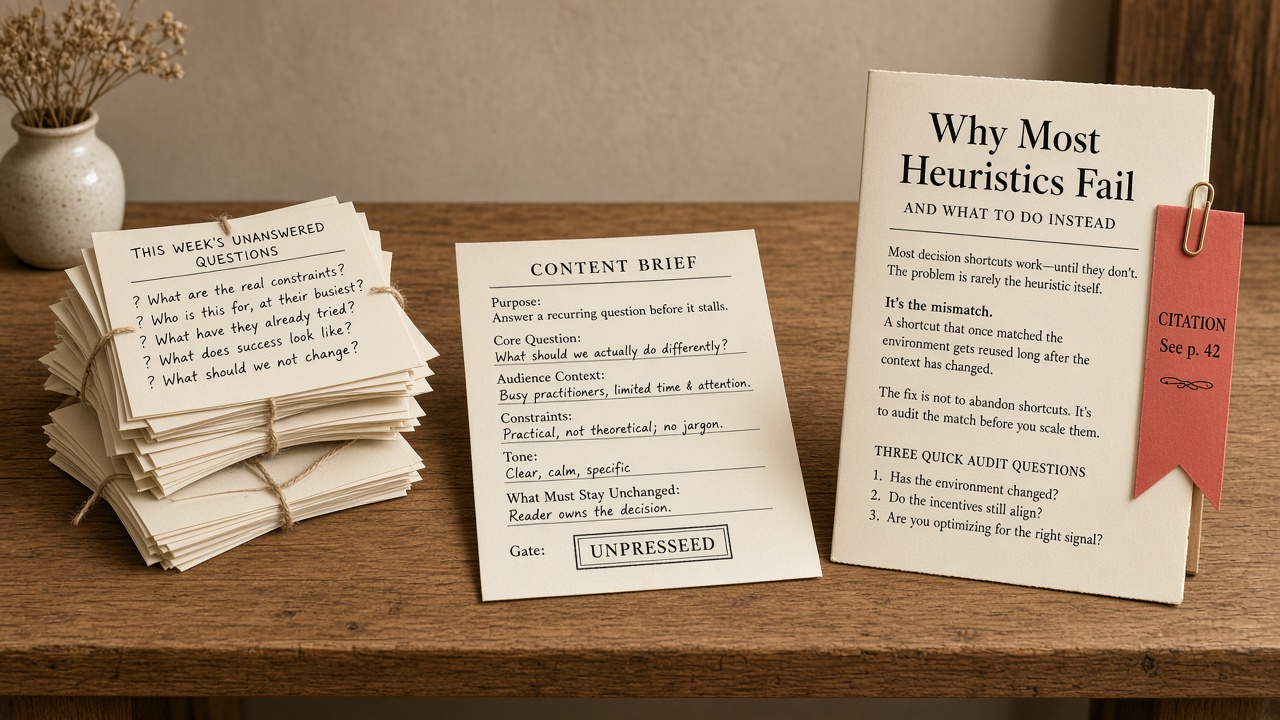
Those five triggers decide when the assistant stops. What you do with the stop is what makes the next week better. An unanswered question is not a failure metric and not a reason to loosen the page-only rule. It is the content loop: a gap the site should close, reviewed on a set weekly cadence instead of left in a report nobody opens. Review escalation reports weekly. The questions the assistant cannot answer are the brief queue, not proof the concierge is broken.
Cluster that queue by intent before anyone writes. A one-off complaint that is really an escalation—a refund fight, a sensitive case, someone who asked for a person—does not become a page. Brief a page only when the same question repeats and your site should be able to answer it from a page you control. That filter keeps an angry ticket from turning into a post the assistant will later cite as fact.
The brief still has to clear the gate
Publish only if the brief clears the existing brief gate. Fail closed for content the same way the assistant fails closed for replies. No auto-publish from the raw log, and no sentence that invents a policy because a question came up three times. Content automation and SEO automation are the publishing path behind that gate—the machinery that puts an approved brief on a live URL—not a shortcut around the person who still has to sign it off.
After the page is live, add that URL to the allowed source set so the assistant can name it behind every sentence it draws from the new page. Until the page is published and hooked, the gap still escalates. A draft in the CMS is not a source, and a stale URL you have not retired is worse than a miss.
Making those pages citation-ready is a separate craft. How a published page earns AI visibility, and how it holds up under answer-engine optimization, lives in the AI visibility and answer-engine optimization articles—not in this loop. Here the job stops at the weekly log, the clustered brief, the gate, and the cited URL.
The concierge gets sharper because the site got a page, not because the model was told to guess harder.
The loop — Unanswered questions pay off only when a weekly review clusters repeats into a brief, that brief clears the existing gate, and the live URL joins the allowed source set. Until then, the assistant still escalates.
Key Takeaways
Ship the page-only answer contract on your site, then let each unanswered question become the next brief a person approves.