How to Brief Original Examples So AI Drafts Do Not Repeat the SERP
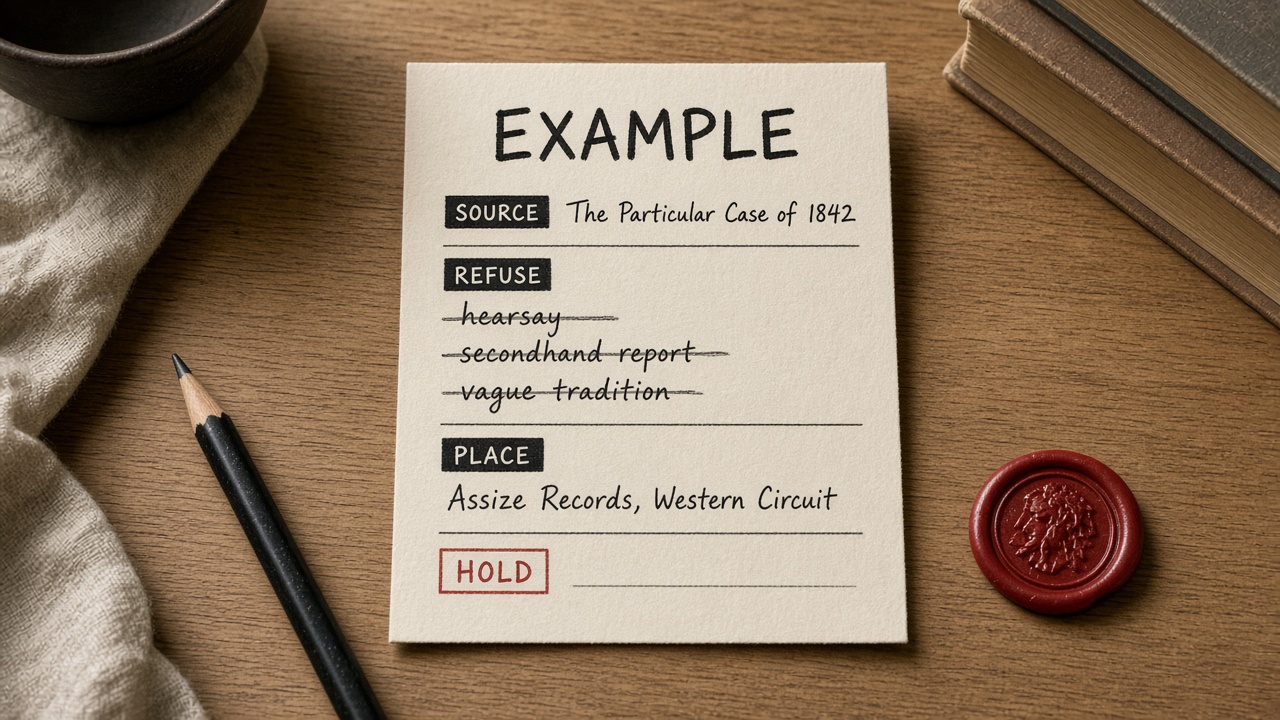
An unbriefed AI article writer repeats the SERP because it is predicting wording, not reporting. Google’s guidance on generative AI is plain: models do not retrieve facts; they predict a likely sequence of words from training data, so every output can hallucinate and must be fact-checked before you publish. That prediction is now the web’s default material. Ahrefs found that 74.2% of 900,000 newly detected English pages in April 2025, one page per domain, contained some AI-generated text. At volume, pages that only restate what already ranks are the pattern Google’s scaled content abuse policy describes. Information gain SEO is the practical test of whether a page adds anything those results do not already say. Across 150 top-3 Google pages for 50 keywords, On-Page.ai’s median score was 52/100 — about half of a typical top-ranking page had a close semantic equivalent in its own cohort. The study treats paraphrases as overlap. Shared facts, definitions, and generic advice are baseline; original measurements, first-hand examples, and specific failure cases count as gain. Length is not a substitute: the longest third scored a median 57.5, the shortest third 50.5, and the middle third 49. Pages with 15 or more unique figures scored higher than pages with at most one — a mean 62.1 versus 40.2 — yet 30% of those pages carried at most one. When a survey is impossible, a briefed example is the substitute, and invented numbers do not count. The SEO content brief has to lock that original example before generation, not after a paraphrase is already on the page. Name the example, its non-inventable source, the SERP examples to refuse, where it sits, and a fail-closed hold if the block is missing or generic. Aim it at a question the top results leave open: in 90% of those 50 SERPs, at least one sampled topic question went unanswered by every scanned top-3 page. Do not brief it as a citation switch for answer engine optimization. The brief is that example card — source, refuse list, and the hold that stops a SERP clone from shipping.
- Unbriefed AI drafts paraphrase the SERP because models predict likely wording; they do not retrieve facts.
- A median information-gain score of 52/100 means about half of a typical top-3 page already has a semantic twin in its cohort.
- First-hand examples and specific failure cases count as gain; paraphrases, shared facts, and extra length do not.
- Brief one sourced example against an unanswered question, with a refuse list and a fail-closed hold.
- Originality is a differentiation and trust requirement, not a confirmed ranking or citation switch.
What Counts as an Original Example in an SEO Article?
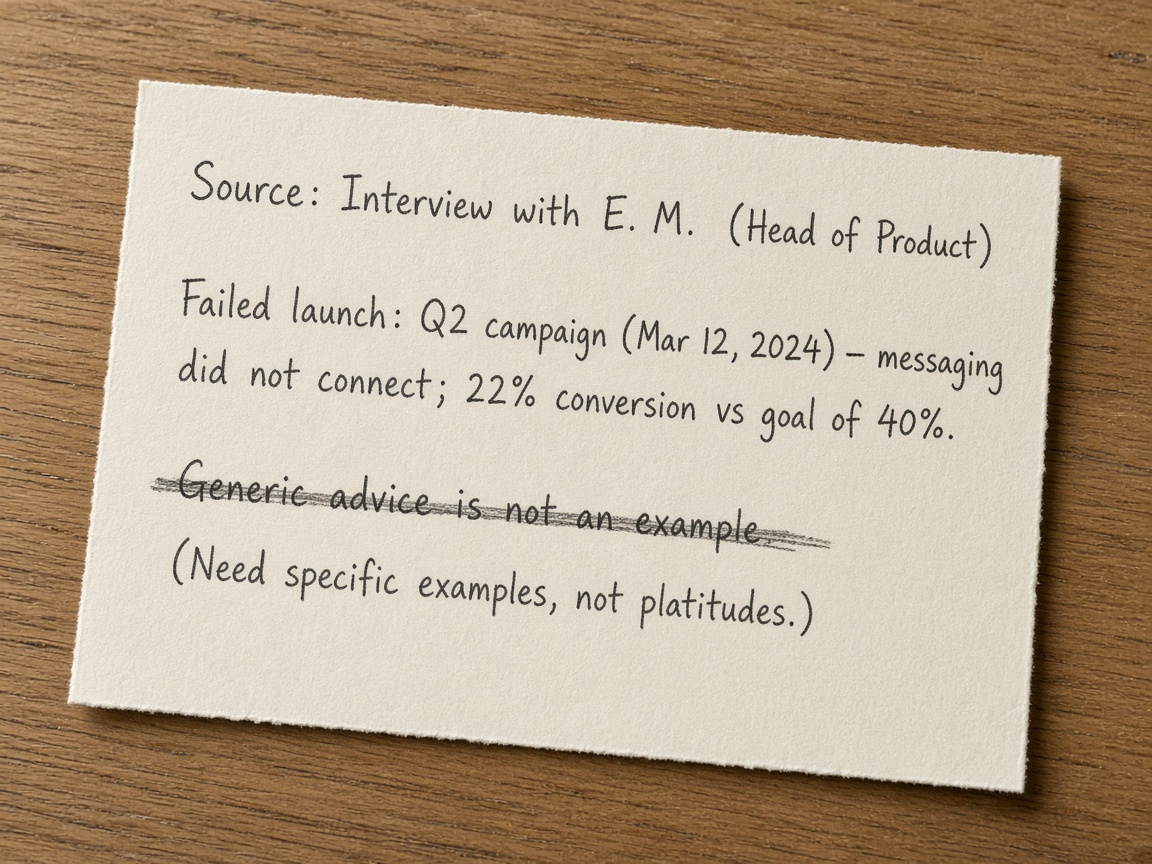
What counts as an original example in an SEO article is a specific case, walkthrough, or failure whose facts are not already on other sites. A reworded definition or a generic how-to is still baseline.
Google’s quality framing treats originality as unique information or perspective that is not already available on other websites, and it warns against mainly summarizing what others say without adding much value. Extensive automation across many topics draws the same warning.
A briefed example is a sourced narrative or procedure the model may not invent. A first-party data block is measured numbers—logs, a test, a survey. The rank-brief hub holds the rest of that contract; this is not a data-block template.
If you cannot name a non-inventable source, you do not have an example yet. Invented clients and round numbers do not count.
Why AI Drafts Repeat the SERP Even When the Prompt Says Be Unique
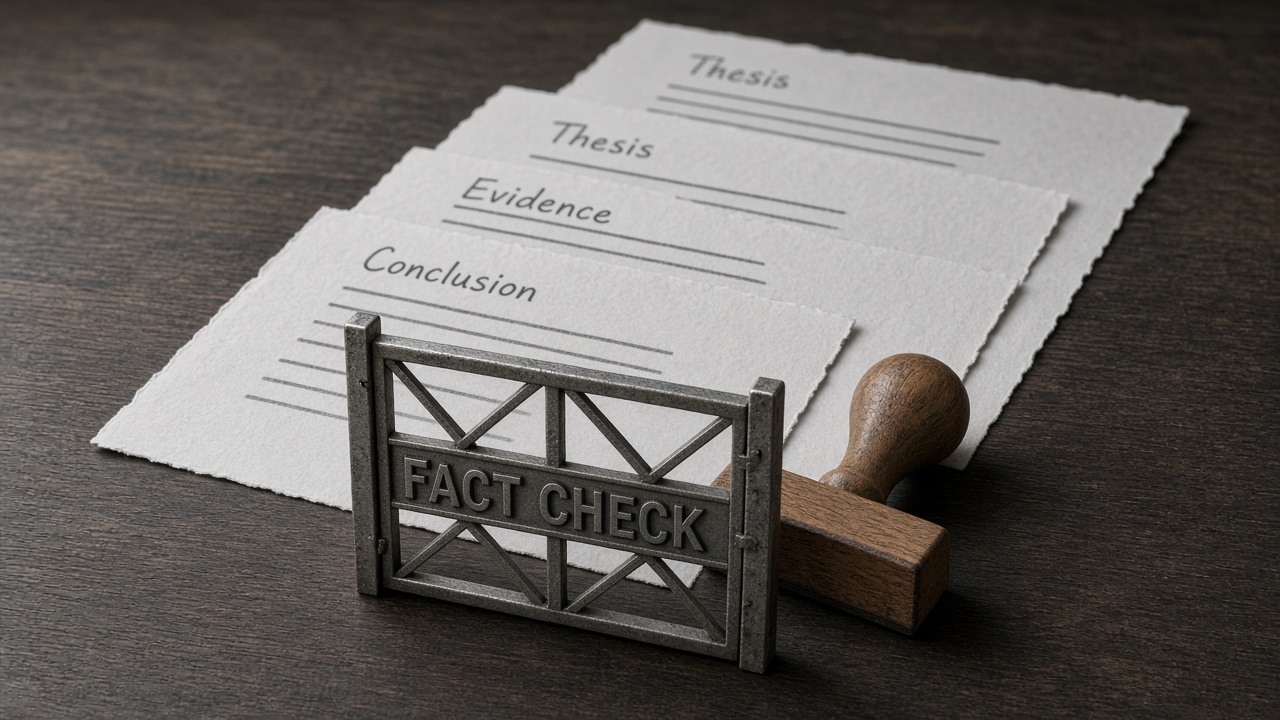
A uniqueness line in the prompt does not supply an example you never briefed. The model cannot retrieve a case that is not on the card, so the instruction has nothing new to continue.
Marketers are already writing with the same tools. Of 879 surveyed content marketers, 87% used AI to create or help create content, most often blog posts. Overlap is in meaning, not wording: a reworded competitor article adds nothing.
Information gain rewards content for being different, not just better. — Ryan Law, quoted by Ahrefs
— Ryan Law
Google’s helpful-content questions ask for original information, reporting, research, or analysis, and for substantial value versus other results rather than copying or rewriting sources. Scaled content abuse covers large amounts of unoriginal pages however they are made, including generative AI pages and synonymizing. After the March 2024 work, Google reported that users would see 45% less low-quality, unoriginal content in results. Treat that as direction, not a score you can optimize to.
Mechanism — A “be unique” prompt cannot create a non-inventable example. If the card never supplied one, hold the page — do not publish a consensus rewrite.
How to Map Examples Already on the Top Results So the Draft Does Not Clone Them
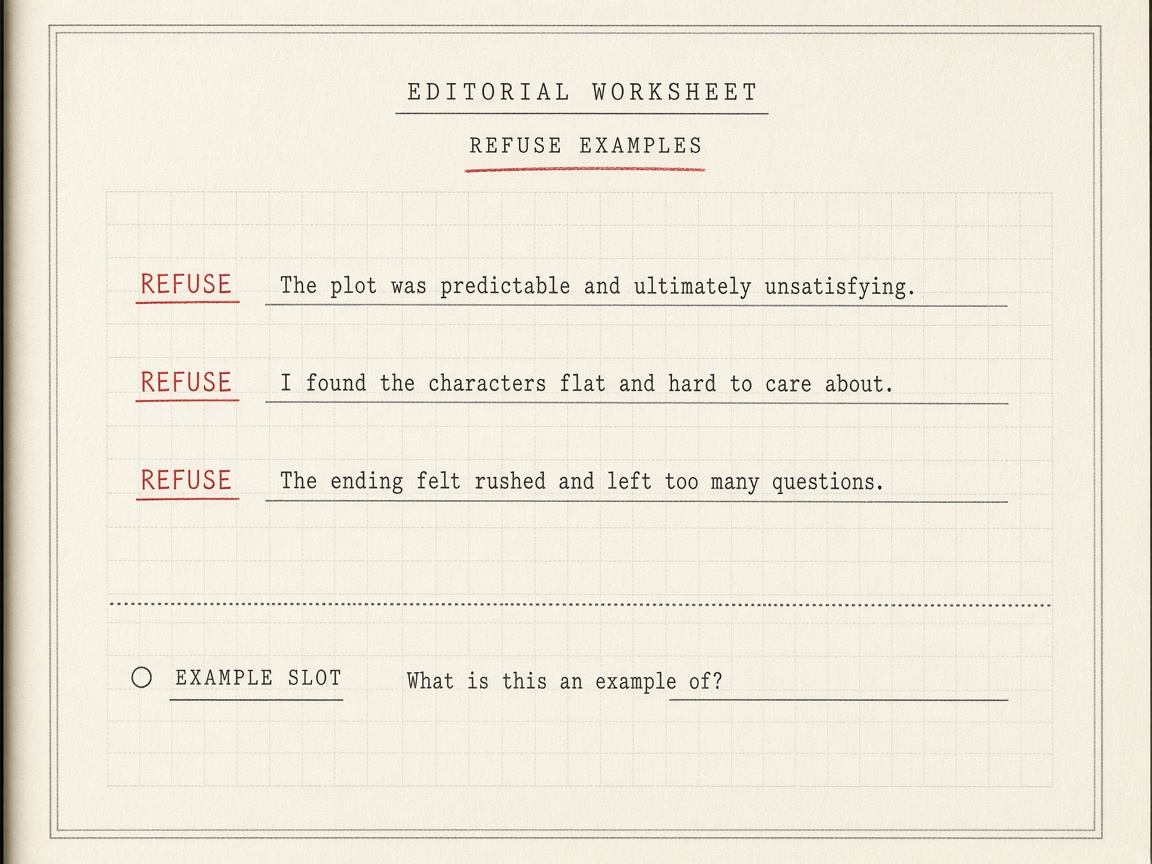
Map the examples already on the top results before generation: list every concrete case and failure story and mark each as refuse. The draft may not retell those cases with new adjectives.
Mapping matters because originality still varies inside the same results. Within one keyword the spread between the most and least original page averaged 31.6 points. Marketing and SEO pages had a median of 55—still far from fully original. Ranking is not proof the page already showed your example.
Aim the example at a question none of the top results answered. In 60% of those 50 SERPs, three or more sampled questions went unanswered by every top-3 page. Brief against that gap, not a longer clone of the shared outline.
This pass only decides the example the outline is not allowed to clone — a case those pages do not already show, not another list of their shared steps.
Map, then refuse — Refuse every concrete example already on the top results, then brief one non-inventable case against a question those pages left unanswered.
What the Brief Must Lock Before the Model Writes
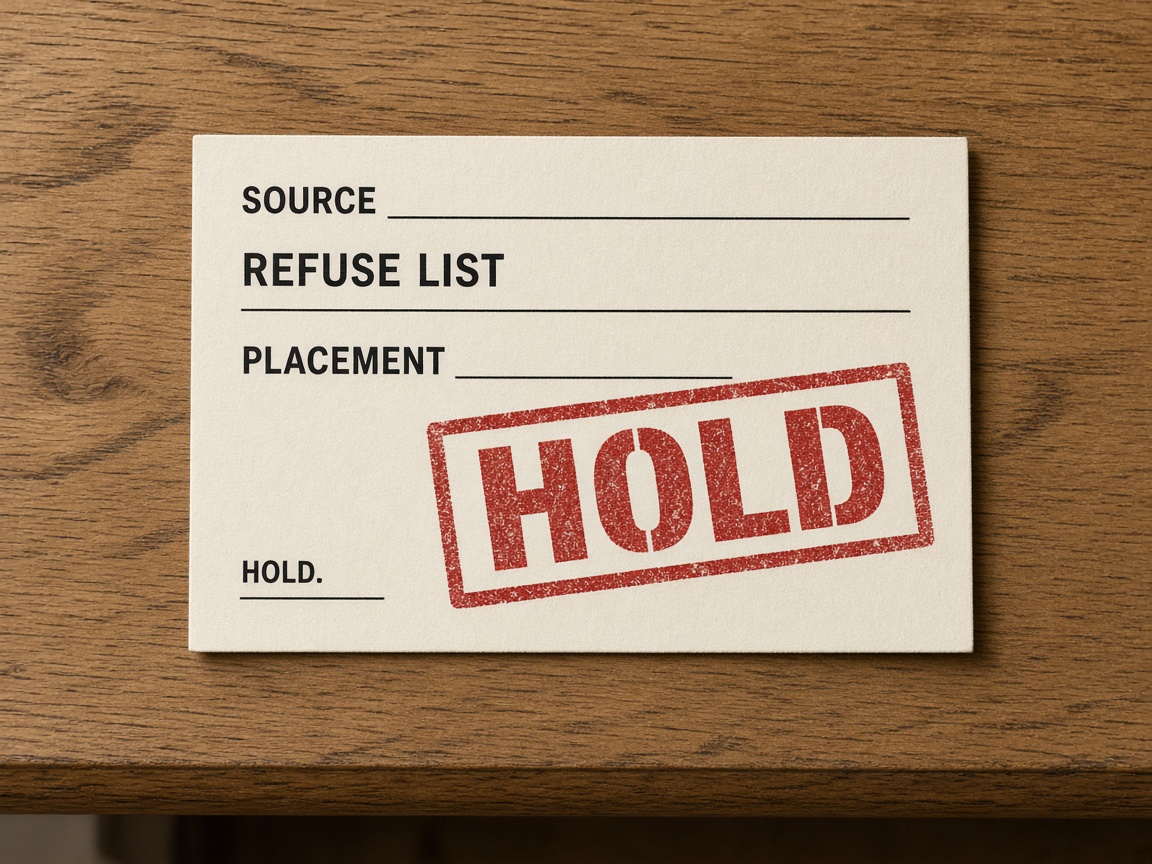
Lock these fields before the model writes: the example’s name; the question it answers; a non-inventable source (a URL, log, interview, or your own recorded run); the exact facts the model may use; the SERP examples it must refuse; where the example sits; and a fail-closed hold if the block is empty or generic.
ContentGrip’s AI-answer checklist asks whether the brief specifies at least one original element, such as data, an example, or an expert quote, and treats an unsourced claim as something to flag for removal. That instinct is right; a solo operator still needs the hold, not a reminder. Leave the rest of the rank contract to the existing writer-and-AI brief guide. This article does not rebuild that brief or the page-type samples.
Fail closed — If the locked example is missing, generic, cloned from a refused SERP case, or filled by the model, the page does not publish.
How Many Original Examples Does One Article Need?
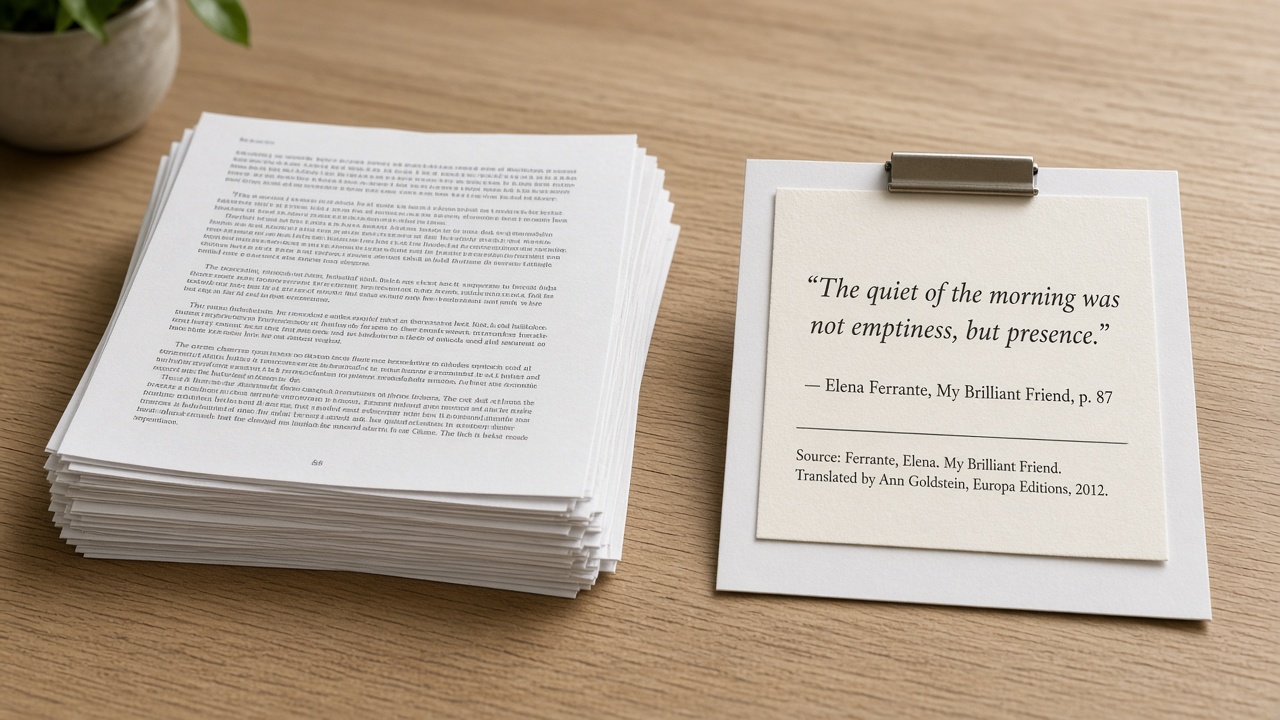
One sourced example is enough when a survey is impossible. Do not pad with three generic illustrations. Invented numbers are not a substitute for a measurement you actually have.
Length is not a substitute. A longer clone of the same outline is still a clone.
An original example does not guarantee a citation in AI Overviews. On the same 50 keywords, ranking pages cited by AI Overviews were not more original than uncited ones (medians 52 versus 55.5), and the most original page was included in only 33% of eligible SERPs, below the 50% expected from random selection.
Do not treat the information-gain patent as a live score. As Ahrefs quotes it, the score is additional information beyond documents already shown, and Google has not confirmed it ships in ranking or AI features. On-Page.ai does not claim the score causes rankings or citations. Originality was not required to hold a top-3 spot: 24% of those pages graded mostly shared, and position medians were flat at 52, 51.5, and 52. The example is a differentiation and trust requirement, and a defense against scaled unoriginal pages—not a rank lever.
One example — One sourced example is enough; length, invented figures, and the information-gain patent do not buy rank or a citation.
Scores by length and data points
Where the Example Should Sit, How to Brief a Counterexample, and When to Re-check
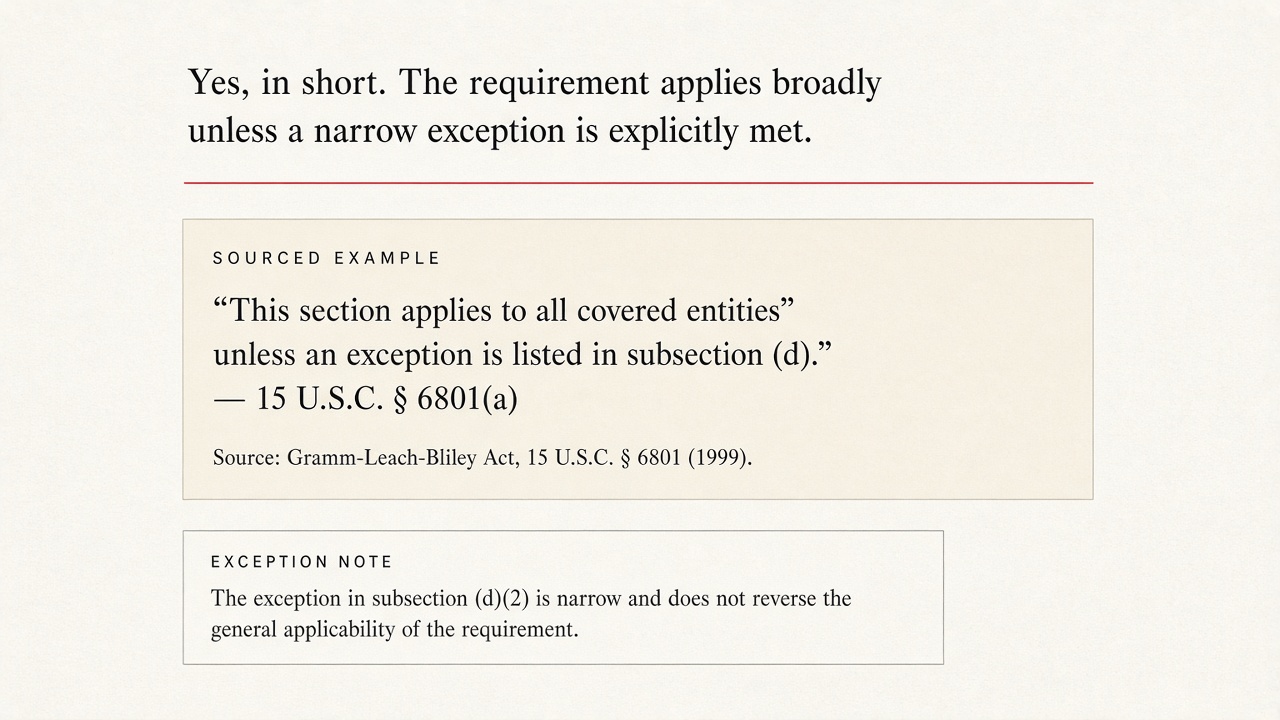
That example only works if a reader and an answer engine can use it. Place it in the first sentences after the direct answer it illustrates, in plain prose a reader can follow and an answer engine can quote. Do not bury it in a sidebar, a late FAQ, or an image caption with no text equivalent.
Brief a counterexample as a bounded exception: state the consensus answer first, then the condition where it fails, under the same non-inventable source rule. It must not reverse the article’s answer or argue with shared facts you already treated as baseline.
Re-check before each republish and whenever the top results start showing the same case. If the gap has closed, replace the example or hold the page. A changed SERP is a new refuse list, not a cue to lengthen the old draft. Extractable answer shape belongs to the AI Overviews survival guide; this placement only gives that shape something original to cite or skip.
Placement — Sit the sourced example in the first sentences after the answer, bound any counterexample so it does not overturn the consensus, and replace or hold the page when the SERP closes the gap.
Key Takeaways
Lock one non-inventable example, a SERP refuse list, and a fail-closed hold in the brief before the next AI draft is allowed to publish.