Indexing SLA: How Long to Wait Before a New Article Is a Hold, Not a Failure

How long for Google to index a new page is the first question a scaled publisher asks after a batch goes live. The honest answer is that Google cannot predict or guarantee when, or whether, a URL will be crawled or indexed. A clock that treats “not in the index yet” as a broken pipeline will keep resubmitting pages that are still in a normal hold. The SLA that matches how Google actually works starts with a live HTTP 200, checks Search Console before any second nudge, and leaves the page on hold until the status says otherwise.
- Google does not guarantee when or whether a new URL will be crawled or indexed, and most sites should expect three days or more, not same-day indexing.
- Search Console is the status gate: discovered means not crawled yet; crawled but not indexed means do not resubmit that URL just to force another fetch.
- A practical indexing SLA starts at a live 200, checks status before a second nudge, and treats not-indexed as a hold until quality, duplication, or a broken discovery path is the actual finding.
How long does Google usually take to index a new page?

That wait is usually several days, not hours. Google says checking and indexing takes three days or more for most sites, and same-day indexing is only for news or other extremely time-sensitive content. New pages on most sites take several days at minimum to be noticed.
Search Console is a little more cautious about when the clock even starts. A new page or site can take a week or so to start being crawled and indexed, and new content often takes a few days rather than appearing immediately.
About 20 hours is a typical discovery case, not a guarantee. On October 2, 2026, at Search Central Live, Gary Illyes showed internal timing ranges; a recap lists typical new-URL discovery at about 20 hours, and the slowest case as weeks to never. Google has not published those figures, the recap has no sample size, and many never cases are tied to quality rather than a stuck queue.
Not an SLA — Plan on three days to about a week. Twenty hours is a typical discovery case from an unpublished recap, not a promise that a missing index is already a failure.
Published new-page indexing waits
What the 1.5-hour indexing figure actually measures
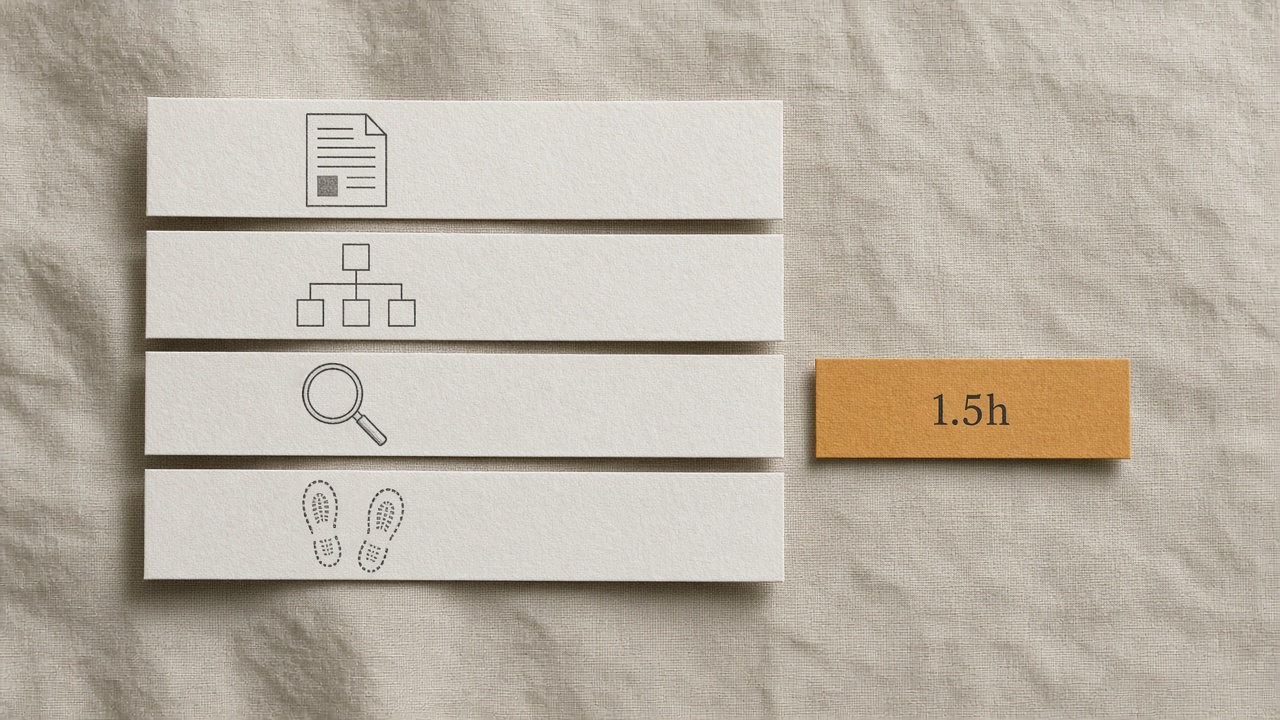
The about 1.5-hour figure is typical end-to-end indexing after processing has already started. It is not the wait from publish to appearing in Google. A third-party recap of Gary Illyes’s October 2, 2026 Search Central Live ranges puts that typical case at about 1.5 hours, and that is not a promise that a new page appears in Search that soon after publication.
A page cannot be indexed until it has been crawled, so discovery, sitemap processing, rendering, and canonicalization can stack in front of that short clock. In the same recap, sitemap processing is typically about 24 hours, and at worst up to 14 days or never for quality reasons. The slowest indexing case is months or never, also attributed to quality.
Sitemaps are useful suggestions, not a requirement that Googlebot crawl every listed URL immediately. Do not resubmit the same unchanged sitemap many times a day. Which ping to send after a real change belongs in the IndexNow sibling guides, not on this clock.
Different clock — About 1.5 hours is the typical indexing clock only after processing has started. Sitemap processing usually sits in front of it at about 24 hours, and quality can stretch either stage to days, months, or never.
How long to wait before a missing index is a hold
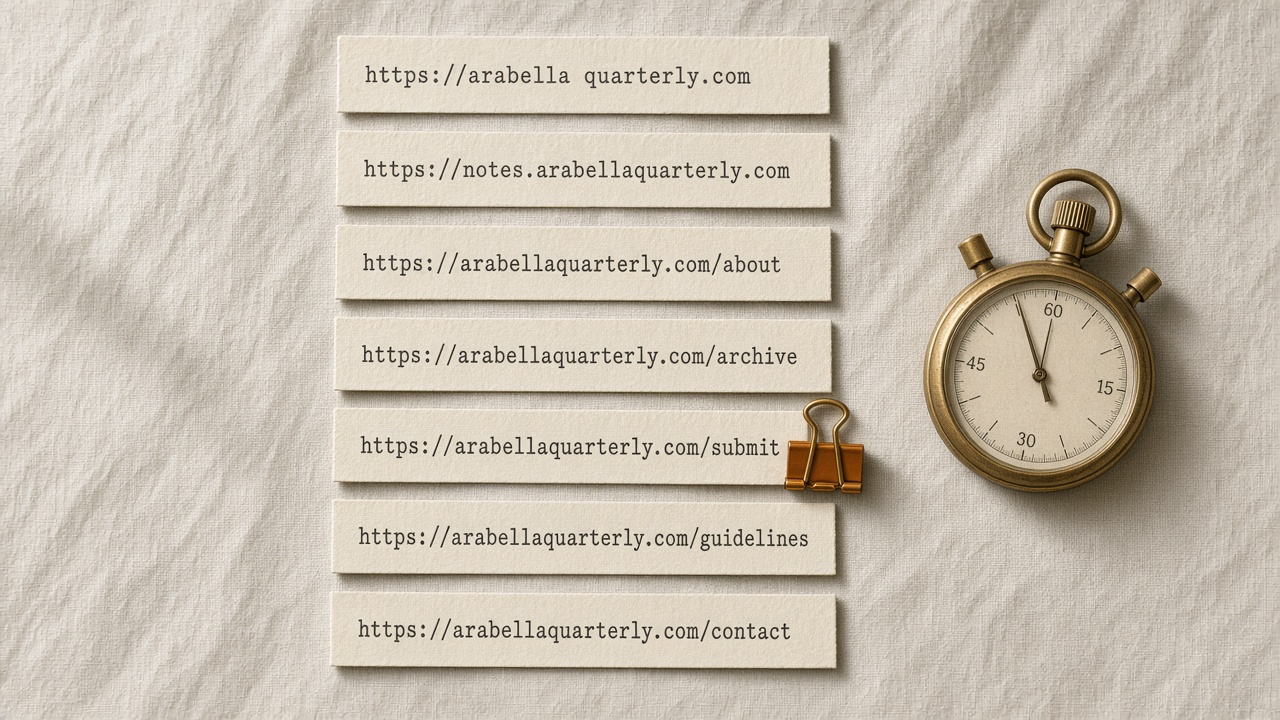
A missing index is still a normal delay, not a failed article, until the URL has been live through Google’s multi-day window — about a week for a new page. Silence after a day or two does not mean the publish failed.
An unfinished queue and a page Google has already judged are different problems. The hold stays in place until status names one of those later causes.
Hold, not fail — Keep the article in hold until a live 200 has waited through the multi-day window and Search Console names quality, duplication, or a broken discovery path.
Discovered – currently not indexed vs Crawled – currently not indexed
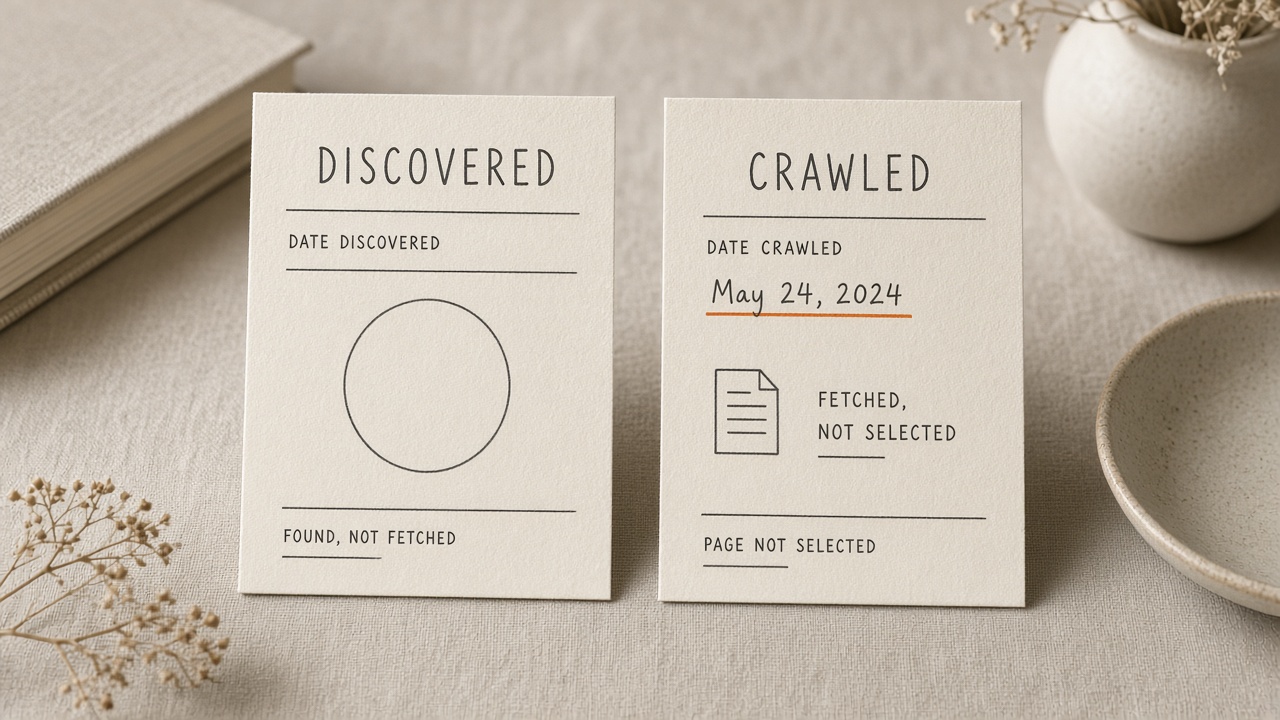
Those two Search Console lines are different holds. Discovered – currently not indexed means Google found the URL and has not crawled it. The crawl was often rescheduled because crawling then was expected to overload the site, which is why the last crawl date is empty. That status is still a queue, not a failed article.
Crawled – currently not indexed means Google fetched the page and did not select it. It may or may not be indexed later, and Google says the URL does not need to be resubmitted for crawling.
A missing index becomes a quality problem, not a crawl delay, when the page was already crawled and Google does not see sufficient value or user demand. Stop the ping loop. Check duplication, thinness, and whether the page answers a real query, then rewrite it or kill it.
Selection, not delay — Once a URL is crawled and not indexed, another ping will not fix it. Treat that status as a value problem and rewrite or remove the page.
Does requesting indexing in Search Console guarantee the page will be indexed?
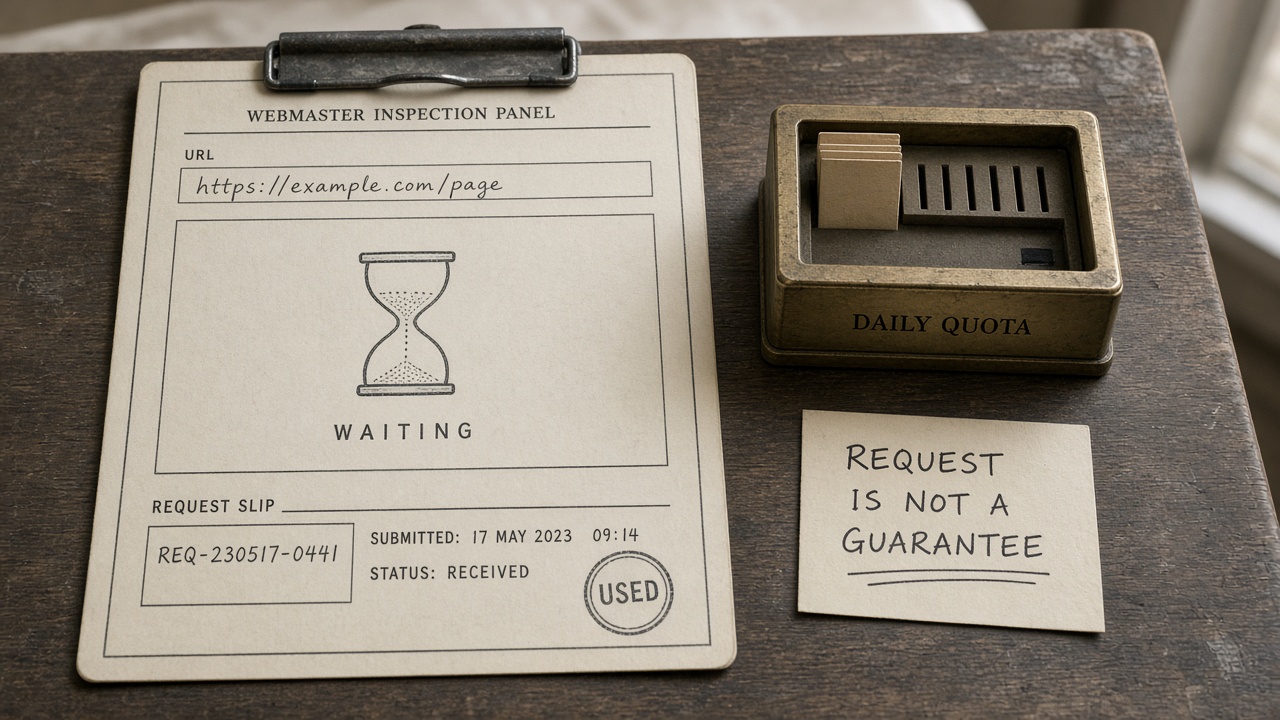
No. A URL Inspection indexing request does not guarantee the page will enter the index, and Search Console puts a daily limit on how many of those requests you can send. It is a one-URL crawl nudge, not a ranking trick.
When new content is added, indexing can take a few days, and requesting indexing can shorten that lag. After you send the request, inclusion typically takes a day or so, can stretch to a week or two, and is sometimes much longer. That window is still a hold, not a failed publish.
This SLA only decides whether that one request is even allowed yet: a live 200 that has already waited through the multi-day window, and a status that is not already a quality or duplication refusal. The fail-closed click itself belongs in the sibling guide on submitting a new URL.
Not a guarantee — Requesting indexing can cut a few-day lag, but it does not promise inclusion. A day or so is typical, a week or two is possible, and a longer wait is still a hold.
Does an IndexNow 200 mean Google indexed the page?
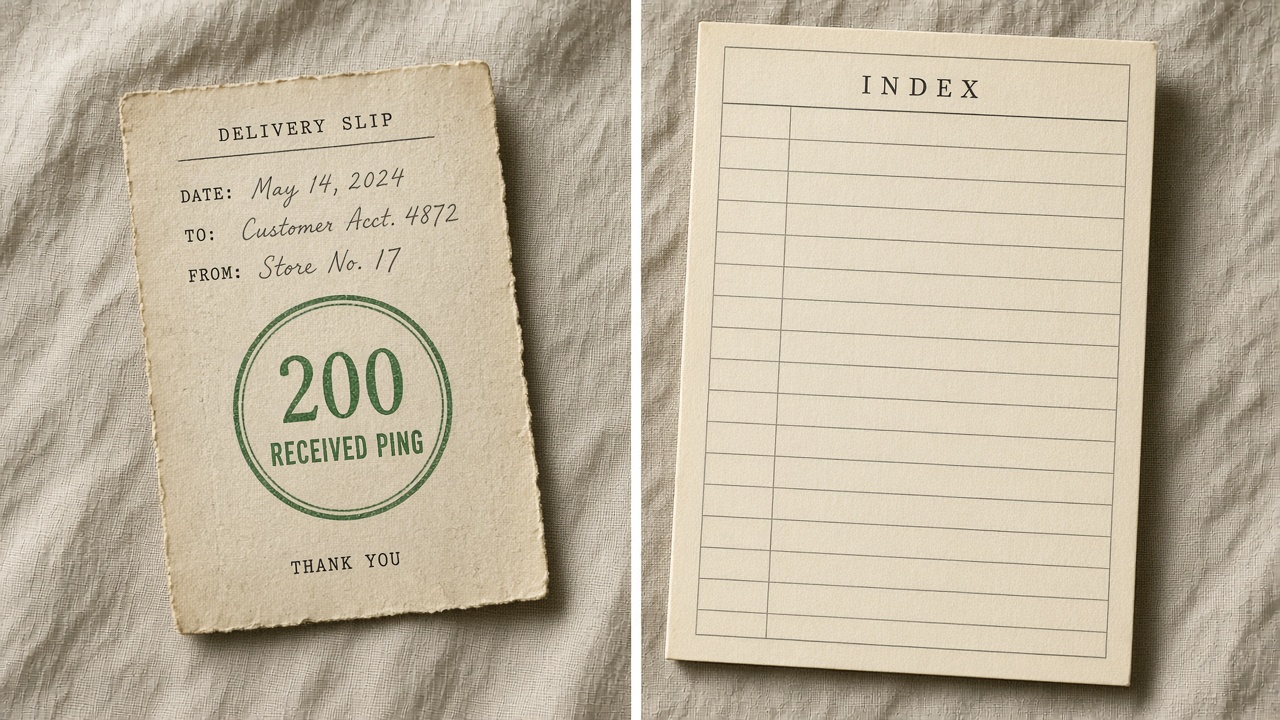
No. An IndexNow HTTP 200 only means a participating engine received the URL or URL set. It is not confirmation the page was crawled or indexed. A 202 means the URL was received and key validation is still pending. Neither code puts the page in Google.
Google does not support IndexNow. The listed endpoints are the global api.indexnow.org endpoint plus Amazon, Bing, Naver, Seznam.cz, Yandex, and Yep. One submission is shared with those engines, not with Google.
Do not use the Google Indexing API for a new blog post. It is limited to pages with JobPosting structured data or a BroadcastEvent embedded in a VideoObject.
Every IndexNow URL counts toward crawl quota, and submitting a URL does not guarantee immediate indexing. Do not send the same URL many times a day unless the content meaningfully changed, and wait at least five minutes between updates. A 429 means too many requests. Which ping to send stays in the IndexNow versus Indexing API article.
Received, not indexed — An IndexNow 200 or 202 only confirms a participating engine received the URL. Google is not in that network, and the Indexing API is not the ping for a new blog post.
Some pages are never indexed, and an index is not a ranking
Even after a ping is accepted, Google may never index the URL, and that can be normal. John Mueller has said it is normal not to index 100 percent of a site: 80 of 100 pages indexed would not necessarily be a problem to fix.
A URL Google already knows is typically refreshed about every 30 days in the October 2026 recap of those Search Central Live ranges, with a slowest case of weeks to never. A quiet stretch between recrawls is not a reason to republish the same URL.
Being indexed does not mean the article will rank. Selection for the index is not a position, and a sitemap does not raise rankings.
Normal gap — It is normal not to index every page, a known URL is typically refreshed about every 30 days, and being indexed is still not a ranking.
Key Takeaways
Check the live URL and its Search Console status against this wait window before you treat a new article as a failure or send another ping.
Frequently Asked Questions
You Might Also Like
- Guides How to Submit a New URL in Search Console Without Treating It as a Ranking Trick
- Strategy IndexNow vs Google Indexing API: Which Ping a Content Ops Stack Should Send
- Publishing IndexNow and Fast Indexing: What Automated Publishers Should Ping After Publish
- Publishing What to Track in an SEO Editorial Calendar Besides Publish Dates