Author Page Template for Automated Publishing: What Must Be Human

An author page is not a ranking trick you bolt on after a model drafts the post. It is the place a reader goes when the byline raises a fair question: who wrote this, what do they actually know, and who is accountable if the page is wrong? Google’s people-first guidance strongly encourages accurate authorship information, such as bylines where readers might expect them, and asks whether those bylines lead to further information about the author and the areas they write about.
On a lean automated publishing stack that question gets sharper, not softer. The pipeline can assemble the article list, stamp dates, and emit a schema skeleton. It cannot invent a person. As of Google’s helpful-content page last updated 5 October 2026, fabricating creator profiles with AI-generated headshots, made-up names, or false credentials is deception, and Google is explicit that any form of deception makes a page untrustworthy to both users and automated quality systems.
Treat the template as fail-closed. A named human, or the publishing organization when no individual is the author, owns identity, a real photo, checkable credentials, topic scope, and sign-off. If those fields cannot be filled truthfully, do not publish under that byline. Bylines are also not a proven ranking hack: when Seer Interactive added detailed bylines to 123 blog pages, Googlebot hit treated pages 11.7 percentage points harder than the control and then returned to baseline, while AI Overview differences were not statistically significant.
- A byline should point to a real person or the organization, never to the model that drafted the draft.
- Humans sign identity, photo, credentials, topic scope, and approval; the stack may stamp the article list, dates, and schema skeleton.
- E-E-A-T is not a ranking factor, and an author page does not replace original effort on the article.
- Article schema has no required properties; recommended practice is a Person whose name field is the name only, with url or sameAs to an internal ProfilePage.
- No real person, an invented name, an AI headshot, or an unverifiable credential means do not publish that byline.
What an Author Page Should Include for SEO
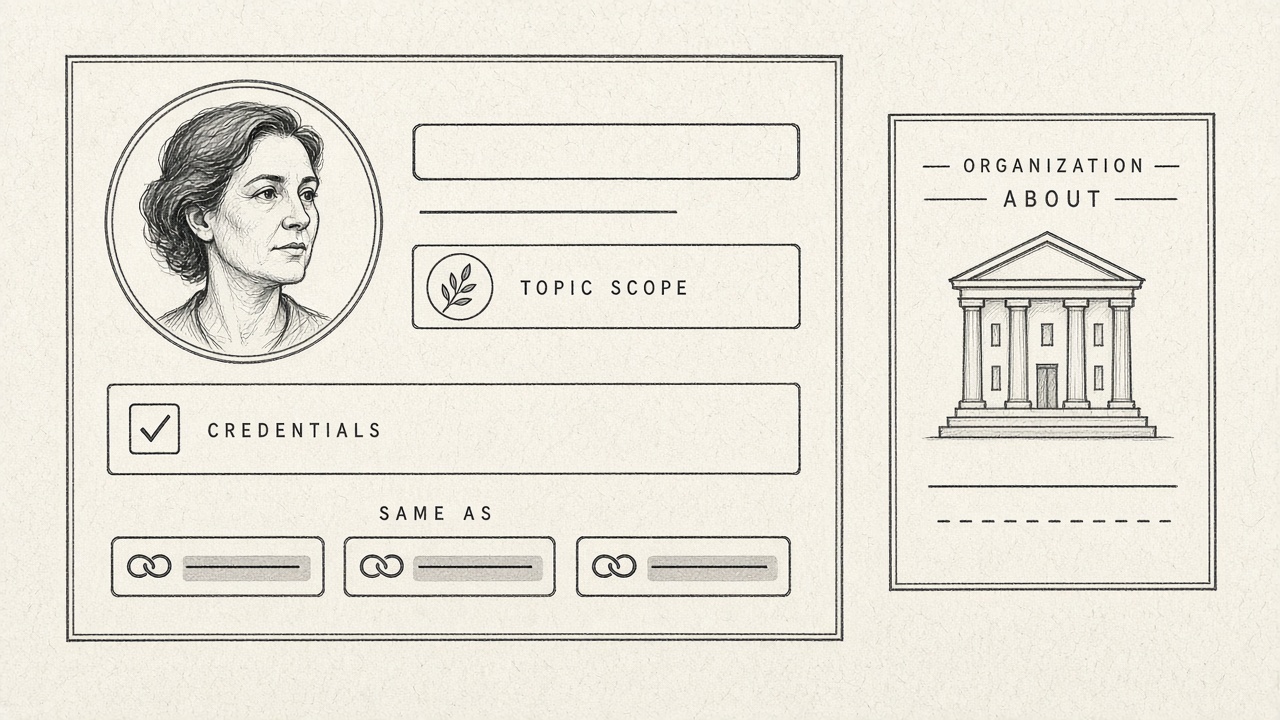
For SEO, an author page should include a real name, a real photo, the topics this person actually covers, checkable credentials, and links to profiles that already exist. That page is one accountable creator. An About page is the site or organization—link both when they answer different questions, and do not reuse one URL for both jobs.
Across the top six cited agency blogs Seer reviewed, the same six byline pieces recurred. Put them on the page in that order, and only after a real person has signed them.
Skip slogan bios, stock expertise lists, and credentials nobody can look up. If that is all the template has, the byline is not ready to ship.
Fail closed — An author page is a checkable person; an About page is the organization. Do not publish a byline that fails either test.
Does Google Require an Author Page, Author Schema, or E-E-A-T?
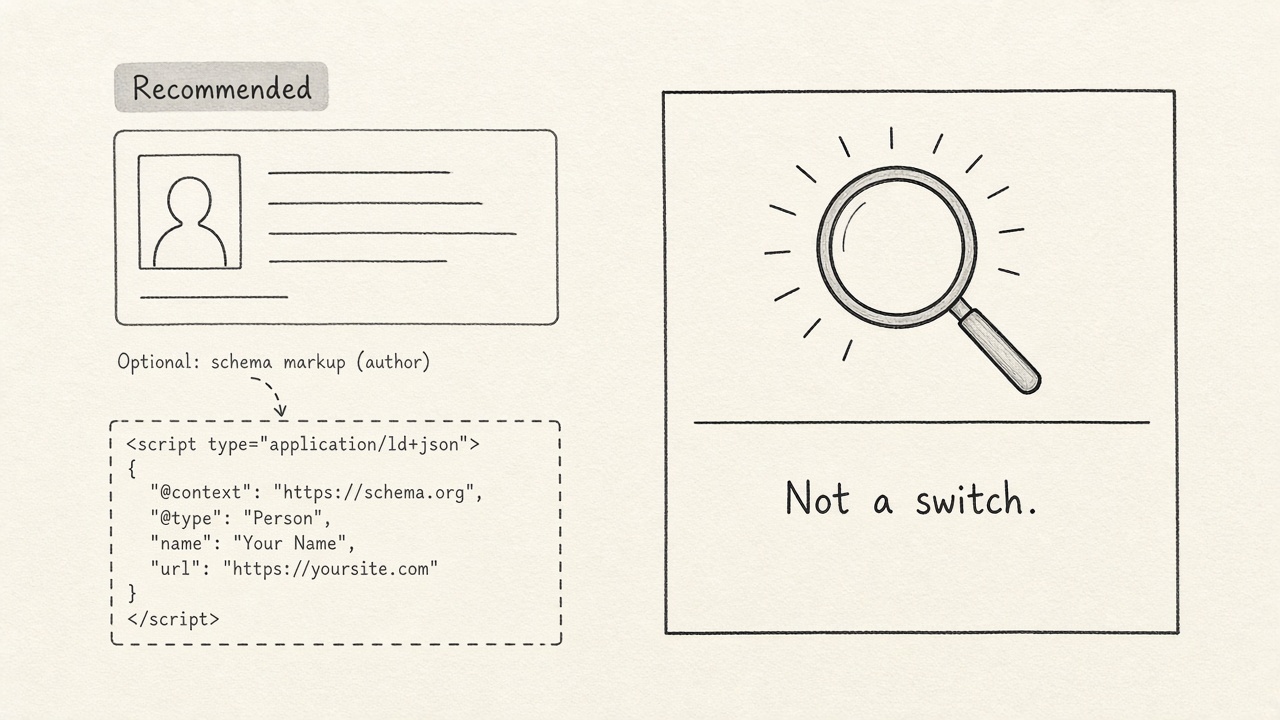
No. Google does not require an author page, and Article structured data has no required properties. Author, author.name, and author.url are recommended, and an internal author URL should be marked up with profile-page structured data. Google’s Article documentation, last updated 8 September 2026, stops there — those author properties are recommended, not required.
Build the page because readers and your own publish gate need a real person, or the organization, to stand behind the byline. E-E-A-T is not a specific ranking factor. Trust is the most important of the four, and a page does not have to demonstrate all of them. An author URL does not replace original effort on the article, so the template is accountability, not an E-E-A-T hack.
What Counts as a Fake Author Profile — Including an AI Headshot?
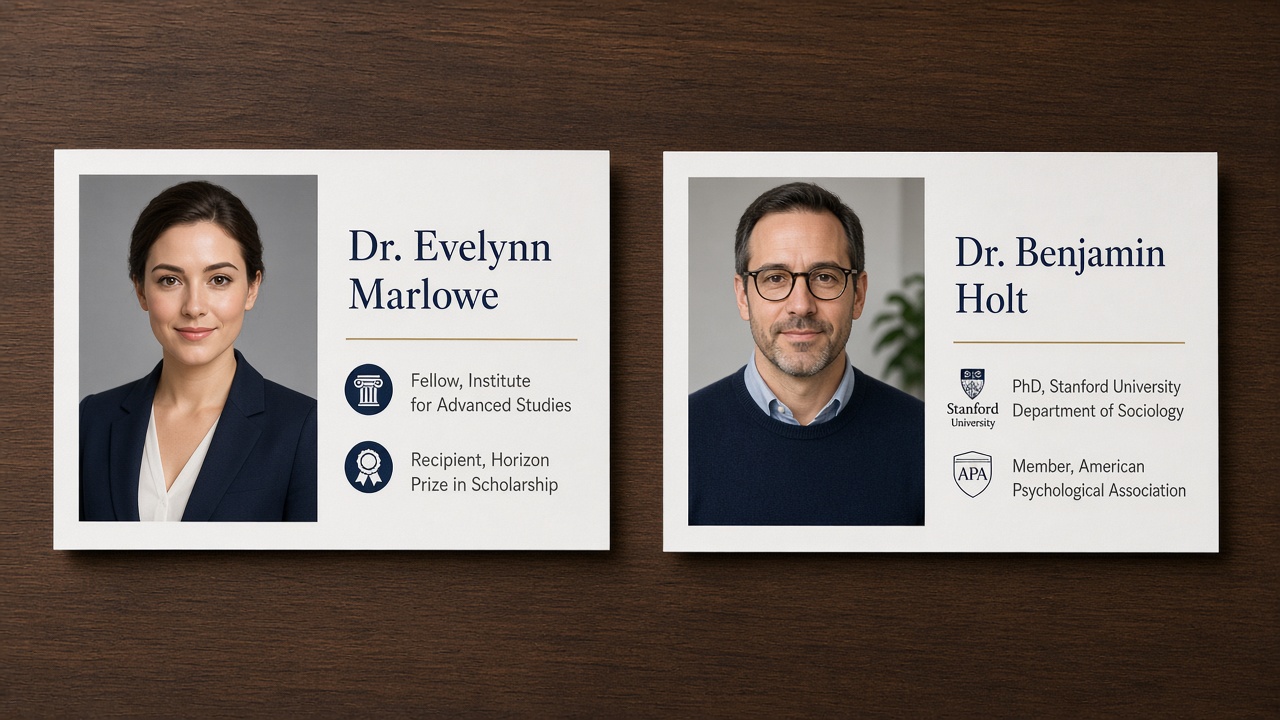
Not requiring an author page is not a license to invent one. A fake profile is a made-up name, an AI-generated headshot, or a credential the person does not hold. Google’s helpful-content guidance, updated 5 October 2026, treats that fabrication as deception and a low-quality signal: “Any form of deception makes a page untrustworthy to both users and our automated quality systems, and is a signal of a low-quality page.”
Do not use an AI headshot even when the bio text is otherwise true. No real photo means no personal byline. False job history, borrowed awards, and expertise the person has never worked in are the same failure, not a styling choice.
The fix is not a better prompt. Ship a real person, the organization, or no byline at all.
Fail closed — A made-up name, an AI headshot, or a credential the person does not hold is deception — use a real person, the organization, or no byline.
Should the Byline Be a Person or the Company?
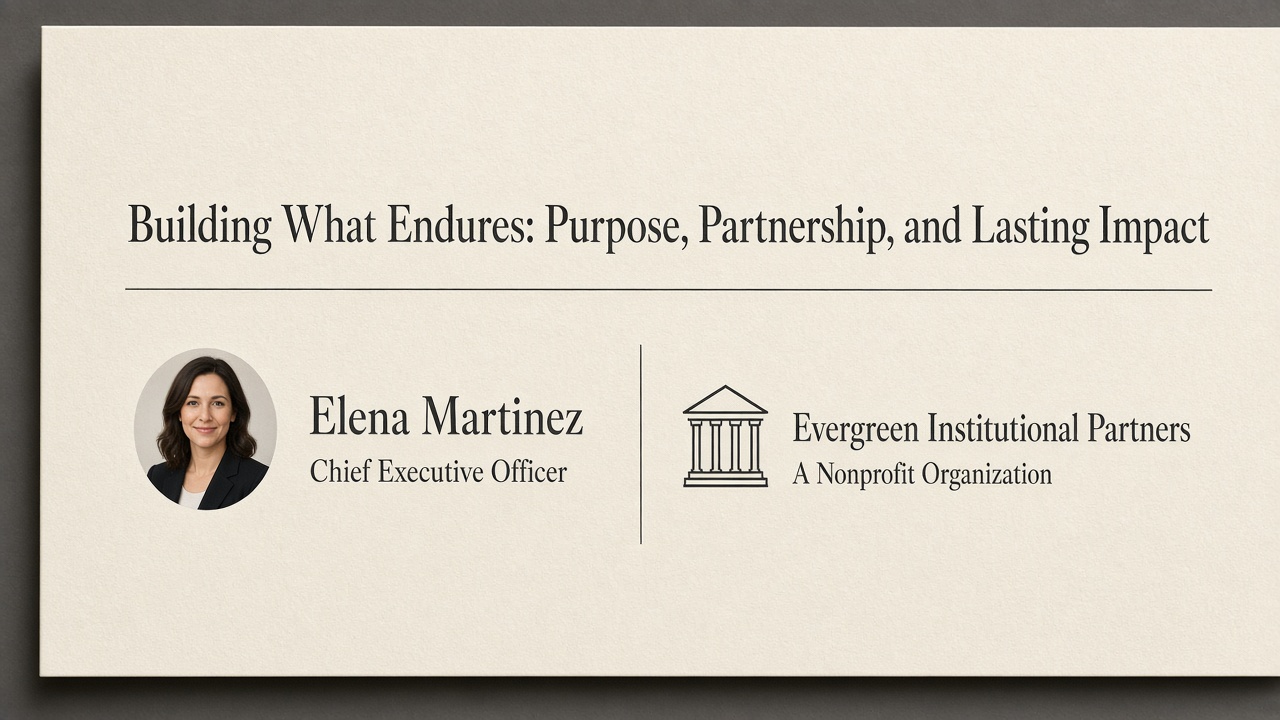
Byline a person only when that person will stand behind the piece. If nobody will, byline the company and point sameAs at the organization. The accountable author is a real person or the organization — never the model that drafted the page.
author.name holds the name only. Google’s Article guidance is explicit: “In the author.name property, only specify the name of the author. Don't add any other piece of information.” Put the role in jobTitle. List every visible author as a separate Person, and use url or sameAs for the profile or the company. Do not use the Thing type, and do not mark a person as an Organization.
Visible byline text and schema must match. A company byline paired with a fake Person node is still a fake profile, and it should not ship.
Who signs — Sign the byline as a real person who will stand behind the piece, or as the company. author.name is the name only; the role belongs in jobTitle; schema has to match what readers see.
Do Bylines Need to Link to a Dedicated Author Page?
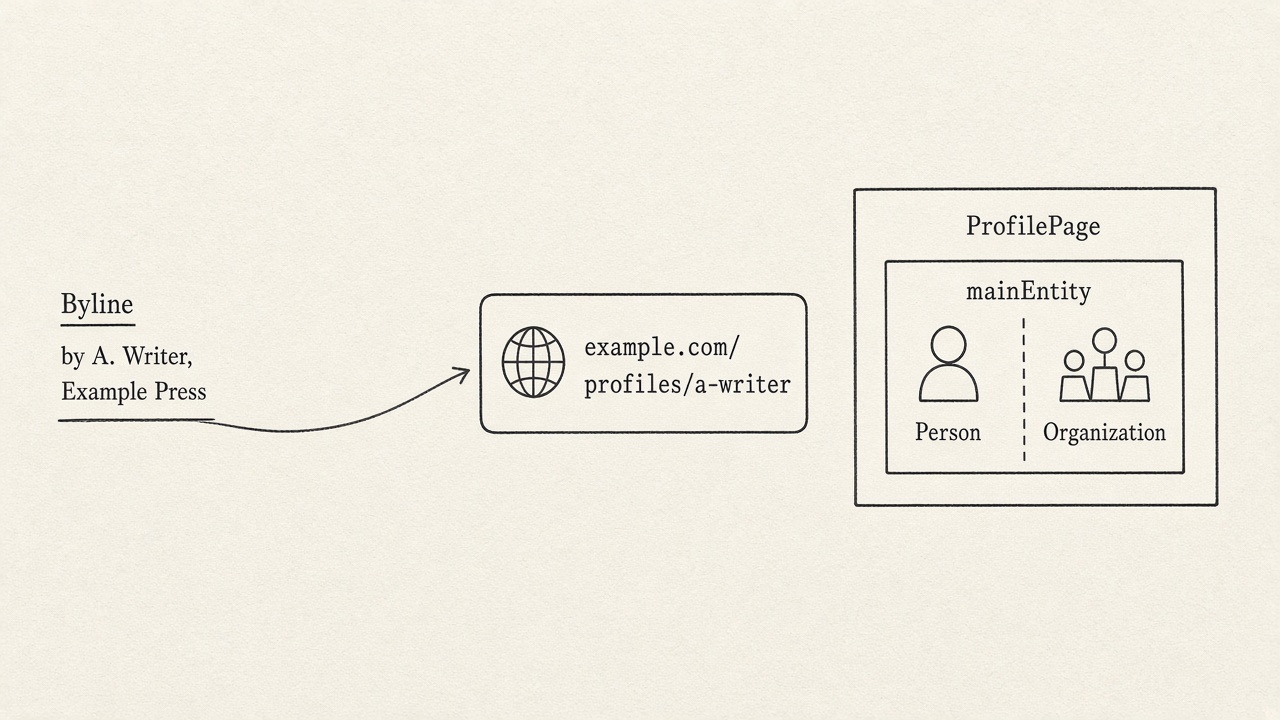
Once the byline is a real person or the company, link it when readers would expect more about who wrote the piece. Google’s expertise self-check looks for clear sourcing and background about the author or the site, such as an author page or an About page. It does not demand a unique profile for every name.
If you use an internal author URL, mark that page as a profile page. A bare /author/ slug with no entity is not enough. ProfilePage fits sites where creators share first-hand perspectives, including an author page on a news site, and mainEntity — a Person or Organization — is required. Do not emit ProfilePage on a template whose main entity does not exist yet. Naming questions belong in the site’s entity SEO guide, not in an invented node.
Fail closed — Link the byline when readers would look for background, and only mark a profile page when its Person or Organization already exists.
What a Human Must Fill In, and What the Stack May Stamp
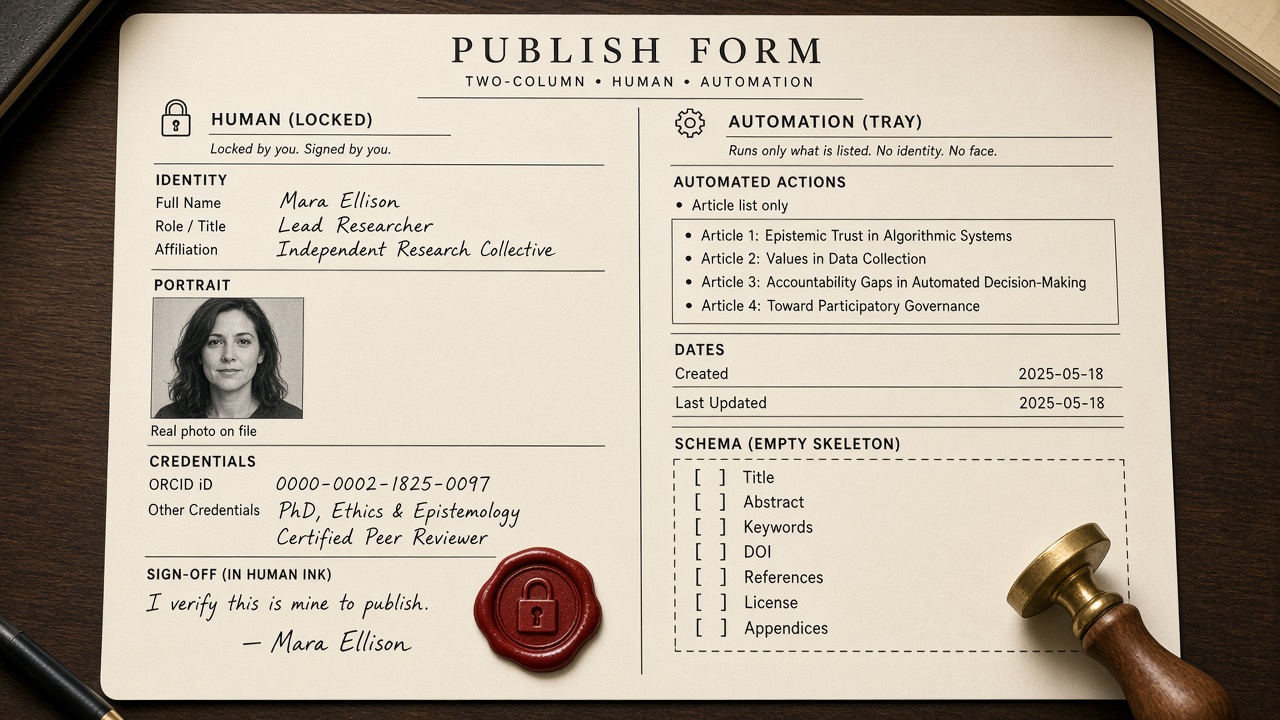
What remains is a hard split. A human owns the legal or public name, a real photo, checkable credentials, topic scope, accountability, and a sign-off that this person or the company will answer for the page. The stack may stamp only the article list, published and updated dates, and a schema skeleton — and only after those human fields exist. Empty identity means the byline does not ship.
Disclose AI help near the byline when a reader would reasonably ask how the page was made. Name the accountable person or organization, not the model. Google notes that AI or automation disclosures are useful where someone might think “How was this created?”
Mass generation without oversight or curation is little to no original effort, and crediting sources does not replace that effort. The page still has to exist primarily to help people — Google calls “Why” perhaps the most important question about content — which is the same gate as the site’s automated-post quality rules. Leave source notes, date checks, and sensitive-topic refusals to those sibling checklists; this template only decides the byline.
Fail closed — A human signs identity, photo, credentials, scope, and accountability; the stack may stamp lists, dates, and schema only after that sign-off, and AI help is disclosed beside a real person or the organization, never as the author.
When a Lean Publisher Should Refuse a Byline
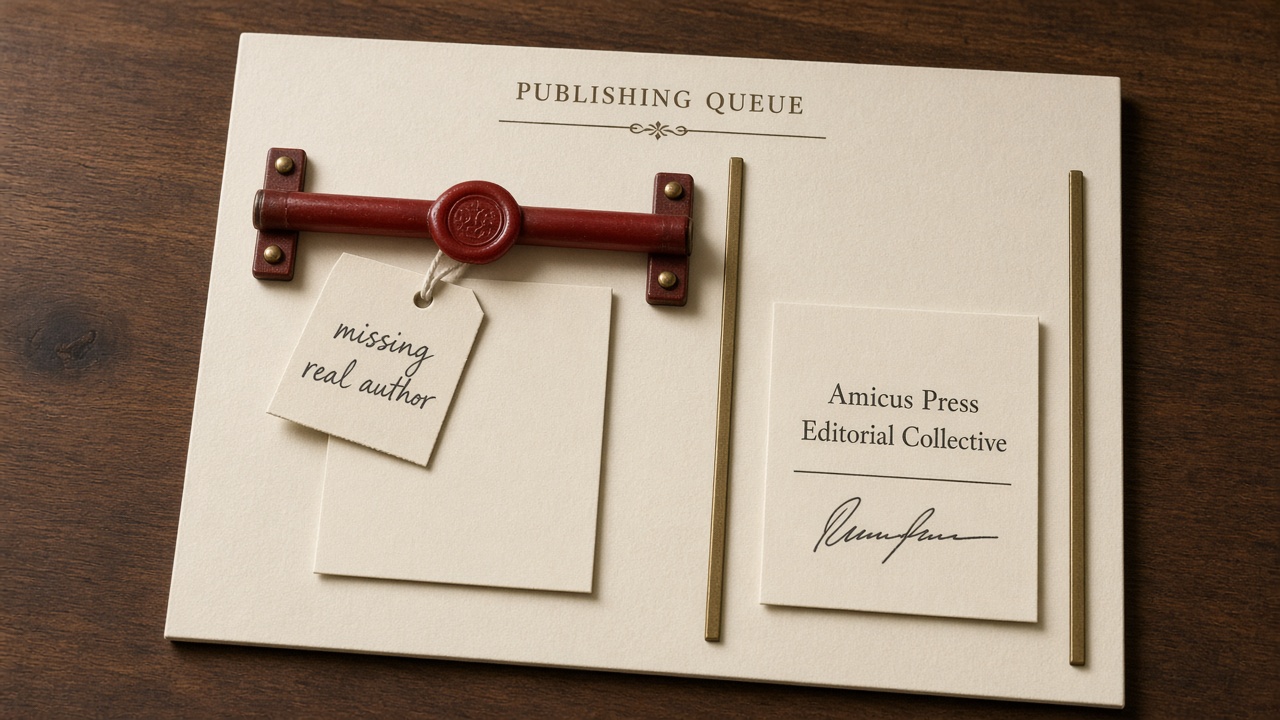
Once the human fields are missing, do not ship a placeholder. Hold the URL if there is no real person, the name is invented, the photo is synthetic, or a credential cannot be checked. Do not publish under that byline.
Automation does not soften the hold. Using automation, including AI generation, primarily to manipulate search rankings violates Google’s spam policies. A polished author template does not make that use acceptable.
Fail closed is the operator rule: an organization byline only if the company is truly accountable, otherwise no byline and no publish. Tie that hold to the same uniqueness and quality gates used for programmatic and autoblog pages, so a missing author is a stop, not a warning.
Do Author Bylines Increase AI Citations?
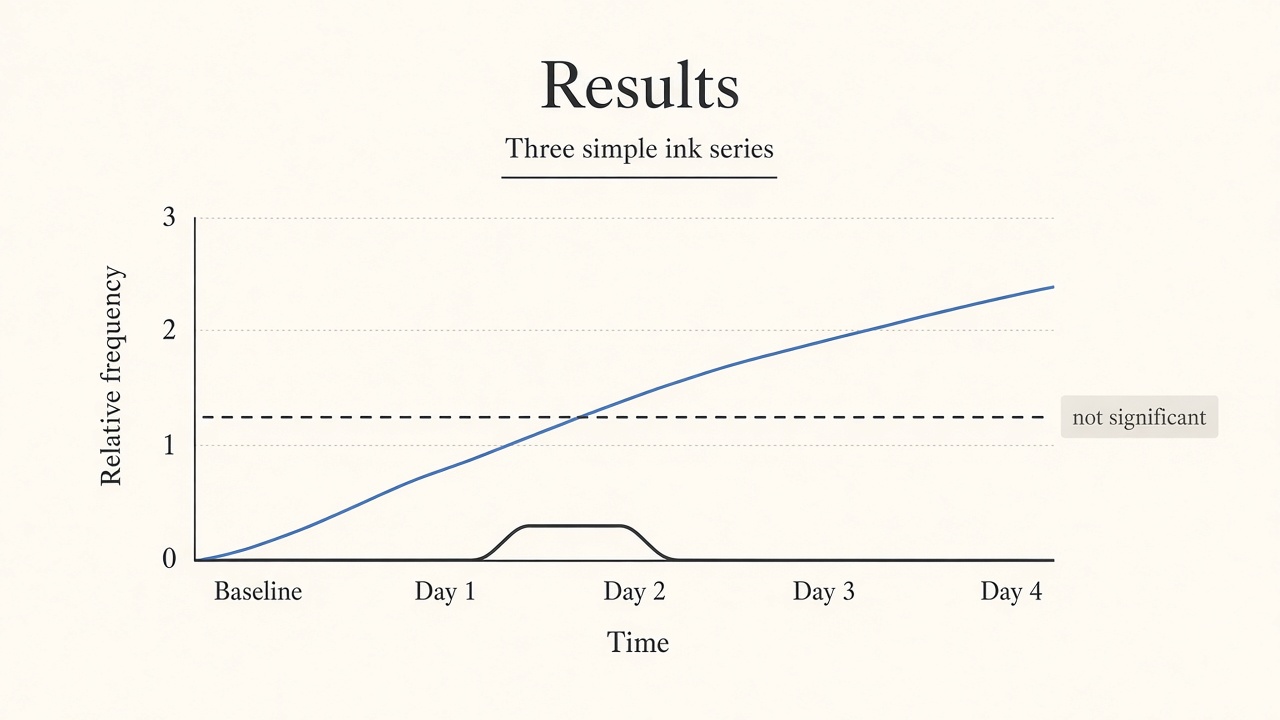
No. Do not sell an author byline as a ranking or citation hack. The useful public test is mixed and inconclusive.
Seer Interactive added detailed bylines to 123 blog pages. Googlebot hit treated pages 11.7 percentage points harder than the control, then returned to baseline.
In Bing Webmaster Tools AI citation data, treated pages roughly doubled period-over-period versus about a 34 percent gain on the control. Of treated pages with prior citations, 44 percent improved versus 27 percent of control pages. AI Overview differences were not statistically significant. In the same Bing slice, least-known authors showed a 113 percent citation gain and the best-known author’s pages 21 percent, with only a handful of pages per tier. Seer called that result inconclusive.
Use a byline so a reader can see who is accountable. Citation odds still depend on the page being worth citing — the entity and naming job, not the byline widget.
Not a hack — A real byline shows accountability. It is not a reliable way to buy rankings or AI citations.
Bing AI citation gains (%)
Key Takeaways
Hold the author URL until a real person or your organization can sign the identity fields, then let the stack stamp only what those humans have already approved.
Frequently Asked Questions
You Might Also Like
- Governance E-E-A-T for AI-Written Pages: What a Lean Publisher Must Show Before Publish
- Publishing Flows for SEO Publishing: What the Stack Automates vs What You Still Own
- Workflows Who Signs Off an Automated Article? Roles for Lean Teams
- Strategy Entity SEO for Publishers: What to Name on the Page So Engines Can Cite It
- Governance Publishing Governance Checklist Before an Automated Article Goes Live