When to Kill a Cluster That Is Not Compounding

An automated publishing stack will keep briefing a topic cluster long after the cluster has stopped compounding. New spokes go out, queries stay split, and the pillar never becomes the page that owns the intent. A content pruning strategy is the verdict that stops that loop — not a mass delete, and not a freshness stunt.
Google scores helpfulness mostly at the page level, but site-wide signals still apply. Search Central has said that relatively high amounts of unhelpful content can cause other pages to perform less well, and that removing unhelpful content might help the pages you keep. The same guidance is explicit that deleting older pages mainly to look fresh will not improve rankings. The job is to judge whether the cluster is still a path to the intent, not to thin the archive for appearance.
The kill decision is a cluster decision, made on at least twelve months of clicks, queries, and conversions. If that window shows near-zero demand, split queries, and no realistic path to own the intent, the operational move is fail-closed: hold new briefs, consolidate overlapping URLs, preserve anything with links, and measure the survivor before automation is allowed back in.
- A content pruning strategy is a per-URL verdict — update, merge, redirect, or remove — not a wipe of the archive.
- Kill the cluster, not a single weak post, when twelve months show the pillar and spokes are not compounding.
- For an automated stack, fail closed first: stop new briefs into that cluster before you delete anything.
- Consolidation of cannibalizing spokes is usually higher leverage than removal; linked URLs get a redirect, not a 410.
- Do not prune a cluster in its first year, and do not expect pruning to replace links on a small or low-authority site.
What Is a Content Pruning Strategy, and How Is Decay Different from a Cluster That Never Ranked?
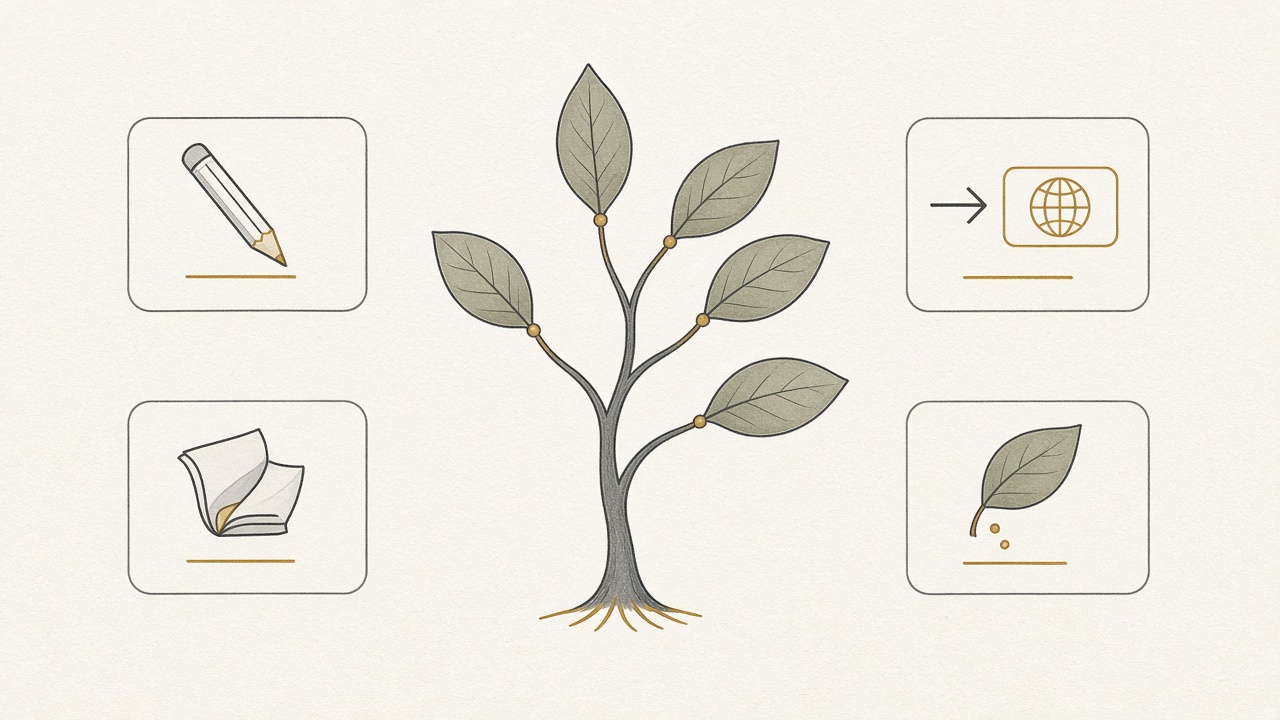
A content pruning strategy is a verdict per URL—update, merge, redirect, or remove—not a mass delete to make the site look cleaner.
Most audited pages need a refresh or a merge. Outright removal is the minority case: IndexCraft’s pruning audits put pages worth removing entirely at only 5–10%, and across 47 audits since 2024 removal was never the right call for more than 12% of a site.
Content decay is a URL that once earned rankings, links, or traffic and then slipped. A cluster that never ranked never owned the intent: no query concentration, no links, no conversions, and no path to a single winning URL.
Decay can justify an update of a page you still want. A cluster that never compounded is a stop on new URLs, not a prompt to publish more spokes. Keyword clustering and pillar sizing belong in their own guides; pruning only asks what to do with the URLs you already have.
Verdict, not cleanup — Prune by verdict—update, merge, redirect, or rarely remove. Decay can earn a refresh; a cluster that never owned the intent should stop new URLs, not spawn more spokes.
When Should You Kill a Topic Cluster Instead of Publishing More Spokes?
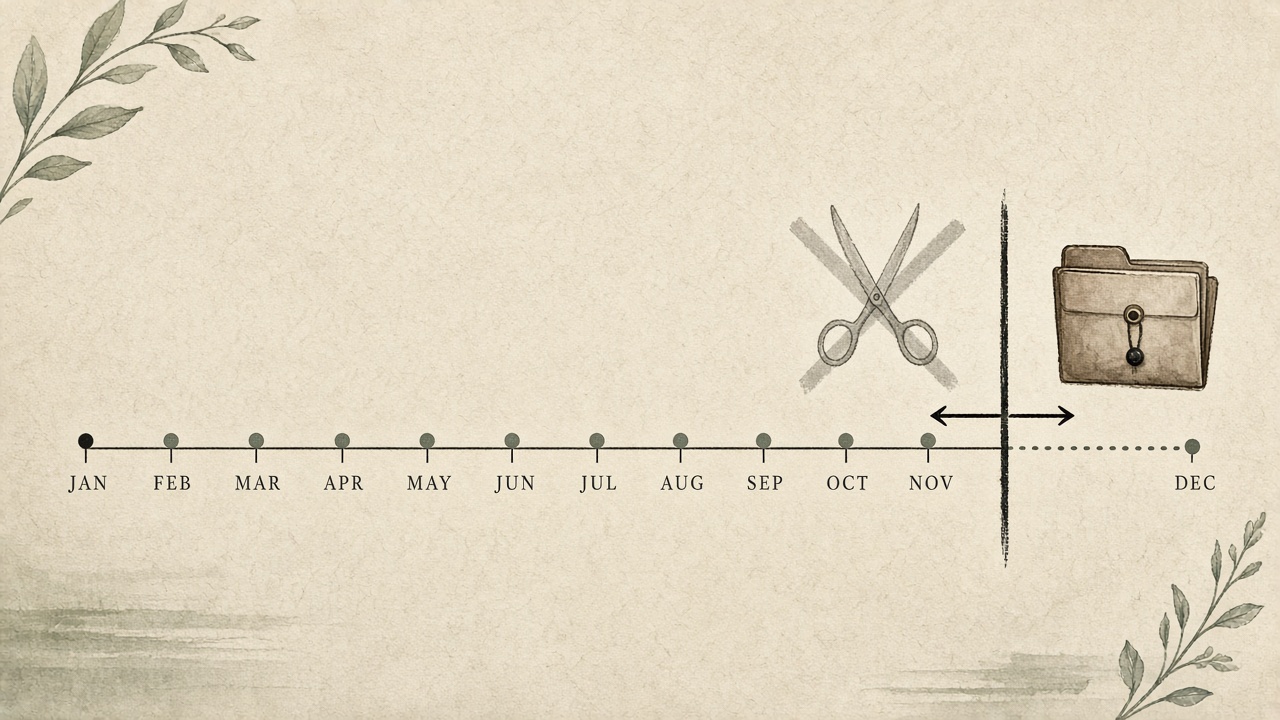
A cluster that never owned the intent is not a brief queue. Kill the whole cluster, not one weak post, when about twelve months show the pillar and its spokes are not compounding: near-zero clicks, queries split across URLs, no conversions, and no realistic path to own the intent. Do not judge a new cluster before that year. Cluster size and the pillar map already live in those guides; more spokes only dilute the same intent. This is the stop rule.
The stop rule — Kill the cluster after twelve months of non-compounding, hold new briefs, and refuse any prune verdict before pages have had 12 to 18 months to rank.
Which Search Console Metrics Show a Cluster Is Not Compounding?
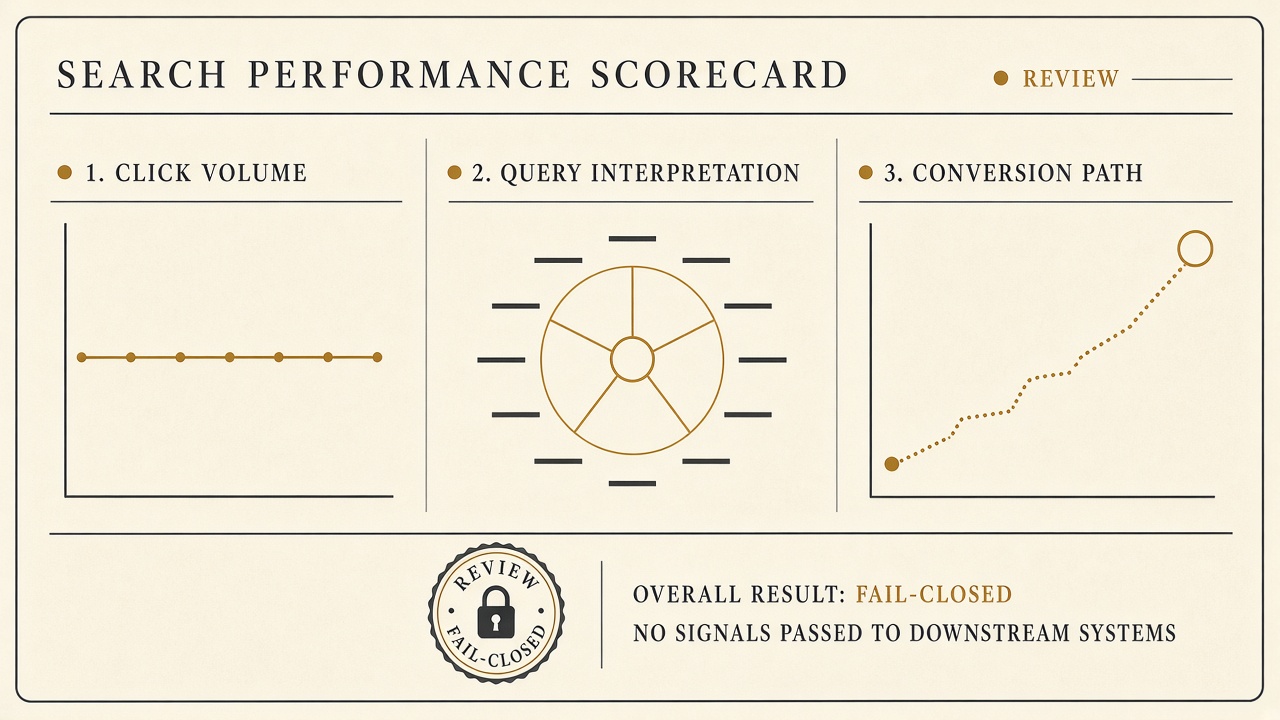
With the twelve-month gate already open, judge the cluster as one unit in Search Console: clicks, impressions, average position, and query overlap for the pillar plus every spoke. It is not compounding when clicks stay near zero, impressions do not rise quarter over quarter, the same queries rank on several spokes, position never tightens on one URL, and conversions are absent.
One quiet URL is not the kill signal. In an Ahrefs study of about 14 billion pages, 96.55% get no Google traffic, so the cluster trend is what matters. Seer flags minimal SEO value at or below 50 organic sessions, 50 impressions, 5 referring domains, and 14 ranking keywords. Treat that floor as a flag, confirm the whole cluster has no path to own the intent, then export the query report and mark cannibalized queries before anyone writes another brief.
Cluster trend — Twelve months of near-zero clicks, flat impressions, split queries, and no conversions mean the cluster is not compounding—one quiet page is not enough to kill it.
Delete, Merge, Redirect, or Update: What to Do with Weak Cluster Pages
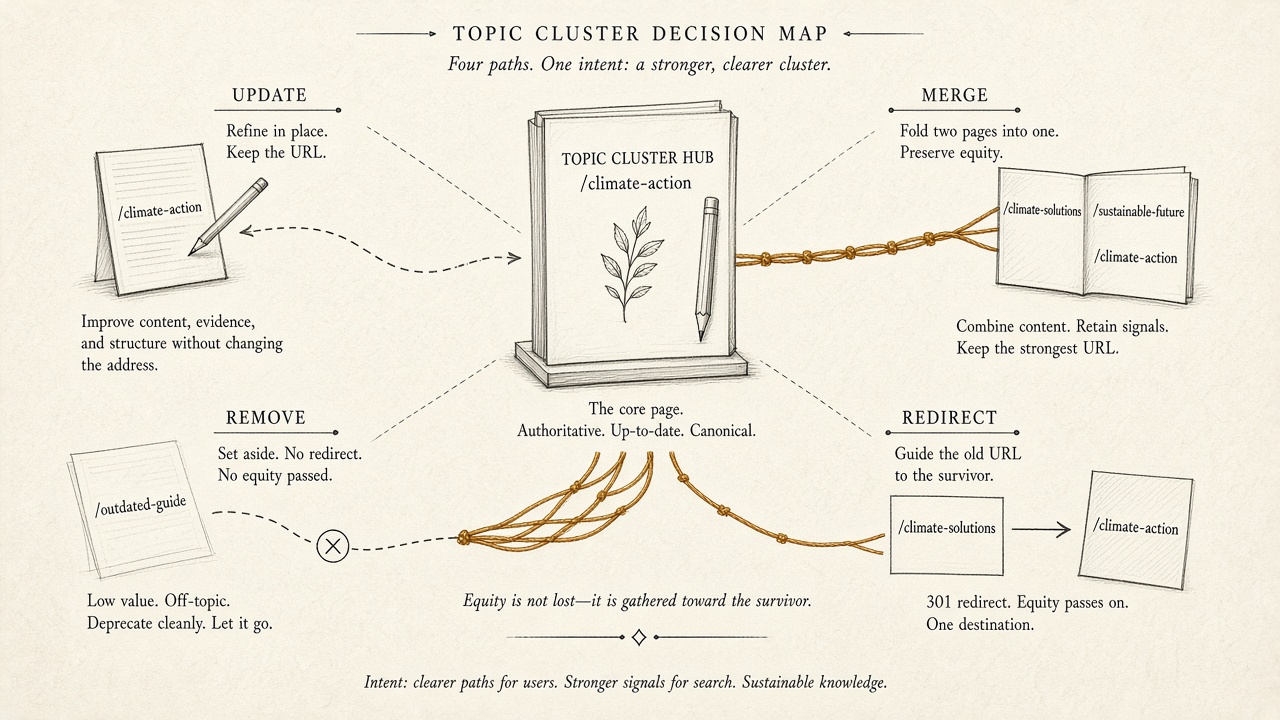
The query export already marked which spokes fight each other. The next step is a verdict per URL, and the default is merge, not delete. Overlapping spokes dilute authority; consolidating them puts relevance, internal links, and backlinks on one URL. Three weak posts on one subject rarely outrank one comprehensive overview.
- Keep URLs with 100+ clicks a month.
- Update the 10–100 click band so the page can still earn the intent.
- Reserve a 410, and pull the URL from the sitemap, only for pages with no traffic, no links, and no topical fit.
- Send any page that still has backlinks with a 301 to the surviving pillar or closest parent. Do not 301 junk to the homepage.
A large marketplace treated no click in 12 months as dead content and noindexed 600,000 pages. Treat that as a scale example, not a template for a lean editorial cluster. On consolidation work, resolving cannibalization produced an average 8.4-position gain for the surviving page within 4–6 weeks. A rewrite-and-focus program, not a pure delete, lifted Buddy Punch from about 28,000 to 93,000+ monthly organic visits after rewriting 85 posts and adding 48. If the intent is still yours, update or merge. Remove only when the URL has no equity and no fit.
Merge first — Consolidate cannibalizing spokes onto one URL, 301 pages that still have links, and 410 only the zero-equity, off-intent leftovers.
Does Removing Unhelpful Content Help the Rest of the Site Rank?
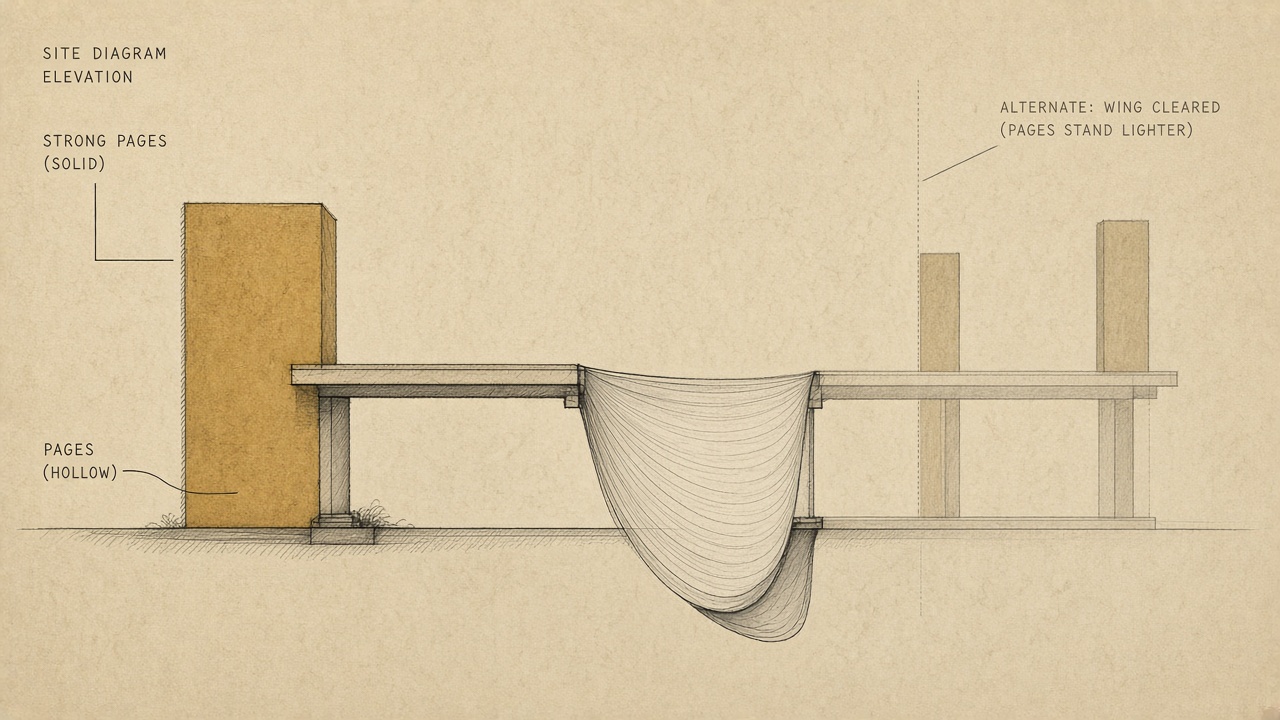
That remove verdict only pays off if the cut helps the pages you keep. Yes, sometimes — and not if the goal is merely to look fresh. Google's core systems mostly score helpfulness at the page level, but a high share of unhelpful content can drag other pages.
Removing unhelpful content might contribute to your other pages performing better.
— Google Search Central
You do not have to wait for a core update to see that change. The 2022 helpful content announcement said content on a site with a lot of unhelpful content is less likely to perform, which is why removal can help what you keep. An insurance site that had declined an average of 17.3% year over year for five years reversed that trend to +23% after pruning about 14,000 low-value and duplicate URLs. Adding or removing a lot of content mainly to make a site look fresh will not improve rankings. Delete for unhelpfulness and duplication, not for a freshness costume.
Remove for quality — Unhelpful or duplicate pages can hold the rest of the site back; deleting older content just to look fresh will not lift rankings.
When Pruning Is the Wrong Move for a Small Site — and How Programmatic Pages Differ
A cleanup that helps a bloated site will not rescue a small or low-authority one. Pruning is the wrong move under about 100 pages, and when Domain Rating is under 30: those sites still need links, and deletion is not a substitute. Refresh a non-ranking page that is still topically relevant inside an otherwise healthy cluster; do not remove it.
Programmatic SEO pages should be pruned differently from editorial spokes. Treat them by template and index bloat: noindex or 410 thin, duplicate, or parameter URLs that were never meant to rank, rather than hand-rewriting thousands of rows. Editorial spokes with a unique intent get merge or update first, and earn a 410 only with no traffic, no links, and no fit. How the URL was briefed stays in the programmatic-versus-autoblogging routing guide; this only changes the prune rule by page type.
Wrong move — Pruning will not replace links on a small or low-authority site, and a relevant page inside a healthy cluster should be refreshed, not deleted. Programmatic bloat is a template decision; editorial spokes still get merge or update first.
How to Stop New Briefs on a Dead Cluster — and Which Links to Change

With the per-URL verdicts already set, the remaining leak is the queue. Stop an autoblogging queue from briefing a dead cluster with a fail-closed hold: mark the cluster closed so the next calendar slot cannot generate a brief, a draft, or a URL.
Google treats mass publishing across many topics, and extensive automation used that way, as a search-engine-first warning sign. A dead cluster that keeps receiving briefs is that pattern.
After the hold, merge cannibalizing spokes into the survivor and keep the slot closed until that URL is measured. Do not refill the cluster to hit a spoke quota.
Internal links that must change are any in-body or module link to a removed spoke, the pillar’s spoke list, related-post blocks, nav or hub links, the cluster map, and sitemap entries. Point equity links at the surviving URL and remove links to 410s. The pillars-spokes-internal-links guide covers the healthy pattern; this is only the post-kill change list.
How Often Should a Lean Team Review Clusters, and Did the Prune Improve ROI?
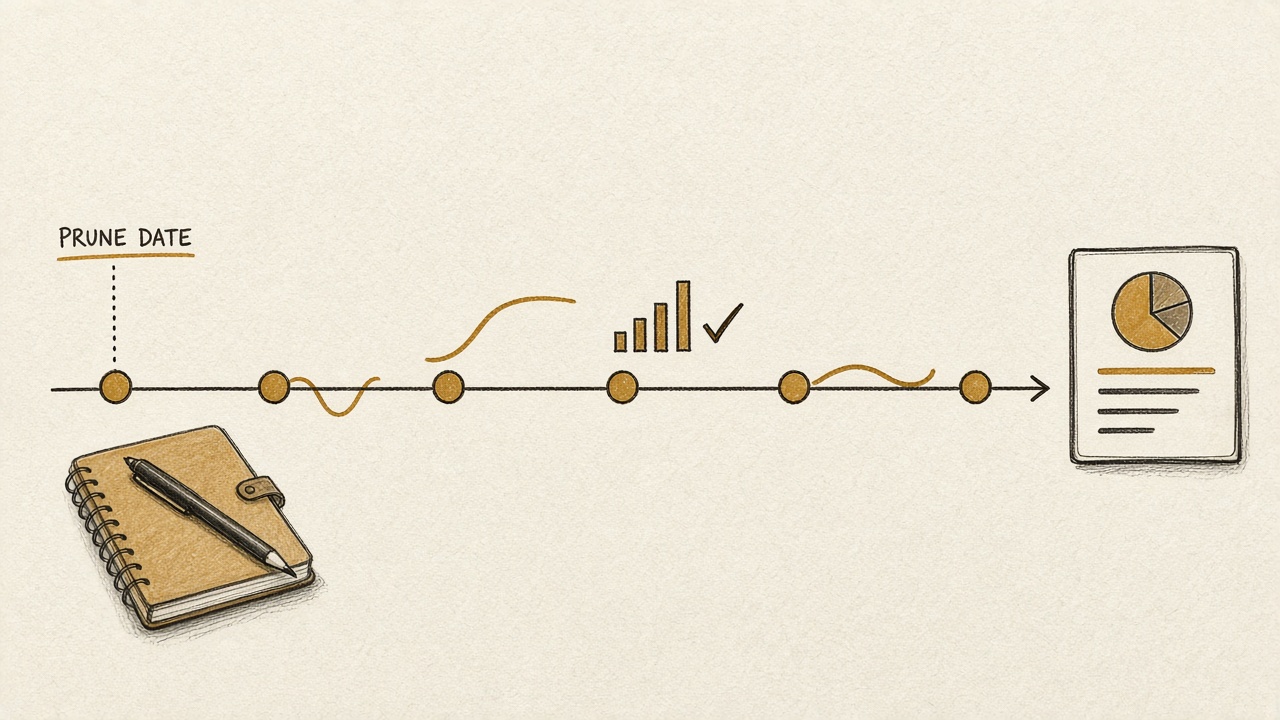
Once the cluster is closed and links point at the survivor, a lean team does not need a monthly page-by-page audit. Review active clusters every 3–6 months, and run a quarterly scorecard on the ones still on the calendar.
Measure content marketing ROI on the survivor against the pre-prune baseline: clicks, impressions, average position, query concentration, conversions, and whether crawl attention moved to pages that matter. Do not score deleted URLs as lost traffic you meant to drop.
Treat those large-site lifts as a ceiling, not a promise for a small editorial cluster. Reopen the publishing slot only if the survivor is compounding. If the scorecard is flat, keep the hold.
Score the survivor — A quarterly scorecard on the survivor — not deleted URLs — decides whether the slot reopens. Flat means the cluster stays closed.
Key Takeaways
Export twelve months of Search Console data for the cluster, mark it closed if it is not compounding, and score the surviving URL before the publishing calendar is allowed to refill the slot.
Frequently Asked Questions
You Might Also Like
- AEO Topic Cluster Strategy: How to Map Pillars That Compound Rankings
- Workflows Content Refresh Calendar: When to Update vs When to Brief a New Page
- Automation Fail-Closed SEO Briefs: The Publish Gate Autoblogging Needs
- Workflows Programmatic SEO or Autoblogging? Route the Cluster Before You Brief
- Measurement SEO ROI for Automated Publishing: How to Prove the Stack Is Working