Striking Distance Keywords: When a Query Deserves a Refresh, Not a New URL
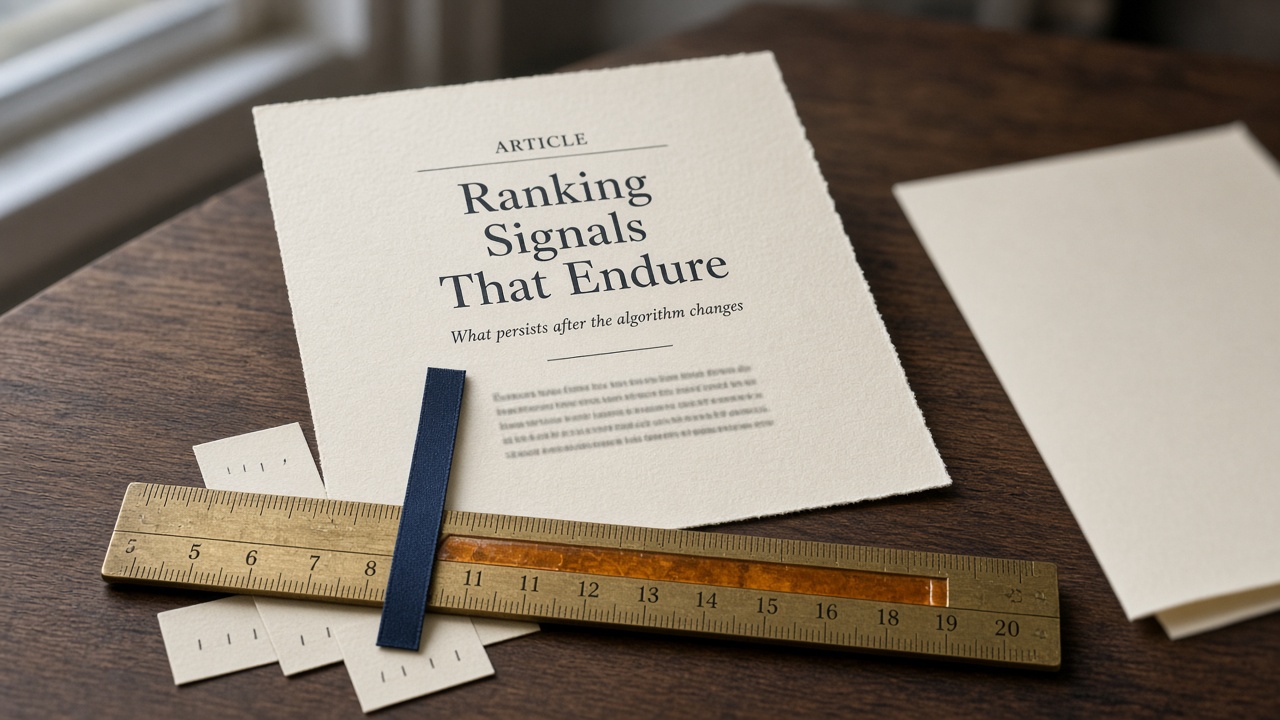
A query in striking distance is not a blank brief. Content Raptor defines the band as positions 5 through 20, and every query in that range already has a URL that Google is willing to show. The decision is what to do with that URL: refresh it, merge a collision, or refuse the new page.
The clicks you are chasing sit above the band, not beside a second slug. Content Raptor notes that positions 1 through 3 get roughly 55% of clicks, while page 2 gets almost none. Navboost, citing seoClarity, finds only 0.63% of searchers click any page-2 result. On Advanced Web Ranking’s July 2026 US desktop curve, click-through from position 6 onward converges below 1%. A new URL does not collect those missing clicks; it splits the signal the current page already has.
Treat Search Console as a gate, not a content calendar. Open the query, then the Pages tab, and brief only after the owning URL is stable. Average position is impression-weighted and records only the topmost impressed link, so a query can look “in the band” while it never sat there. The next section is how to read that row before you touch a headline or a slug.
- Striking distance means a query already ranking, commonly treated as positions 5–20—not an official Google range and not a reason for a new URL.
- Default to refreshing the URL whose intent matches the query; publish new only when the current page ranks for a different question.
- Page-two visibility is not traffic: only 0.63% of searchers click any page-2 result, and CTR from position 6 onward sits below 1%.
- Do not brief from one average position. It can hide a swing between page 1 and page 3.
- Refreshing is about 3x more cost-effective than a new page because the URL keeps links and ranking history.
What Position Range Counts as Striking Distance in Search Console?
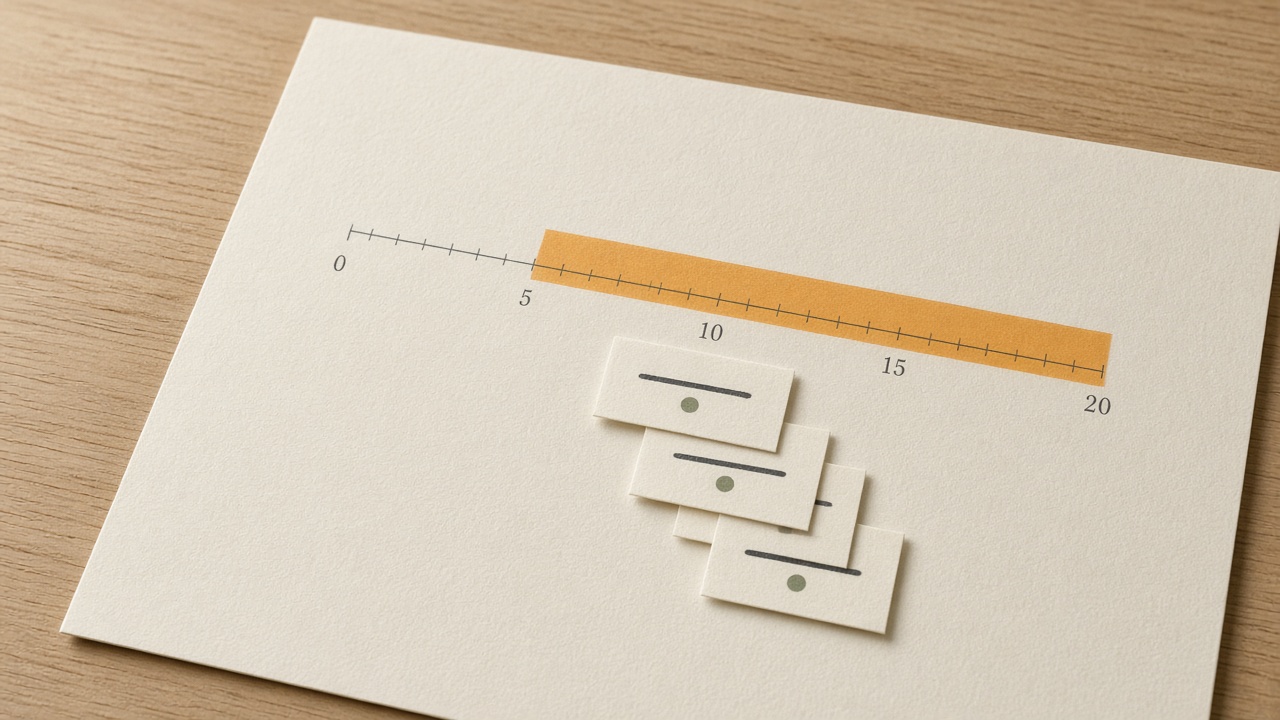
There is no official striking-distance band. Content Raptor’s working definition is positions 5–20. Apply that band in Search Console and keep it.
Navboost, citing seoClarity, also finds that 75% of searchers never scroll past page 1. Content Raptor says shifting a page from position 12 to 6 can multiply that keyword’s traffic 5 to 10 times. The payoff is that move on the URL you already have, not a second slug.
In the Performance report, open Search results and filter Average position to greater than 4—or greater than 10 if you only want page 2—and less than 21. Add a minimum impressions floor so empty averages never enter the list, then keep only pages you can actually update. Do not export the whole property into a brief queue.
One band — Striking distance is a working filter, not an official rank. Choose one band, apply it in Search Console, and spend the effort on the URL that already ranks.
Why average position is not the rank you see
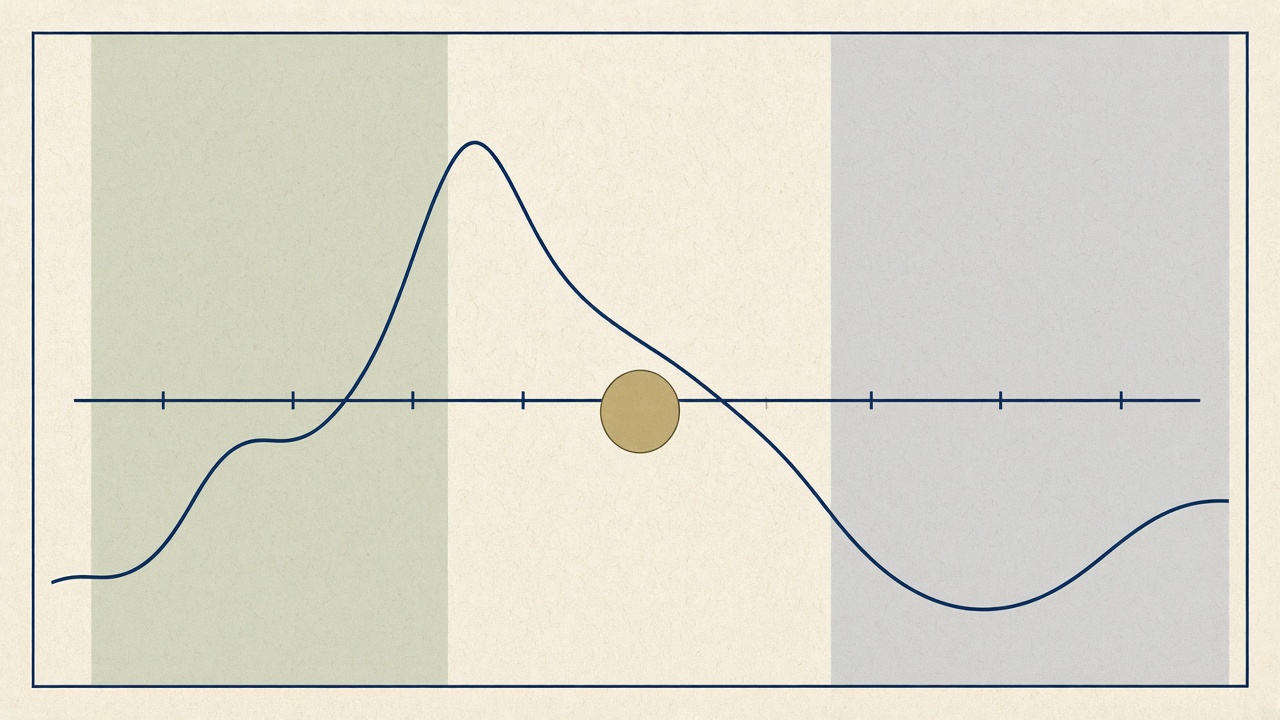
The list that filter returns is still not a live rank. Average position is not the rank in front of you today. Google records the topmost position of a link to your property or page, then averages it across impressions. A result that is not impressed does not record a position.
That average is impression-weighted, so a query can fall into the band even if it swung between position 4 and position 25 and never sat there. Quattr’s warning is the hold rule: an unstable average is not a brief.
Before you trust the list, compare a recent 28-day window with the prior 28 days, or read a three-month view. If the query is bouncing between page 1 and page 3, wait. Do not brief a refresh—or a new URL—on a single noisy average.
A live search is one personalized snapshot. It does not override the impression-weighted row, and the row does not prove a stable rank.
Hold the brief — Treat a striking-distance average as a candidate only after it holds across two 28-day windows or a three-month view. A swing from position 4 to 25, or a one-off search, is not a brief.
When a Striking-Distance Query Deserves a Refresh, Not a New URL
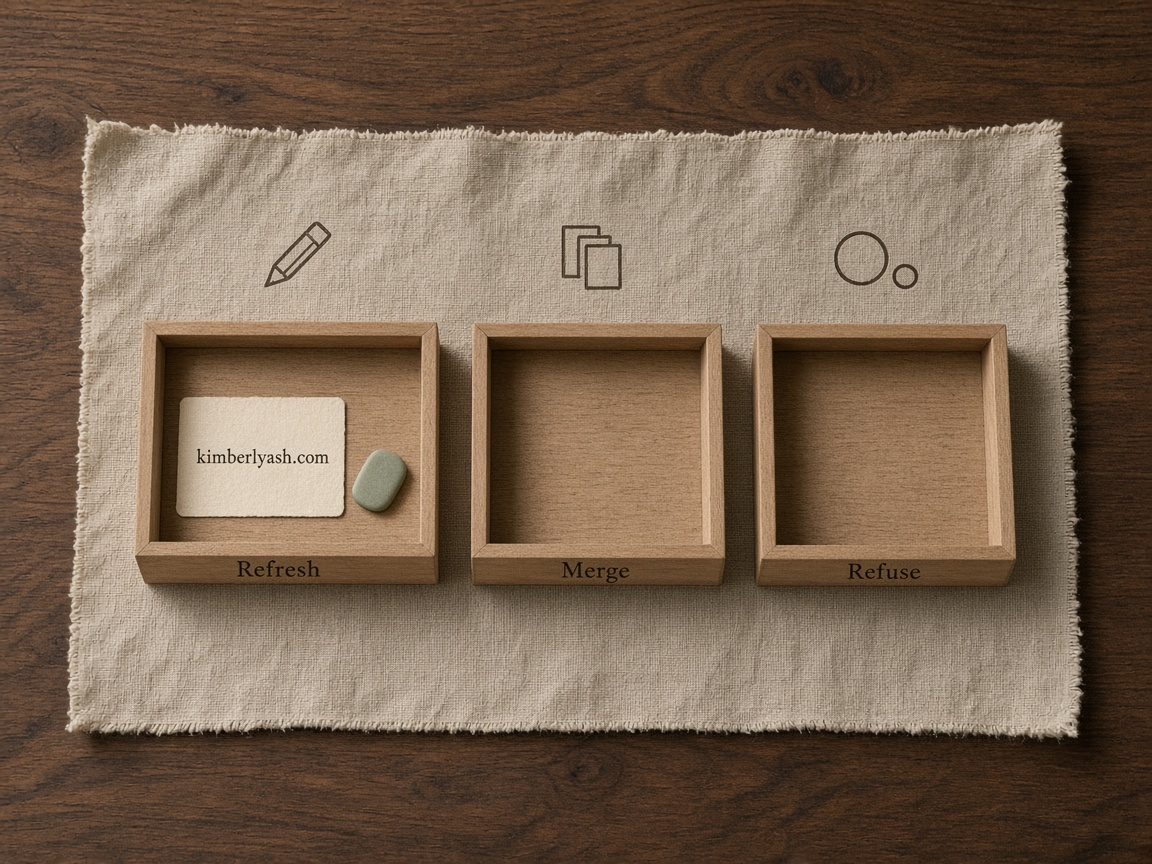
Once the average has held across a stable window, the call is simple: if one URL already matches the query’s intent, refresh that page. A new URL is the exception, not the opportunity.
Brass SEO’s default is to improve the existing page—almost always. A second page on the same topic can cannibalize the URL that already earns the impressions. Analyze AI draws the line by intent, not age: update the page that already ranks or holds links for that question, and publish new only when the angle answers a different question.
Cost sits in the same gate. AirOps finds refreshing is typically about 3x more cost-effective than new content, because the URL keeps its backlinks, authority, and ranking history. Keep that slug unless the topic itself changed.
Freshness is a reason to update that owner, not to spawn a twin. AirOps reports that pages left unrefreshed for over a year are more than twice as unlikely to be cited by AI engines, and pages updated in the last 12 months made up more than 95% of citations across leading brands.
If the ranking page is about a different intent, do not stretch it to cover the query. A new brief is allowed only when the question is genuinely distinct—and it still fails the long-tail thinness test if it cannot stand alone. Fold it into the owner, or refuse it.
The refresh, merge, fold, or refuse table
Copy this gate before you brief. The content refresh calendar is where the update-versus-new-page timing lives; this table only decides the action.
| Position band | Impressions | Owning URL | Intent | Action |
|---|---|---|---|---|
| Inside your striking-distance band | Above your floor | One stable URL | Match | Refresh that URL |
| Inside the band | Above the floor | Two URLs swapping | Overlap | Merge or reassign—no third page |
| Inside the band | Above the floor | Wrong page ranking | Genuinely different, and thick enough | New brief; otherwise fold or refuse |
| Unstable, or below the floor | Too thin to matter | Any | Any | Refuse the brief |
Default — A striking-distance query with a matching URL is a same-URL refresh. Publish new only when the question is genuinely different, and keep the existing slug unless the topic itself changed.
How to check competing URLs—and a snippet problem versus a ranking problem
Open the query, then the Pages tab. One stable URL means refresh that page. Two URLs swapping the query means merge or reassign—not a third page.
Relevant Audience’s rule is one primary query per URL, and update the evergreen URL instead of publishing a new yearly one. A collision is a consolidation job.
On the same row, split clicks from coverage. WebScore’s test: a position-7 query with weak CTR is a snippet or title fix; a position-16 query with real impressions is a content-authority problem on the existing URL, not a snippet problem.
A title tweak will not manufacture page-2 traffic. Do not brief a refresh for a click problem, or rewrite a decaying URL for the wrong reason—use the content-decay checklist. A mismatched URL that only accidentally ranks goes back to the intent exception. Do not add a third URL while two already compete.
Pages tab — One stable URL is a refresh. Two URLs swapping is a merge. Weak CTR near position 7 is a snippet fix; real impressions at position 16 are a coverage problem on the page you already have.
Should You Change the URL or the Year—and Wait, AI Overview or Not?

Keep the URL if the topic and purpose stay the same. A new year in the slug is not a new page, overnight traffic is not the verdict, and an AI Overview is not a reason to publish again. Cape Wired’s operational line is that a new page is for a different intent, not a keyword variation, and retaining the existing URL avoids an unnecessary migration.
Change a visible last-updated date only when the content really changes. AirOps reports that pages with a visible last-updated date earned 1.8x more AI citations. A cosmetic year stamp is not a refresh.
Judge the refresh after 2 to 8 weeks, not the next day. Brass SEO notes ranking changes typically take that long, with title-tag changes showing faster than content expansions. Do not publish a dated twin URL while you wait.
An AI Overview changes the payoff, not the URL rule. In Advanced Web Ranking’s July 2026 US desktop sample, position-1 organic CTR was 20.02% across SERP types and 9.69% with an AI Overview, a 52% cut, on 43% of sampled desktop SERPs. Zero-click was 74.3% on AI Overview SERPs versus 53.6% without one. Still refresh the page that already ranks. Do not spawn a duplicate to chase citations.
Keep the slug — Same topic, same URL. Date the page only when the content changed, judge it after 2 to 8 weeks, and do not answer a thinner click with a second slug.
CTR and zero-click: AI Overview vs not
How to prioritize striking-distance queries before a brief queue

Once the ranking URL stays, sort the brief queue by impressions, one owning URL, and business fit—not position vanity. A position-14 query with thousands of impressions beats a position-8 query almost nobody sees.
A one-person team refreshes a few owning URLs at a time, not the whole export. Each still needs a stable window, a Pages check, and a wait before you judge it.
This queue is not impressions without clicks—a snippet or CTR problem on a row already seen. The Search Console scorecard already turns one row into a refresh, a snippet fix, a new brief, or a refusal; do not rebuild it here. Nor is this a brand-new brief. A new brief needs a distinct question the site does not already answer, and it still has to pass the thin-long-tail test. An intent match never starts as a new URL.
Ship order: stable band, one owner, intent match, then a same-URL refresh brief. Everything else is merge, fold, snippet fix, or refuse.
Queue rule — Brief a same-URL refresh only after a stable band, one owner, and an intent match. Cap a solo operator at a few of those URLs; send everything else to merge, fold, snippet fix, or refuse.
Key Takeaways
Open Search Console, filter average position between 5 and 20 with an impressions floor, and put the queries that already have one matching URL on your content refresh calendar.
Frequently Asked Questions
You Might Also Like
- Measurement Search Console for Content Ops: Queries That Should Become Briefs
- Measurement Content Decay Signals: What to Check Before You Rewrite a Ranking Page
- Measurement How to Prioritize a Content Decay Audit When You Publish Weekly
- Measurement Traffic Drop vs Content Decay: What the Brief Should Capture
- Measurement How to Attribute Rankings to Briefs, Not Just Posts