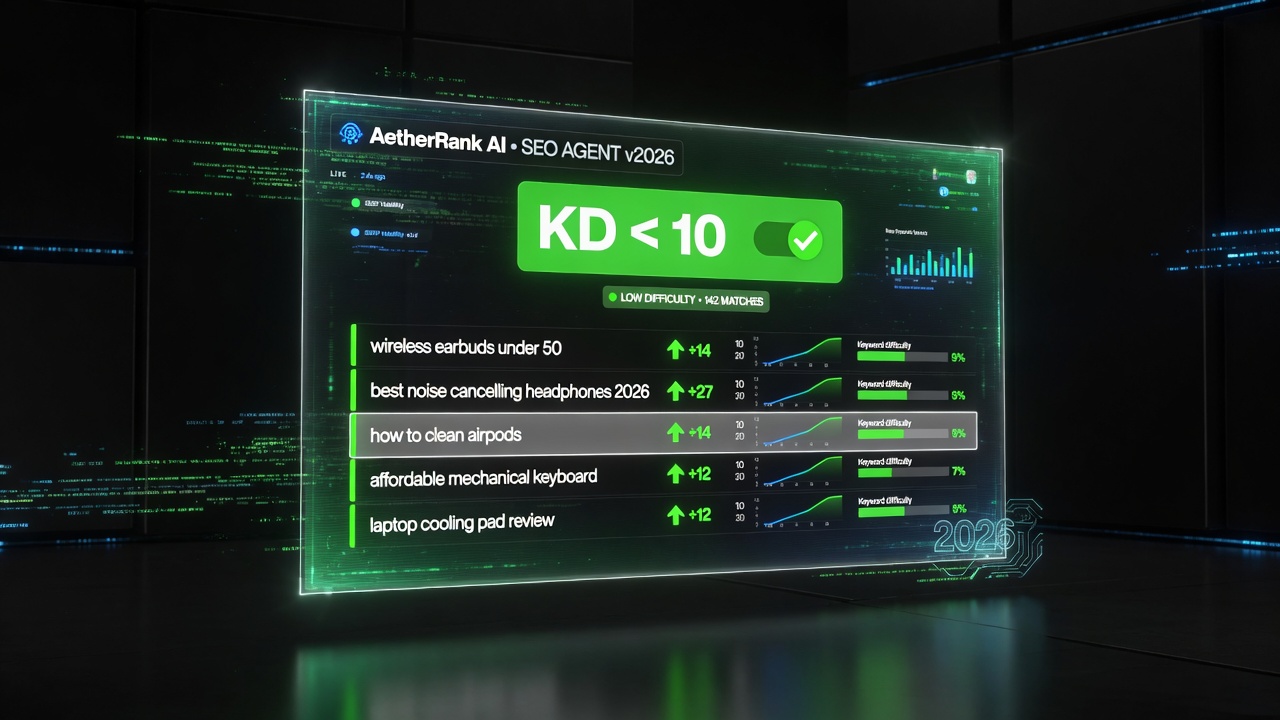
Optimizing Briefs for KD Under 30 Keywords
When scaling organic search traffic through content automation, the bottleneck is rarely production speed; it is strategic targeting. Relying on AI SEO tools to write content for highly competitive terms often results in beautifully written pages that languish on page five of the search results. To build immediate momentum, especially for newer or mid-tier websites, publishing pipelines must focus on low-difficulty targets where authority requirements are minimal.
According to established B2B SEO methodologies, practitioners should target keywords with KD scores below 30 if you're building authority, as these low-difficulty terms represent realistic opportunities to rank within weeks. By aggressively filtering keyword lists to isolate terms with a keyword difficulty under thirty and at least one hundred monthly searches, teams can feed their automation engines with high-yield, low-friction targets. Utilizing tools like the Semrush SEO Brief Generator further streamlines this process by helping you build detailed content briefs using competitor data and real-time SEO insights.
This guide explains how to systematically configure and refine your AI-driven content briefs for low-difficulty keywords. By aligning your automated publishing workflows with validated search intent and competitive content gaps, you can turn low-competition search terms into a compounding source of organic traffic and topical authority.
- 1
Targeting keywords with a keyword difficulty under 30 allows newer or mid-tier websites to rank rapidly and build early topical authority.
- 2
Effective keyword automation relies on filtering search terms for low difficulty and a minimum of 100 monthly searches before generating briefs.
- 3
AI-powered brief generators accelerate production by automatically pulling real-time competitor data and outlining content gaps.
- 4
Combining automated brief generation with manual SERP validation ensures AI-generated content directly addresses search intent.
Why Low-Difficulty Targets Are the Secret to Rapid Topical Authority
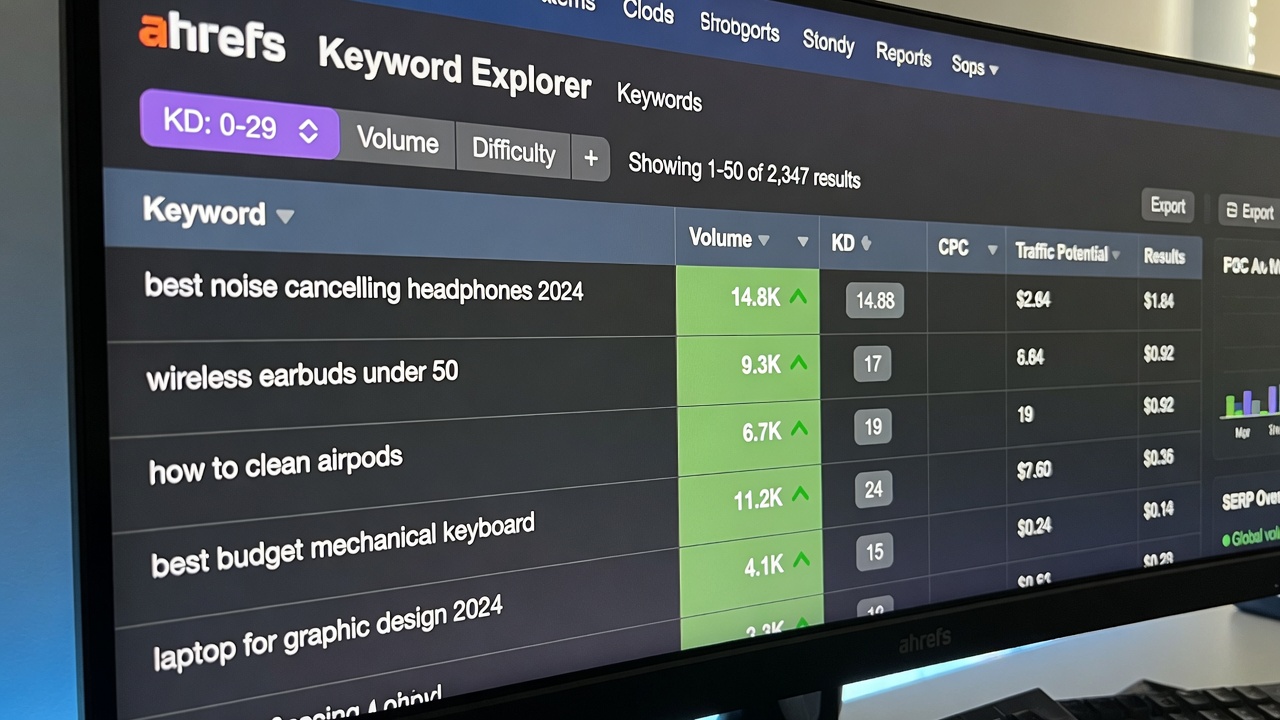
To scale organic traffic without wasting resources on unwinnable battles, automated publishing pipelines must prioritize efficiency. Keyword Difficulty (KD) metrics, typically scored on a scale from 0 to 100, estimate how hard it is to rank on the first page of search results based on the backlink profiles of top-ranking pages. For newer or mid-tier websites, targeting highly competitive terms right out of the gate is a recipe for stagnation.
Instead, focusing on low-difficulty targets allows you to secure faster ranking victories. When you target keywords with KD scores below 30, you bypass the need for massive backlink acquisition, allowing high-quality, automated content to rank based on topical relevance alone.
The Compounding Effect of Early Wins
Every low-KD piece that ranks successfully does more than just drive isolated traffic; it strengthens your site's overall topical footprint. By winning these smaller, highly specific search queries, search engines begin to recognize your domain as an expert in the broader niche. This accumulated trust eventually allows your site to compete for higher-difficulty terms that were previously out of reach.
Targeting KD below 30 accelerates search visibility and establishes early topical authority, allowing automated content pipelines to rank quickly without relying heavily on backlink acquisition.Filtering Aggressively: The Mechanics of Finding Low-Difficulty Targets
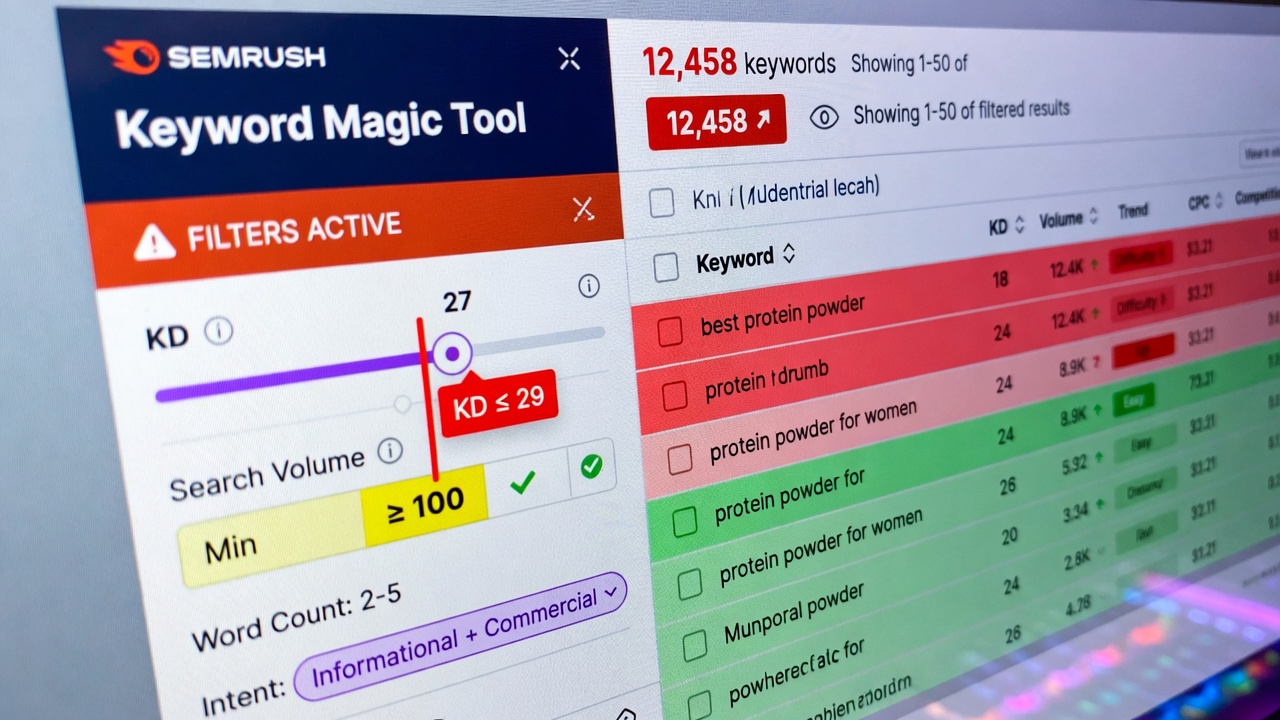
To systematically build this trust, your publishing pipeline must rely on a strict, automated filtering process rather than manual guesswork. The goal is to isolate immediate opportunities where search volume exists but competition is negligible. By setting precise parameters in your research tools, you can instantly strip away high-competition noise and focus your production resources on keywords that yield immediate returns.
The Ideal Filtering Criteria for Automation
When running content gap analyses or keyword research sweeps within tools like Ahrefs or Semrush, you should apply specific, rigid filters to protect your content budget. The most effective baseline for rapid authority building is to filter for a Keyword Difficulty (KD) less than 30 and a minimum monthly search volume of 100+.
- KD Under 30: This ensures the page-one competition is weak enough that a well-optimized, automated brief can help you rank without requiring a massive backlink campaign.
- 100+ Monthly Volume: This filters out dead-end search queries, ensuring that every page you publish captures active search interest.
- Topic Clustering: Grouping these filtered results into semantic clusters allows you to target multiple related low-difficulty terms within a single, comprehensive brief.
Once these parameters are applied, you can cluster the results into distinct pages. This clustered data serves as the direct input for your AI-driven briefing tools, ensuring your automated pipeline is fed only with highly winnable topics.
Aggressive Filtering — Restricting your keyword research to queries with a Keyword Difficulty under 30 and at least 100 monthly searches ensures your AI publishing pipeline targets highly winnable content gaps.Automating SEO Brief Creation Around Low-Difficulty Targets

Feeding clustered, low-difficulty keywords directly into your content pipeline is where AI-driven automation transforms from a theoretical strategy into a high-speed production engine. Instead of manually dissecting search engine results pages (SERPs) for dozens of low-competition terms, automated tools can instantly analyze the ranking landscape to construct precise blueprints for your writers or AI generation models.
Using a dedicated tool like the Semrush SEO Brief Generator, the workflow shifts from manual research to automated synthesis. This tool automates brief creation using competitor data and real-time SEO insights, pulling the critical structural elements of what is already working on the SERPs for your target keyword. When targeting keywords with a Keyword Difficulty (KD) under 30, these insights are incredibly powerful because the ranking competitors often have weak content profiles or structural gaps that are easy to exploit.
By analyzing the top-performing pages for these low-KD targets, the AI automatically extracts:
- The optimal word count and readability level required to compete.
- Commonly used headings (H2s and H3s) that define the search intent.
- Semantic keywords and related entities that must be included to satisfy search algorithms.
This automated extraction ensures that your brief addresses the exact content gaps present in low-competition SERPs, laying a highly optimized foundation for automated publishing pipelines without requiring hours of manual competitive analysis.
Automated Synthesis — Utilizing tools like Semrush's SEO Brief Generator to pull real-time competitor data allows publishers to rapidly generate structured, SEO-optimized briefs for low-difficulty keywords, bypassing manual SERP analysis entirely.Validating AI Briefs for Quick-Win Search Traction
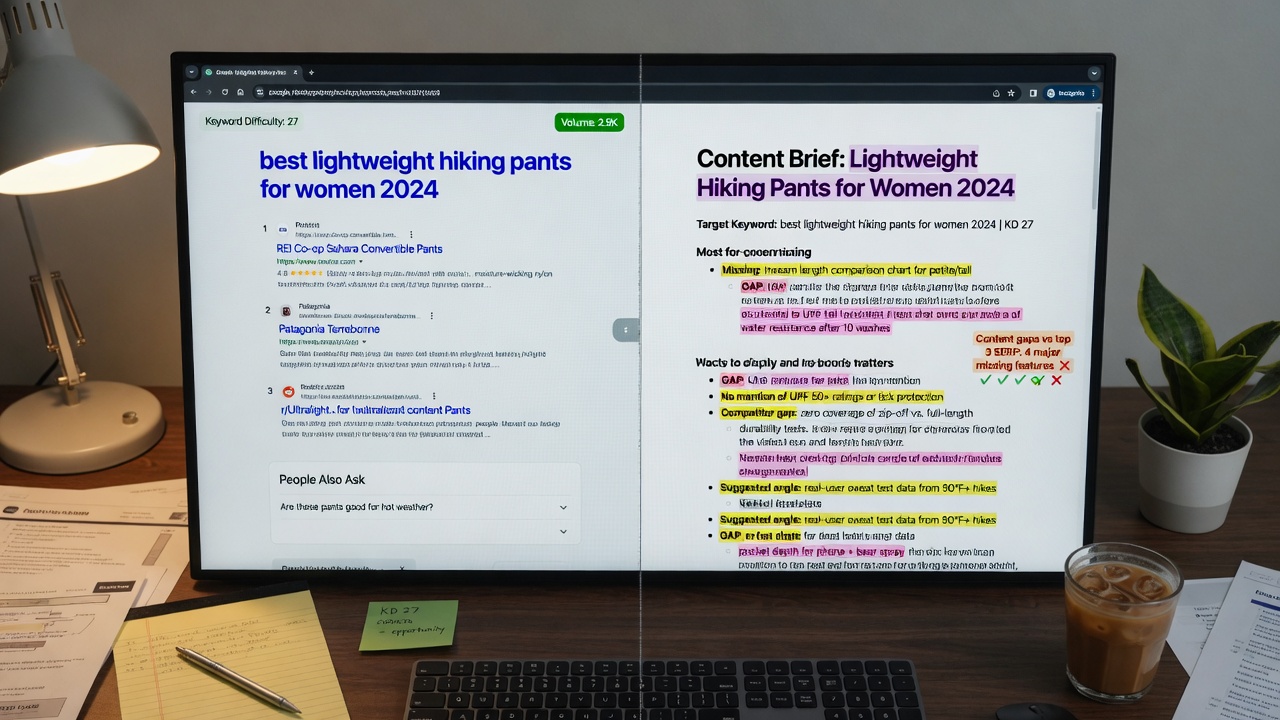
To turn automated outlines into actual search traffic, publishing pipelines must focus on quick-win keywords. These are defined as low-difficulty targets with a KD under 30 that allow new or mid-tier websites to build momentum and rank within weeks rather than months.
While AI engines excel at extracting structured data, combining automated brief generation with a brief layer of human validation ensures your automated publishing pipeline remains highly strategic. Even in low-competition landscapes, a quick manual check of the search engine results pages (SERPs) confirms whether the intent behind the query is informational, commercial, or navigational, preventing the system from targeting dead ends.
Ensuring Briefs Target Real Content Gaps
When validating your automated briefs, ensure they are structured to exploit real structural weaknesses in the current top-ranking pages. This means checking that the AI-generated brief specifically highlights:
- Thin content or outdated statistics in the top three organic results.
- Unanswered user sub-questions found in the 'People Also Ask' boxes.
- Opportunities to integrate interactive tools, tables, or schema that competitors have neglected.
By pairing automated brief generation with targeted human oversight, teams can confidently scale their content production. This hybrid approach guarantees that every piece of content published is primed to capture immediate, low-hanging search traffic.
Validation drives velocity — Combining automated brief creation with a quick human review of KD under 30 targets ensures your content pipeline exploits genuine competitor gaps for rapid, reliable search rankings.Key Takeaways
Let Flows automate your entire SEO pipeline and turn low-difficulty keyword opportunities into rapid search rankings today.
Frequently Asked Questions
Targeting keywords with KD scores below 30 is highly recommended when building authority, as these low-difficulty terms allow you to rank within weeks rather than months, establishing a foundation of organic traffic that supports tougher targets later.
During your content gap analysis, you should filter for KD under 30 and 100+ volume, and cluster the results into pages to ensure your automated brief generator works with highly viable, low-competition topics.
An automated brief generator, such as Semrush's tool, helps you build detailed content briefs using competitor data and real-time SEO insights, eliminating manual research and speeding up production pipelines.
While AI tools excel at analyzing competitor structures, combining automated brief generation with quick manual validation ensures your content addresses genuine gaps that competitors missed, securing higher rankings.
You Might Also Like