Long-Tail Keyword Examples That Actually Convert for SaaS and Content Sites
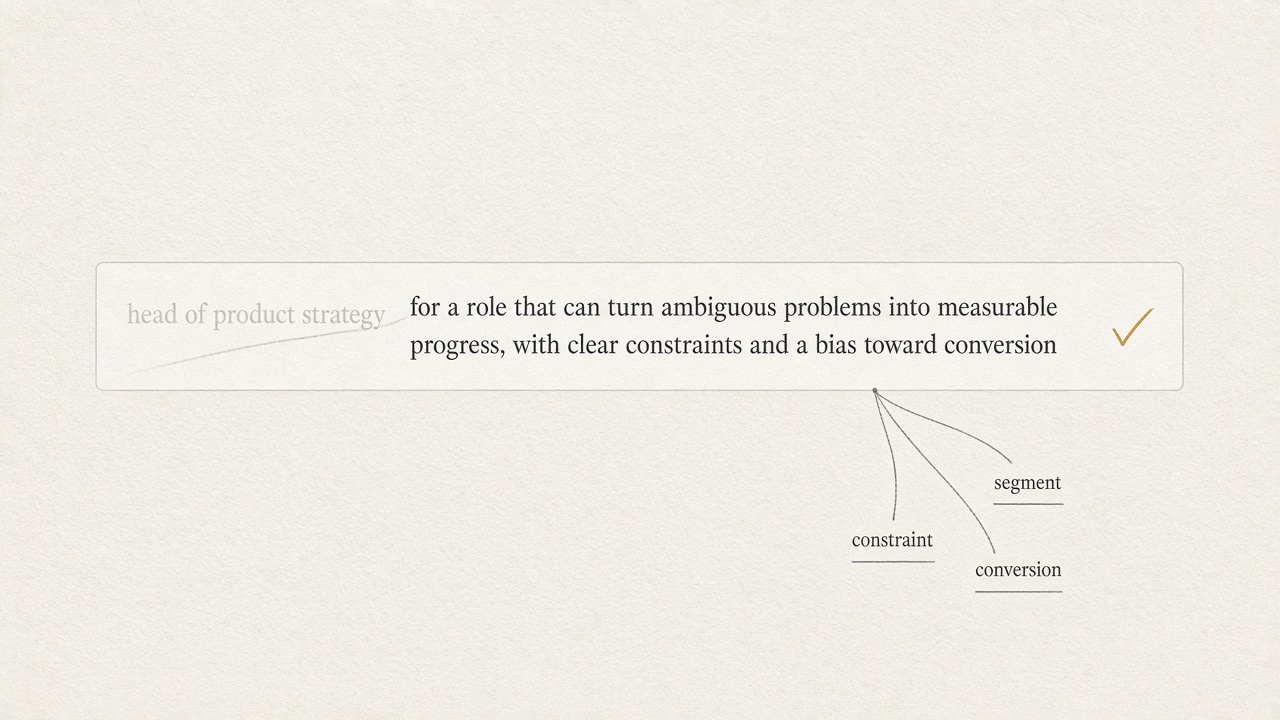
Most long-tail keyword examples fail the moment they leave the spreadsheet. A phrase is longer than the head term, volume looks modest, and a new URL is spawned. That is how content sites and SaaS blogs fill calendars with pages nobody cites, buys from, or ranks.
Long-tail demand is real: people search with constraints, objections, and jobs to be done. What converts is not word count. It is whether the query matches a commercial or citation job you can actually win—an integration problem, a pricing objection, a comparison, a how-to, a template, or an FAQ that belongs on a parent page.
This piece treats every example as a decision, not a definition. Before you brief it, cluster it onto a stronger page, or refuse it because the SERP is already owned and the query has no job. The examples that follow are written so that choice is obvious.
- Long-tail keywords are specific, low-volume queries, not simply phrases with many words.
- SaaS examples that convert are problem-plus-constraint queries: integrations, pricing objections, alternatives, and implementation.
- Content sites convert when the query supports a job on an existing page, not a new URL for every variant.
- A specific query still fails if a stronger page already owns the SERP or there is no commercial or citation job.
- Cluster converting long-tails onto existing briefs and internal links instead of publishing thin articles.
What Long-Tail Keyword Examples Actually Convert
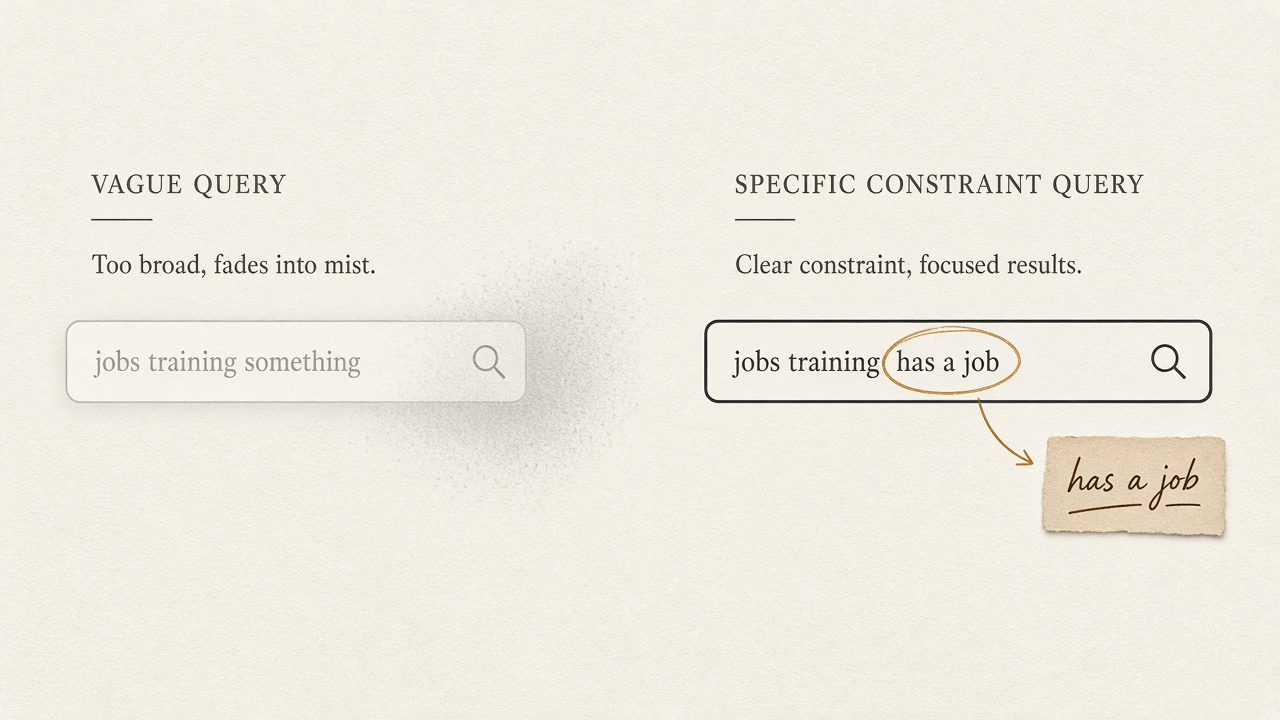
A converting long-tail keyword example is a specific, low-volume query with a job—compare, implement, switch, or cite—not a longer phrase and not a head term padded with adjectives. Word count does not make a keyword long-tail. Three words can be a head term; a short, rare constraint query can be the tail. Use the existing low-volume definition rather than re-counting words.
The useful shape is problem plus constraint plus object: a tool, segment, integration, or objection. Generic modifiers such as best, top, or a calendar year are not constraints. A constraint changes the audience or the steps the answer has to include. A modifier only dresses up the head term. Specificity gets a query into review; it does not, by itself, justify a new URL.
What Percentage of Searches Are Long-Tail Keywords?

The tail is a large share of demand, not a niche leftover. Specific, low-volume queries make up most of what people search—the idea behind the widely repeated majority-of-searches claim. That claim describes volume mix, not a conversion rate, and it is not a precise percentage worth publishing as fact.
Long-tail keywords do not always convert better than short keywords. Specific intent often beats a vague head term. A long query with no job does not beat a short commercial query that already has a buyer.
That contrast is the filter for every example below. Modest volume is not proof a query will convert, and a short query is not proof it will not. Keep or drop the row on whether you can name the job, not on how the phrase looks in an export.
Filter — A large share of search demand lives in the tail, but only a query with a clear job earns a page or a slot on one.
Good Long-Tail Keyword Examples for SaaS
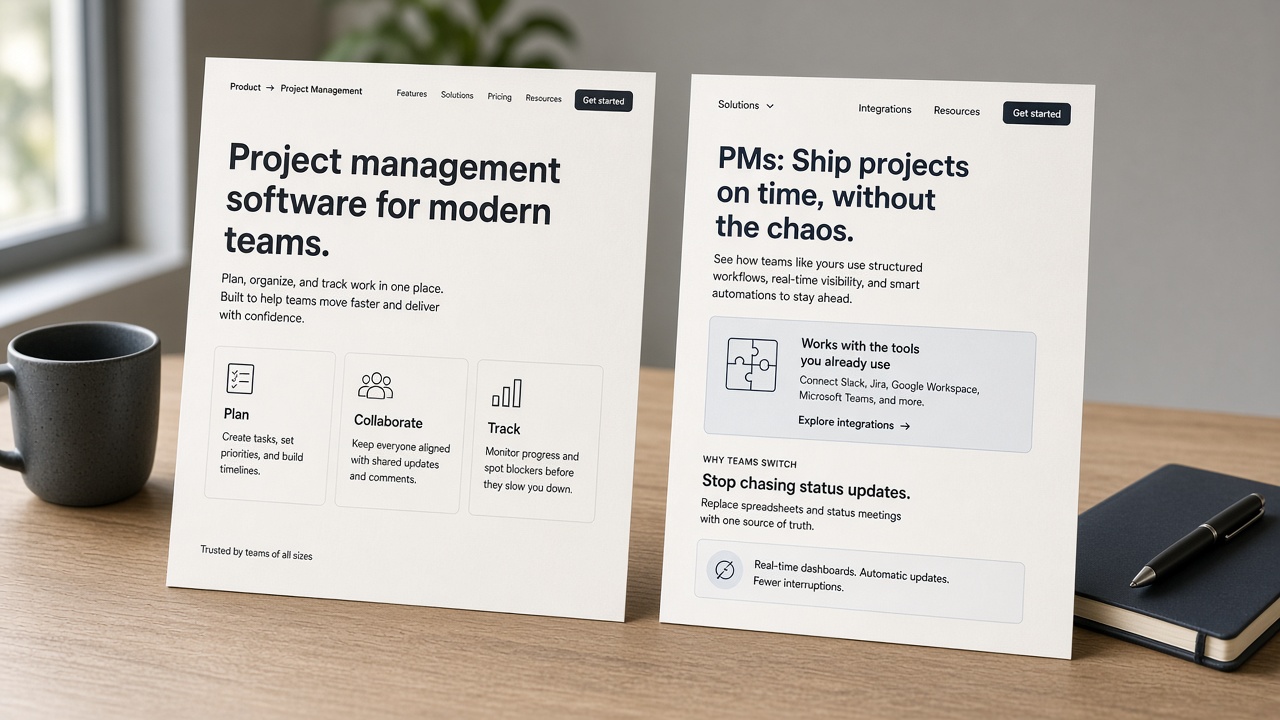
Good SaaS long-tail examples are problem-plus-constraint queries, not the category head term. A query that converts names an integration, a pricing objection, a role, a migration, or an implementation detail—something a homepage that only says “project management software” cannot honestly own.
Treat the shapes below as patterns to adapt, not as live volume. They earn attention because the constraint is specific enough to brief, not because the phrase is long.
- An alternative for a named segment, such as a rival’s product for a role the category page never mentions.
- An integration between two tools for one alert or one export, not “integrations” in the abstract.
- A setup query tied to company size, where the steps change for a small team versus a larger org.
- A pricing-objection query that names the cost worry and the constraint that makes the plan worth it.
Comparison and alternative pages work when the query names a rival, a segment, and a job the results already answer with comparisons. A homepage that already serves that buyer does not need a second URL repeating the same matchup.
Patterns that hold are “[competitor] alternative for [segment],” “[tool] vs [tool] for [job],” and “switch from X to Y without losing Z.” Refuse the pattern if you cannot name a real difference—a feature, workflow, or constraint the rival fails. How these queries share a page belongs in the keyword clustering article; the decision here is only whether the query has a job the results will reward.
The test — A SaaS long-tail converts when it pairs a problem with a constraint you can actually answer, and you refuse the comparison if you cannot name a real difference.
Long-Tail Keyword Examples for Blogs and Content Sites

On a blog or content site, a long-tail keyword example converts when it matches a job—comparison, how-to, template, or FAQ support on a parent page—not when each wording variant gets its own URL.
- Comparison brief: “Notion vs Obsidian for a research wiki,” only if you can name a real difference.
- How-to with a constraint: “add FAQ schema to a recipe page in WordPress,” not a generic how-to.
- Template for one page type: “editorial calendar template for a weekly newsletter.”
- FAQ the parent already answers: keep it on that article, with an internal link, instead of a new URL.
AI search and answer engines change which examples you keep. Write the heading and the opening sentence so they can stand as the answer to one specific question—that is the shape worth aiming at, not a measured ranking rule. Synonym variants and date-stuffed titles are not new examples. A mention of a variant in an answer is not a reason to publish another page. This is which examples are worth citing, not how to harvest them.
How to Tell a Converting Long-Tail from a Thin Query—and What to Refuse
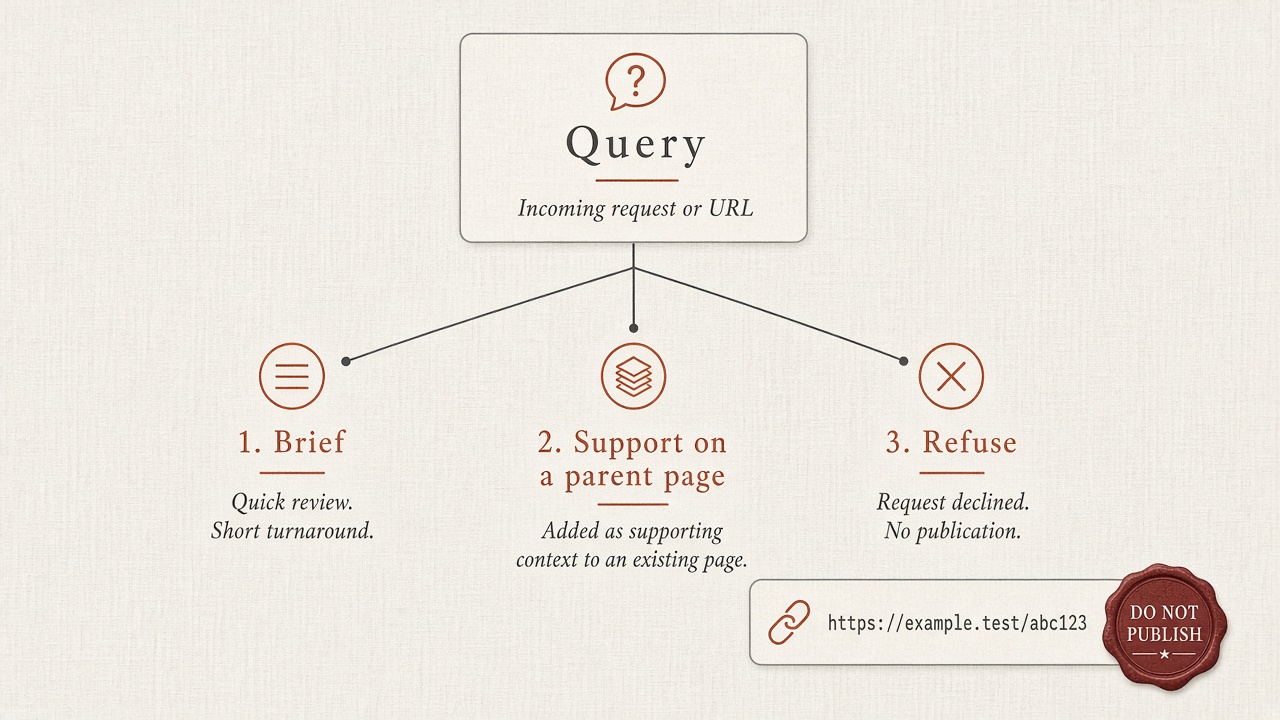
Worth citing is not the same as worth a URL. A converting long-tail has distinct intent, a page job, and a SERP you can win or honestly support. A thin query shares intent with a page you already have, or it has no commercial or citation job.
Refuse near-duplicates, programmatic permutations with no unique answer, queries you cannot evidence, and variants whose only difference is word order or a modifier. In the brief, refusal is a one-line reason and the parent URL to update—the fail-closed brief already shows how that line is recorded—not a deleted row with no owner.
Fail closed — Distinct intent, a real page job, and a SERP you can win or support are the test. Anything else is a parent update or a refuse, not a new URL.
Should Every Long-Tail Keyword Get Its Own Page?
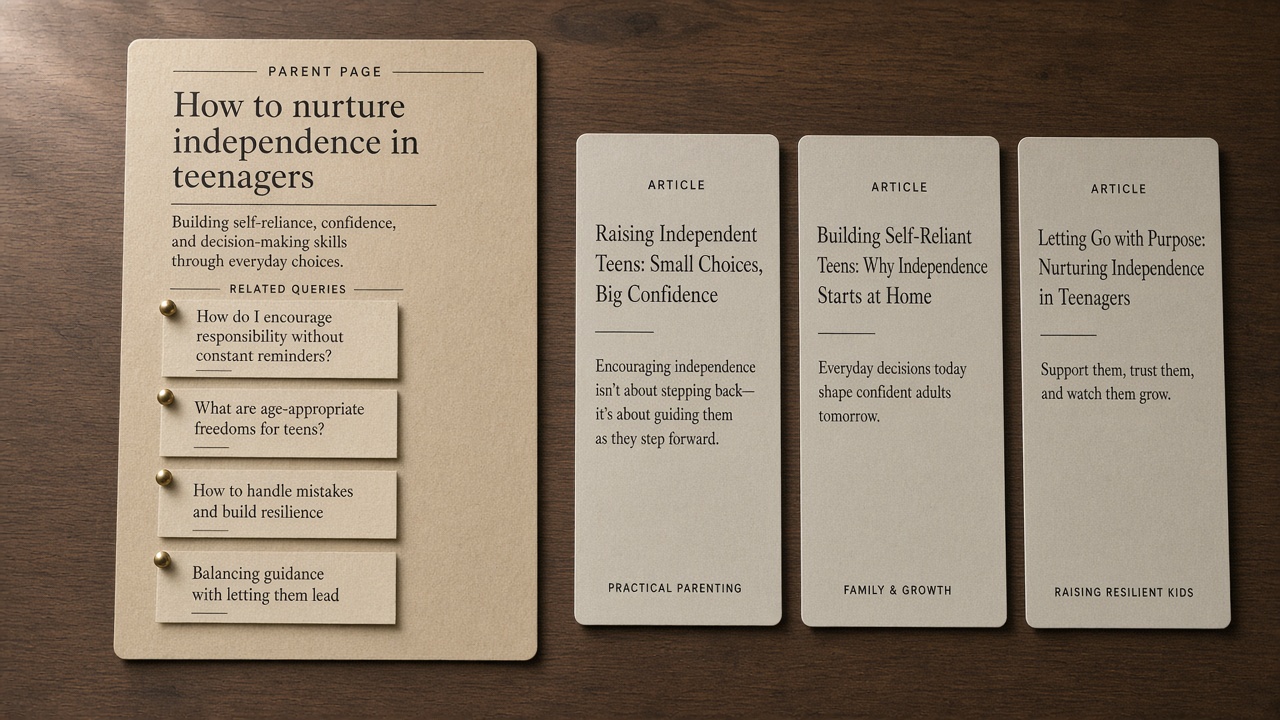
Once a query clears the refuse check, the answer is still no by default. A long-tail earns its own page only when its intent and the SERP format differ from an existing URL. Otherwise it is support copy, an FAQ, or an internal link—not a new address.
A long-tail keyword is one query. A keyword cluster is the set of queries that belong on the same page. Grouping rules live in the keyword clustering definition; this pass only needs that split.
One parent on migrating CRM notes without losing custom fields can hold the primary example plus two supports: exporting notes from the old tool, and what happens to custom fields on the switch. Three thin URLs for those wordings would cannibalize each other.
Page test — Own page only when intent and SERP format differ from an existing URL; same job stays a cluster slot, FAQ, or internal link.
How Long-Tail Keywords Fit a Content Brief, and How You Measure Conversion
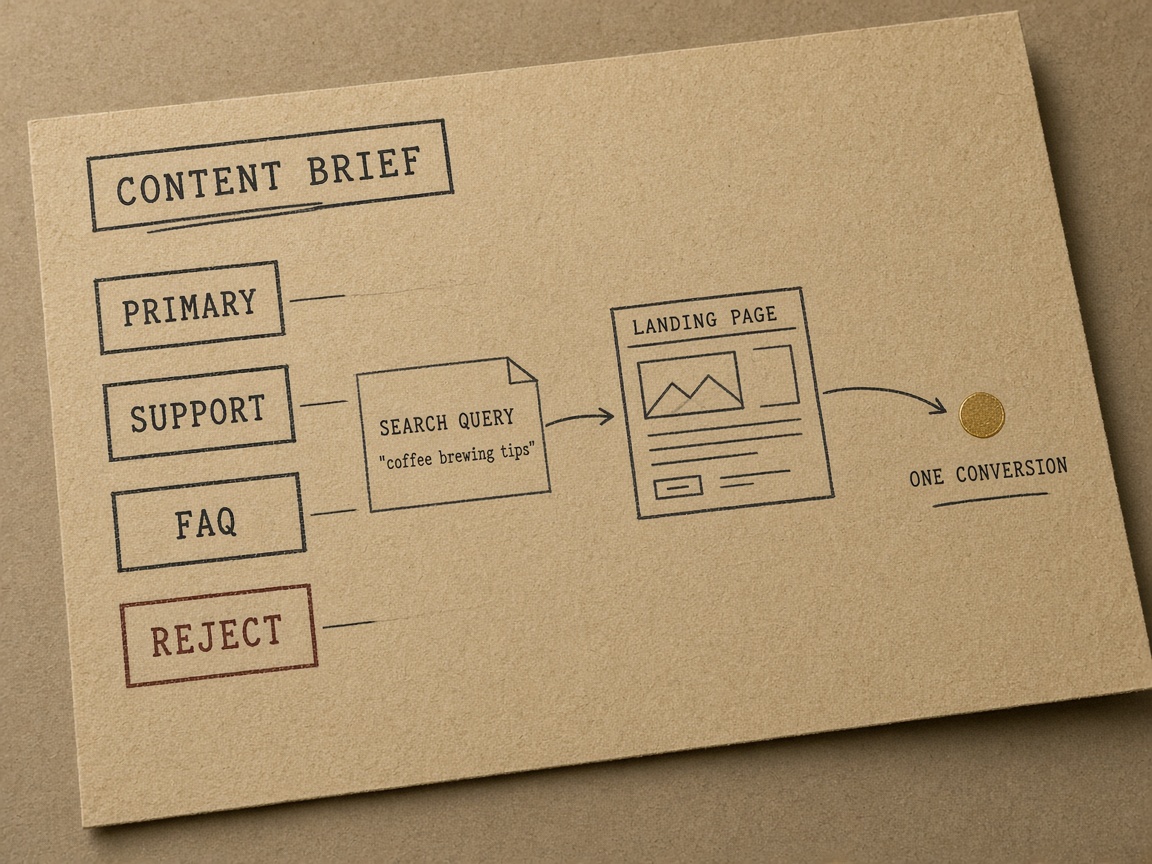
Once the page test is settled, the example belongs in a brief, not a keyword dump. Every long-tail is primary, support, FAQ, or reject.
Name six fields and stop: query, intent, page job, parent URL, internal link, and refuse reason. Write that row in a practical brief workflow; an automate-briefs article covers filling the same fields at scale.
Measure the job, not the impression. For SaaS, follow the query to the landing page and one event—a demo, a trial, or an assisted signup. For a content site, follow a citation or an engaged click to the next asset, not rank alone.
If it ranks and never reaches the briefed job, it did not convert. Update the page or refuse the next variant. The path stays query, page, and one conversion event.
Job over rank — A long-tail converts only when the briefed job happens—not when the query merely ranks.
Key Takeaways
Before you publish the next long-tail URL, run it through the brief fields and refuse it when a parent page already owns the job.
Frequently Asked Questions
You Might Also Like
- Guides Long-Tail Keywords: How to Turn Low-Volume Queries Into Rankable Briefs
- Workflows How to Find Long-Tail Keywords Without a Big Research Stack
- Strategy Keyword Clustering: How to Group Keywords into Rankable Topics
- Guides SEO Content Brief Examples for Product, Comparison, and How-To Pages
- Templates Topic Cluster Map Template for SaaS Content Teams