SEO Strategies
Avoiding Google Penalties with Autoblogging

The promise of autoblogging is incredibly tempting: a self-sustaining content engine that publishes fresh articles around the clock while you sleep. Yet, many creators hesitate, fearing that a sudden search engine update will wipe out their hard work overnight. The truth is that blog automation does not trigger penalties on its own; poor content quality does, meaning your success depends entirely on how you manage the automation process.
According to Google Search's guidance, appropriate use of AI or automation is not against their guidelines, provided it is not used primarily to manipulate search rankings. Google's spam policies target scaled content abuse regardless of whether the articles are AI-generated, scraped, or written by humans. The real risk lies in publishing generic, low-effort pages. Thin or duplicate content can trigger algorithmic devaluation, causing search engines to quietly filter your pages out of search results.
To build a sustainable, automated publishing system that thrives in 2026, you must shift your focus from raw quantity to genuine editorial value. By combining the speed of AI with smart curation and quality safeguards, you can scale your traffic without risking your site's reputation. Let's look at how search engines actually view automated publishing and how you can stay on the right side of their quality guidelines.
TL;DR
- Google does not penalize AI or automated content unless it is used primarily to manipulate search rankings.
- Poor content quality and duplicate posts are the main drivers of search engine penalties and algorithmic devaluation.
- Unedited autoblogging sites typically experience 30% to 40% lower search rankings than sites with unique content.
- Scaled content abuse is penalized by Google regardless of whether the content is generated by AI or humans.
- Safe autoblogging requires a balance of automation efficiency and strict editorial quality control.
What Google Actually Says About AI and Automation
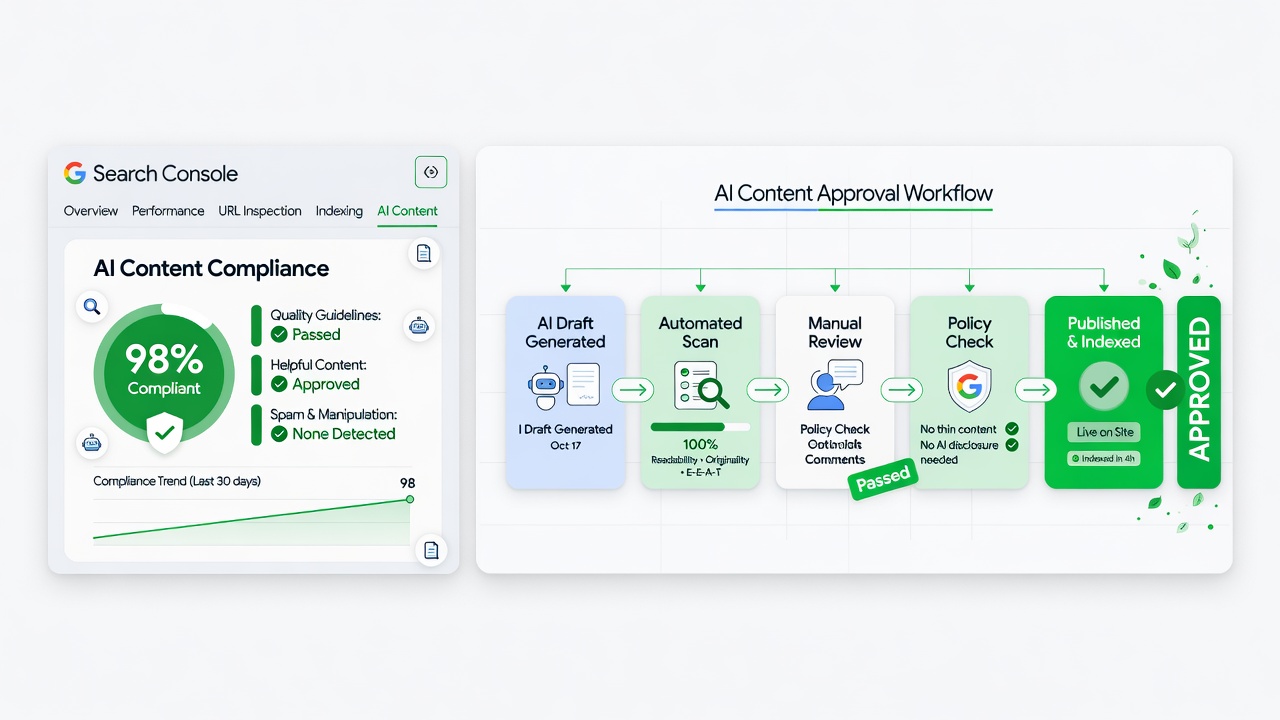
For years, a persistent myth has circulated in the SEO world: that search engines instantly penalize any content written by an algorithm. However, if you look at the official documentation, the reality is much more practical.
According to Google's official guidance, using AI or automation is perfectly acceptable as long as it isn't designed to game the system.
"Appropriate use of AI or automation is not against our guidelines. This means that it is not used to generate content primarily to manipulate search rankings."
— Google Search Central Guidance
This distinction is crucial for anyone exploring autoblogging. The technology itself isn't the problem; rather, the risk lies in how it is applied. As industry experts note, blog automation doesn’t trigger penalties on its own; poor content quality does.
Google’s algorithms are designed to target scaled, low-quality content, regardless of whether a human or a machine wrote it. If your automated pipeline churns out thousands of unedited, thin pages that offer no unique value, you will eventually face a penalty. But if you use automation to streamline research, structure drafts, and publish genuinely helpful articles, you remain on safe ground.
Quality over source — Google does not penalize AI content or automation inherently; instead, it targets low-effort, low-value content designed solely to manipulate search rankings.
So how do you draw the line between safe automation and risky shortcuts? Let's break down the exact practices that put your site in Google's crosshairs.
The Danger Zone: Which Autoblogging Tactics Actually Trigger Penalties?

It starts with understanding that Google's algorithms don't care how your content was created, but rather why it exists and the value it provides. If your strategy relies on publishing raw, unedited AI output, you are stepping directly into a high-risk zone.
When you publish automated articles without human oversight, you often end up with thin or duplicate content. This is a primary trigger for algorithmic devaluation in autoblogs. The real issue is scaled content abuse: Google's spam policies target manipulation of search results, not the use of automation itself. Content farms that churn out thousands of low-quality articles face penalties regardless of whether those articles are AI-generated, scraped, or written by underpaid freelancers.
The Three Biggest Red Flags
- Unedited AI Output: Publishing straight from the generator often leads to generic, repetitive phrasing that fails to offer any unique value.
- Massive Publishing Spikes: Flooding your index with hundreds of pages overnight without editorial review signals manipulation to search engines.
- Scraped and Repackaged Data: Simply rewriting existing articles without adding new data, expert commentary, or fresh insights makes your site redundant.
To keep your site safe, you must shift your focus from raw output to structured curation. The key is establishing a system that filters, refines, and enhances every automated draft before it goes live.
Quality over scale — Google penalizes scaled content abuse and thin content, meaning autoblogging only succeeds when paired with active editing and unique value.The Editorial Firewall: Building a Human-in-the-Loop Workflow

This curation starts with a "human-in-the-loop" editing workflow. Instead of letting AI write and publish directly to your CMS, treat your generator as an incredibly fast junior writer who still needs a seasoned editor-in-chief. A human editor must touch every single draft, injecting the nuance, brand voice, and critical thinking that algorithms lack.
To elevate automated drafts into high-ranking assets, your workflow should focus on three essential upgrades:
- Inject proprietary data and real examples: AI can synthesize existing web information, but it cannot analyze your internal data or share real-world experience. Adding unique case studies instantly signals quality to search engines.
- Fact-check and refine: AI is prone to subtle hallucinations. Verify every statistic, claim, and outbound link before hitting publish.
- Prioritize value over velocity: Flooding your site with thousands of unedited pages is a recipe for invisibility.
By spending time to inject unique insights and polish the prose, you bypass the common quality traps that automated sites fall into.
Human-in-the-loop editing — Treating AI as a drafting assistant rather than a solo publisher keeps your content unique and protects against algorithmic devaluation.
Once you have this editorial firewall in place, you need a way to measure its success and ensure your automated systems remain fully compliant over time.
Keeping the Machine Clean: Post-Publishing Audits for Long-Term Safety
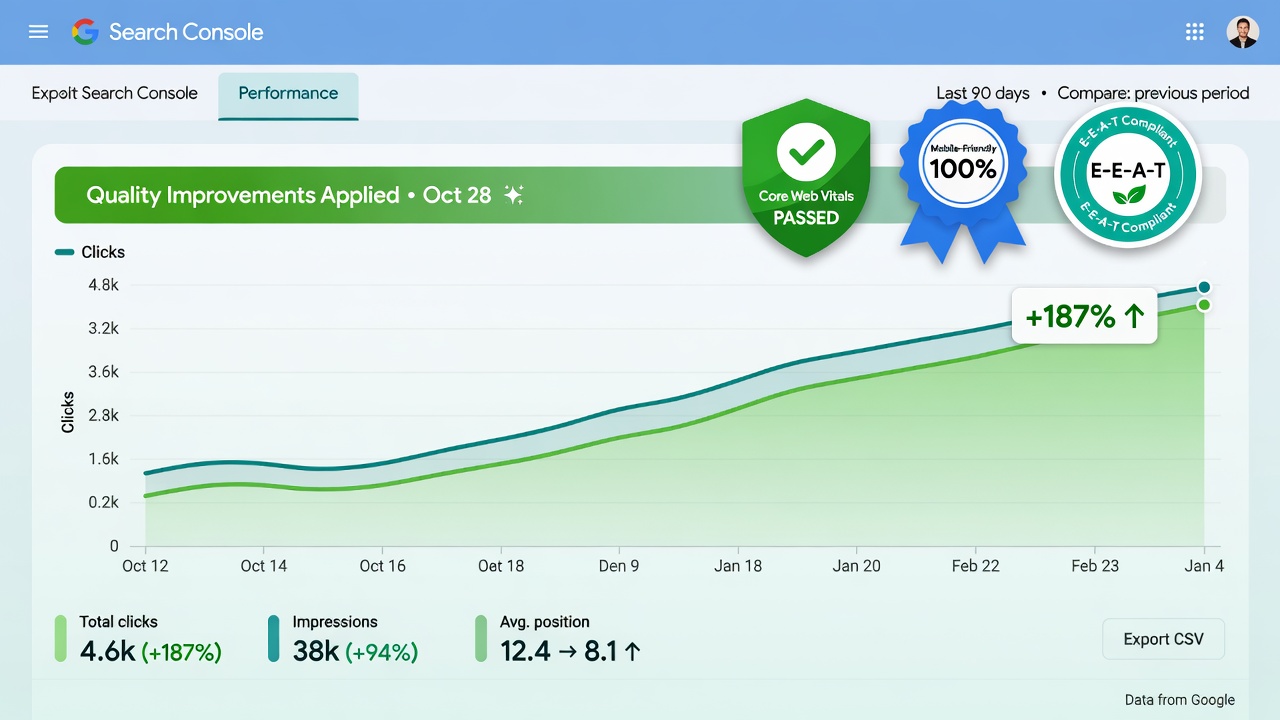
This starts with keeping a close eye on Google Search Console. After releasing each batch of automated posts, monitor their impressions and clicks. A healthy automated setup should show steady, incremental growth. If you notice a flatline or a sudden drop in impressions across a specific batch, it is an immediate signal that Google's algorithms may have flagged those pages as low-value or thin.
When you spot underperforming automated content, do not let it sit and dilute your site's overall authority. Be ruthless: either heavily revise these pages with fresh human insights, or remove them entirely. Maintaining a safe autoblogging strategy also relies on building a sustainable publishing cadence. Flooding your site with thousands of pages overnight is a red flag. Instead, scale up gradually, allowing your editorial team to keep pace with quality checks while proving to search engines that your growth is natural and editorial-led.
Proactive maintenance is vital — Safe autoblogging requires constant performance tracking in Search Console and immediate pruning of underperforming content to keep your site's quality signals high.Key Takeaways
Let Flows handle your SEO automation safely with rich, high-quality content and interactive AI features that keep both Google and your readers happy.
Frequently asked
No, the appropriate use of AI or automation is not against Google's guidelines as long as it is not used primarily to manipulate search rankings. Google focuses on rewarding helpful, high-quality content regardless of how it is produced.
Automated blogs often lose traffic because thin or duplicate content can trigger algorithmic devaluation. Research indicates that websites relying on unedited autoblogging typically see 30-40% lower search rankings compared to those with unique content.
No, Google does not target AI content specifically; instead, it penalizes scaled content abuse regardless of whether the content is AI-generated or written by humans. The primary factor that triggers penalties is poor content quality rather than the automation itself.
You can protect your rankings by avoiding duplicate or thin content and ensuring every automated post offers genuine value. Blending automated publishing with human editing, original insights, and updated information keeps your site compliant and safe.