AI Automation
Best AI Autoblogging Platforms

Scaling a blog used to require an army of writers, editors, and publishers. Today, AI autoblogging platforms do the heavy lifting by automating research, writing, optimization, and publishing in a single, streamlined workflow.
However, the landscape has shifted. Google's guidelines state that the appropriate use of AI or automation is not against their policies, provided it is not used to generate content primarily to manipulate search rankings. This means success in 2026 relies on platforms that focus on value, relevance, and smart integration rather than low-quality spam.
Whether you need a tool like Autoblogging.ai for rapid bulk article creation, Arvow for full-stack RSS and multilingual automation, or Junia AI for SEO-focused workflows and internal linking, finding the right fit is crucial. Let's dive into the absolute best AI autoblogging platforms available today and how they stack up against each other.
TL;DR
- AI autoblogging platforms automate the research, writing, and publishing of SEO content with minimal human intervention.
- Google allows AI-generated content, provided it is high-quality and not designed solely to manipulate search rankings.
- Top 2026 platforms like Autoblogging.ai, Arvow, and Junia AI offer distinct features ranging from bulk generation to deep SEO workflows.
- Successful autoblogging requires balancing automation with human editorial oversight and niche-relevant keyword optimization.
Deconstructing AI Autoblogging: How the Modern Workflow Actually Works
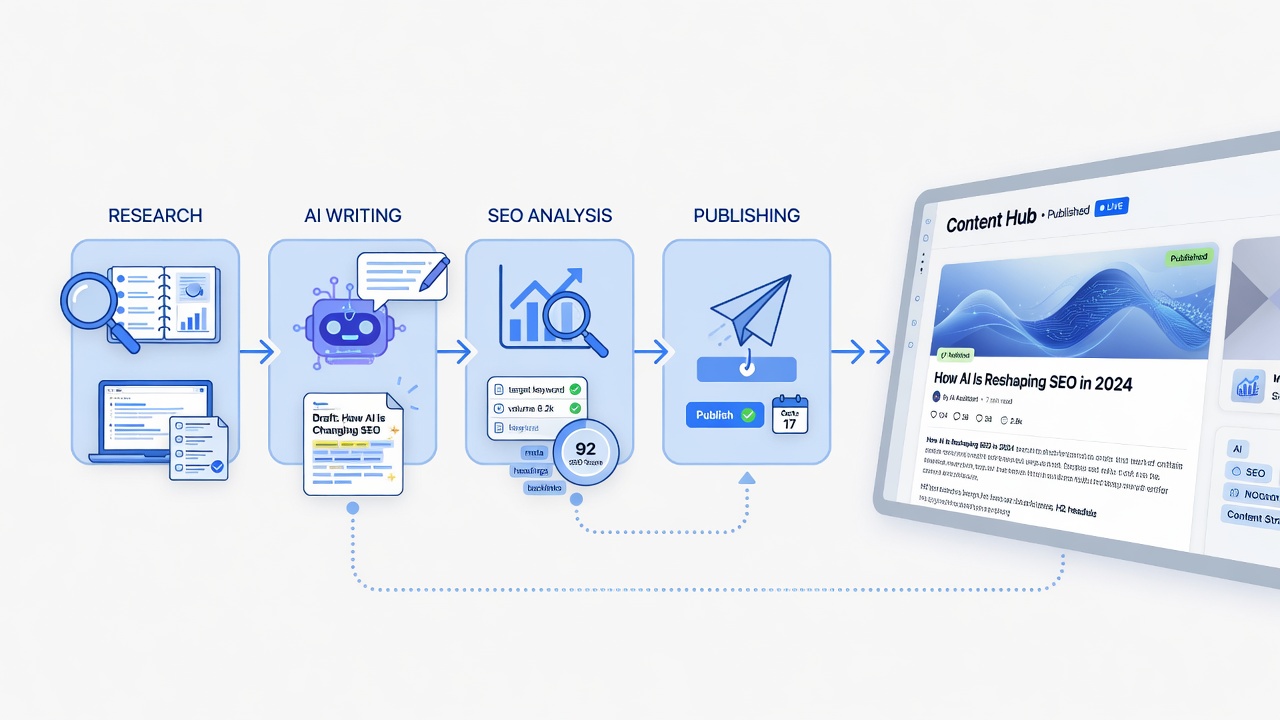
To choose the right platform, we first need to understand what modern autoblogging actually looks like. Gone are the days of scraping RSS feeds and spinning illegible text. Today, AI autoblogging is a sophisticated, end-to-end workflow that automates research, writing, SEO optimization, and publishing.
How the Modern AI Autoblogging Workflow Operates
Instead of just generating generic paragraphs, advanced platforms handle the heavy lifting of a traditional content team. The typical workflow includes:
- Deep Research: Analyzing search intent and extracting key entities to cover a topic comprehensively.
- SEO Optimization: Automatically structuring articles with proper headings, integrating target keywords naturally, and adding schema markup.
- Seamless Integration: Connecting directly to CMS platforms like WordPress or Shopify to draft, format, and schedule posts automatically.
This level of automation makes autoblogging highly attractive for niche site builders, affiliate marketers, and content teams looking to scale their publishing velocity. By rapidly targeting long-tail keywords, businesses can build topical authority in a fraction of the time. However, the key to long-term search visibility lies in combining this speed with human editorial oversight to ensure every piece meets modern quality standards. To help you find the right balance, let's examine the leading platforms driving this technology forward.
Quality-driven automation — Modern AI autoblogging succeeds by replacing spammy spinning with structured, SEO-optimized workflows that streamline research and publishing while leaving room for human editorial refinement.
The Top AI Autoblogging Software: Matching Tools to Your Workflow
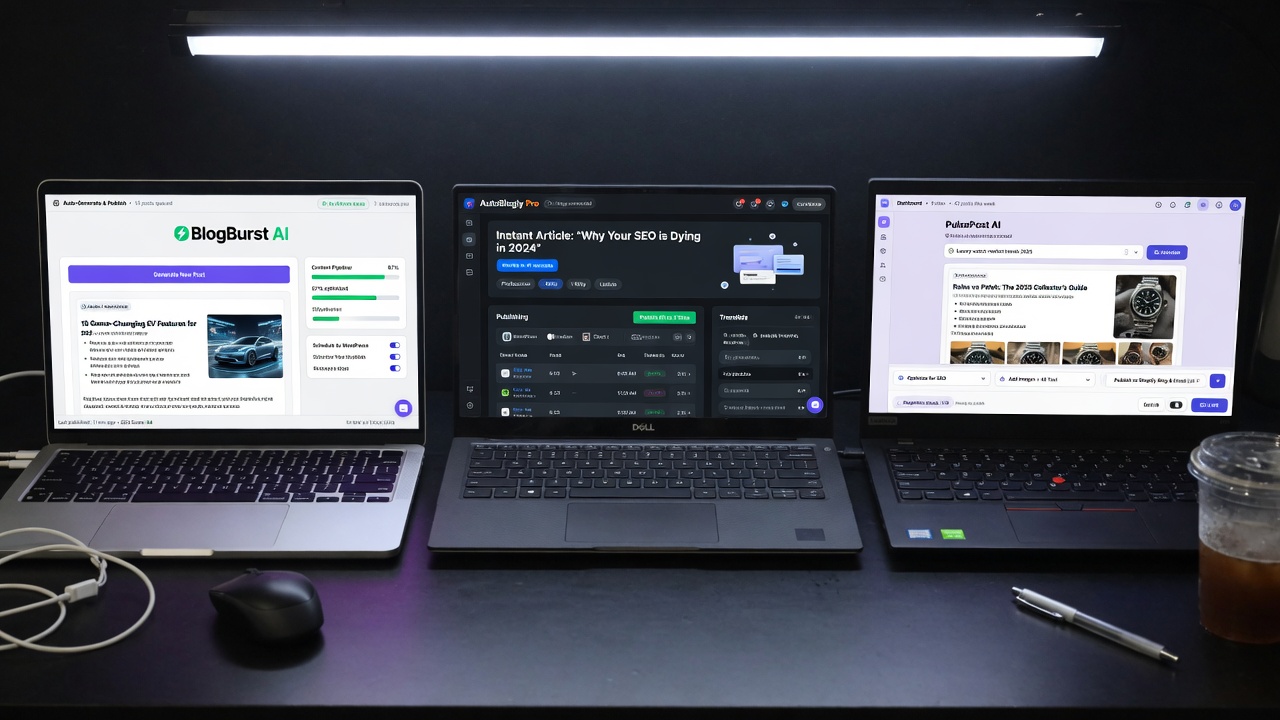
Navigating the landscape of AI autoblogging tools requires looking beyond simple text generation to how well these platforms integrate with your existing systems and content strategies. For agencies and niche site builders looking to scale quickly, Autoblogging.ai has become a popular choice for bulk AI articles and agency workflows. The platform is designed specifically around creating a lot of content in a short period of time, making it highly effective for launching massive topical authority campaigns or populating new domains rapidly.
If your strategy relies on continuous, hands-free updates, Arvow excels at full-stack autoblogging automation. It serves as an excellent option for complete automation by integrating RSS feeds, auto-publish capabilities, multilingual support, and built-in SEO optimization. This makes it a strong fit for syndicating news or managing multi-regional blogs without manual intervention.
For creators who prioritize structured search performance over raw volume, Junia AI offers an autoblogging workflow built around SEO content production. Junia emphasizes SEO-focused generation, automatically handling critical tasks like internal linking and workflow structuring to ensure each automated post is structurally optimized to compete in search engine results pages.
Ultimately, selecting the right platform depends on your operational model. Solo creators often favor user-friendly interfaces with direct WordPress or Shopify integrations, while agencies require robust API access and advanced team collaboration features. Regardless of the tool, establishing a seamless pipeline from keyword to published post is essential. However, even the most streamlined workflow must align with modern search engine policies to survive.
Match tools to strategy — Select Autoblogging.ai for high-volume bulk campaigns, Arvow for continuous RSS and multilingual automation, or Junia AI for structured, SEO-first content workflows.Navigating Google's Guidelines: How to Keep Your Automated Content Safe
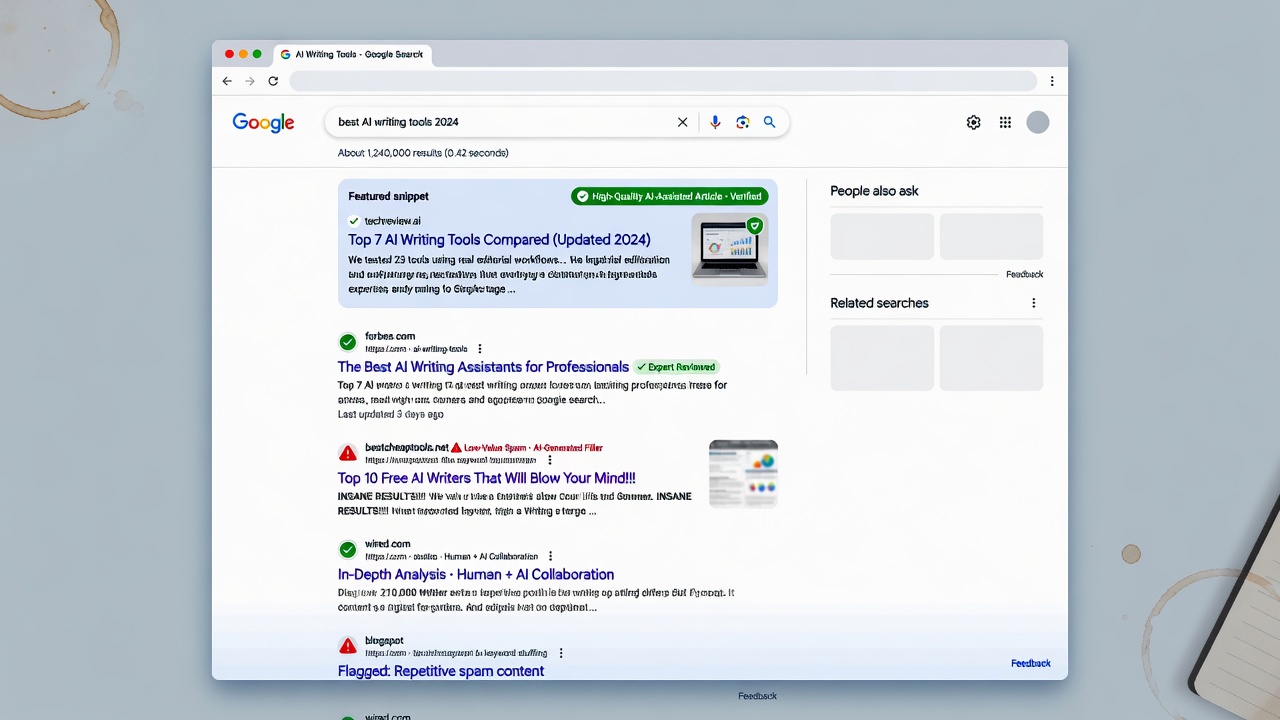
Fortunately, search engines do not flatly ban AI-generated text. Google's official guidance clarifies that the "appropriate use of AI or automation is not against our guidelines," emphasizing that it is acceptable as long as it is "not used to generate content primarily to manipulate search rankings." The algorithm's primary filter is quality, not authorship. If an automated pipeline merely churns out scaled, low-value spam to capture keyword traffic without helping the user, it will eventually trigger algorithmic penalties.
To stay on the right side of these search guidelines, publishers must inject real quality signals and human editorial oversight into their workflows. Even the most advanced AI tools require human editors to refine outputs, verify facts, and add unique, first-hand perspectives. Additionally, autoblogging requires active post-publishing maintenance. Monitoring your impressions, indexation status, and rankings in Google Search Console is crucial; if performance dips, it is a clear sign that your automated articles need more depth, original research, or human curation to satisfy search intent.
Quality over scale — Google permits AI-generated content as long as it provides genuine value to readers and is not used to manipulate search rankings through low-effort, automated spam.
The Autoblogging Playbook: Scaling Content Without Sacrificing Quality
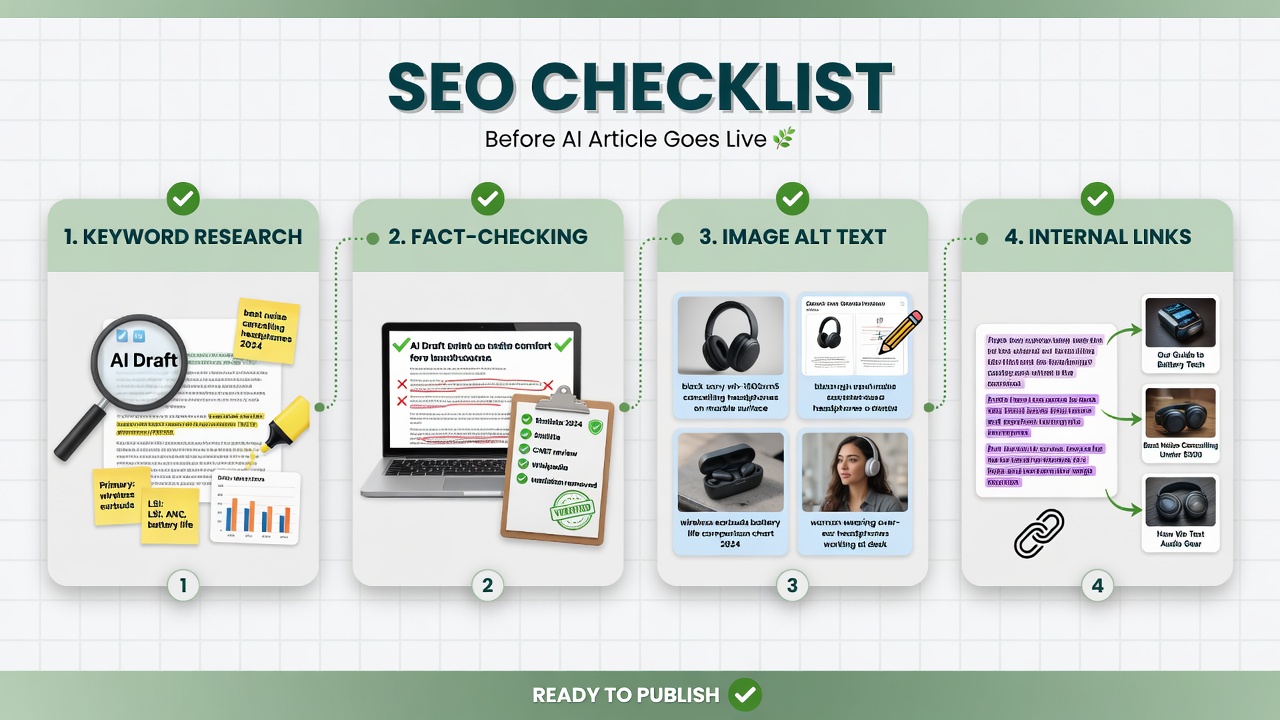
To prevent these performance dips and build a truly resilient search presence, you cannot simply set your tools to autopilot and walk away. Even though autoblogging involves automated content creation, it's still important to optimize this content for search engines. Success lies in establishing a structured post-generation workflow that polishes raw AI outputs into high-ranking, authoritative assets.
Smart editing drives results — A successful autoblogging strategy relies on a hybrid approach: letting AI handle the heavy lifting of drafting and basic optimization, while humans refine, audit, and inject the unique value that search engines reward.
Key Takeaways
Start automating your content engine safely today by letting Flows handle your publishing and engage your readers with interactive AI chat.
Frequently asked
Yes. Google's official guidance states that the appropriate use of AI or automation is not against their guidelines, as long as it is not used primarily to manipulate search rankings through scaled spam.
Autoblogging.ai is highly popular for bulk AI articles and agency workflows, designed specifically to create a large volume of content in a short period of time.
Arvow excels at complete automation, offering advanced features like RSS feed integration, auto-publishing, multilingual support, and SEO optimization.
Even with automation, it is vital to optimize content for search engines by customizing titles, meta descriptions, and maintaining strict niche relevance.
Junia AI is a top choice if you want an autoblogging workflow built specifically around SEO content production, internal linking, and structured formatting.