SEO Strategies
Autoblogging SEO Best Practices

There is a common misconception that autoblogging is a relic of the past or a fast track to a search engine penalty. In the era of generative AI, the temptation to hit "publish" on hundreds of automated drafts is stronger than ever. However, the landscape of search has evolved to reward genuine utility over sheer volume. Building a sustainable, automated content engine requires moving away from the old spam tactics and embracing a modern, high-quality framework.
The goal of automation should be to streamline your research and drafting processes, allowing you to scale your productivity without sacrificing the editorial standards that search engines and readers demand.
To build a successful strategy, you must align with search guidelines. Google Search's official guidance states that using automation—including AI—to generate content with the primary purpose of manipulating ranking in search results is a violation of their spam policies. This means that purely automated pipelines designed to game the system will eventually fail. Instead, sustainable growth comes from balancing technology with human touch, ensuring that every piece of content serves a clear purpose for your audience.
The secret lies in curation and refinement rather than raw output. Industry benchmarks show that five well-edited AI posts per week will outperform 50 thin posts per day. By focusing on quality over quantity, you protect your domain authority and build real topical relevance. Let's explore the essential best practices to turn your automated setup into a safe, high-performing organic traffic driver.
TL;DR
- Autoblogging is safe for SEO in 2026 when executed as a controlled publishing system rather than a mass-production shortcut.
- Google's spam policies strictly target automation when its primary purpose is search ranking manipulation.
- Publishing fewer, high-quality edited posts delivers significantly better SEO results than flooding your site with thin content.
- Success requires merging smart AI prompting with human editorial oversight and original analysis.
Is Autoblogging Actually Safe for SEO?
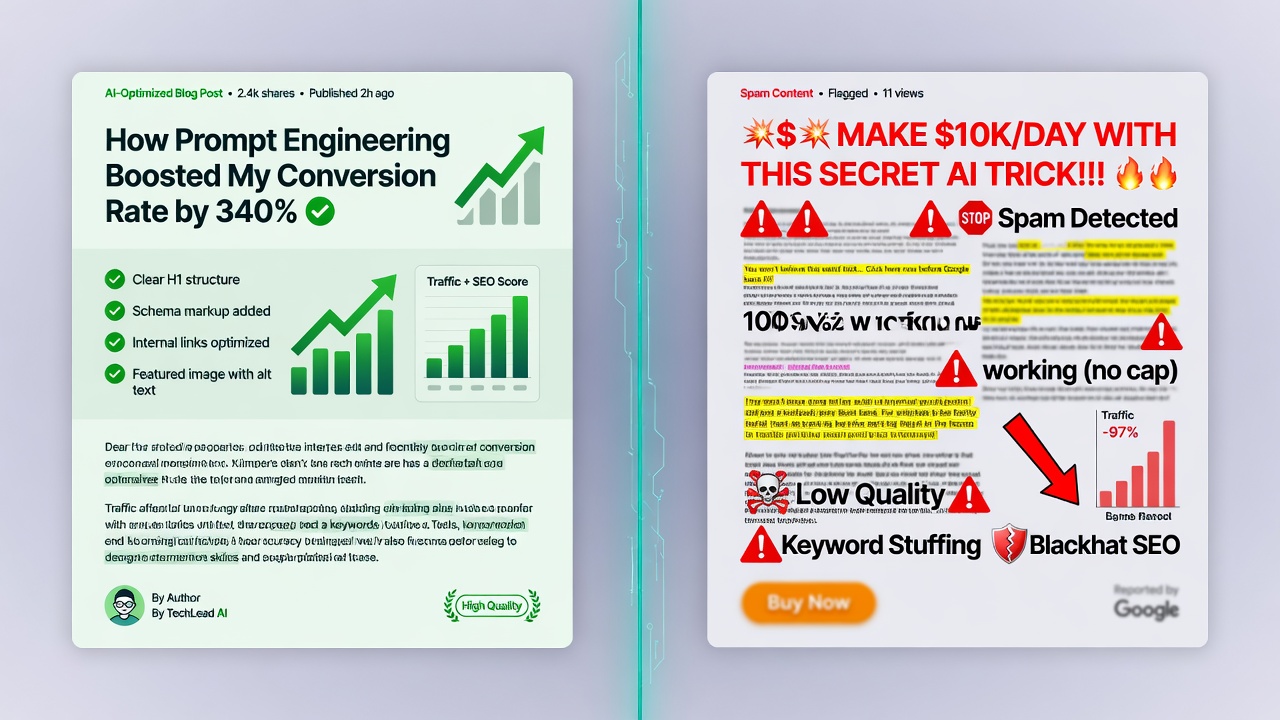
To understand how to build this safe setup, we first have to address the elephant in the room: is autoblogging actually safe for SEO today?
The short answer is yes, but only if you respect the boundaries of modern search algorithms. Google's guidance makes it clear that using automation—including AI—to generate content with the primary purpose of manipulating ranking in search results is a violation of their spam policies. When automation crosses the line into mass-producing low-effort, repetitive pages just to capture search queries, search engines will quickly flag and penalize your domain.
Controlled automation is safe — Using AI as an editorial publishing system is highly effective, but using it solely to manipulate rankings violates Google's spam policies.
The Volume Trap: Why Fewer, Better AI Posts Win
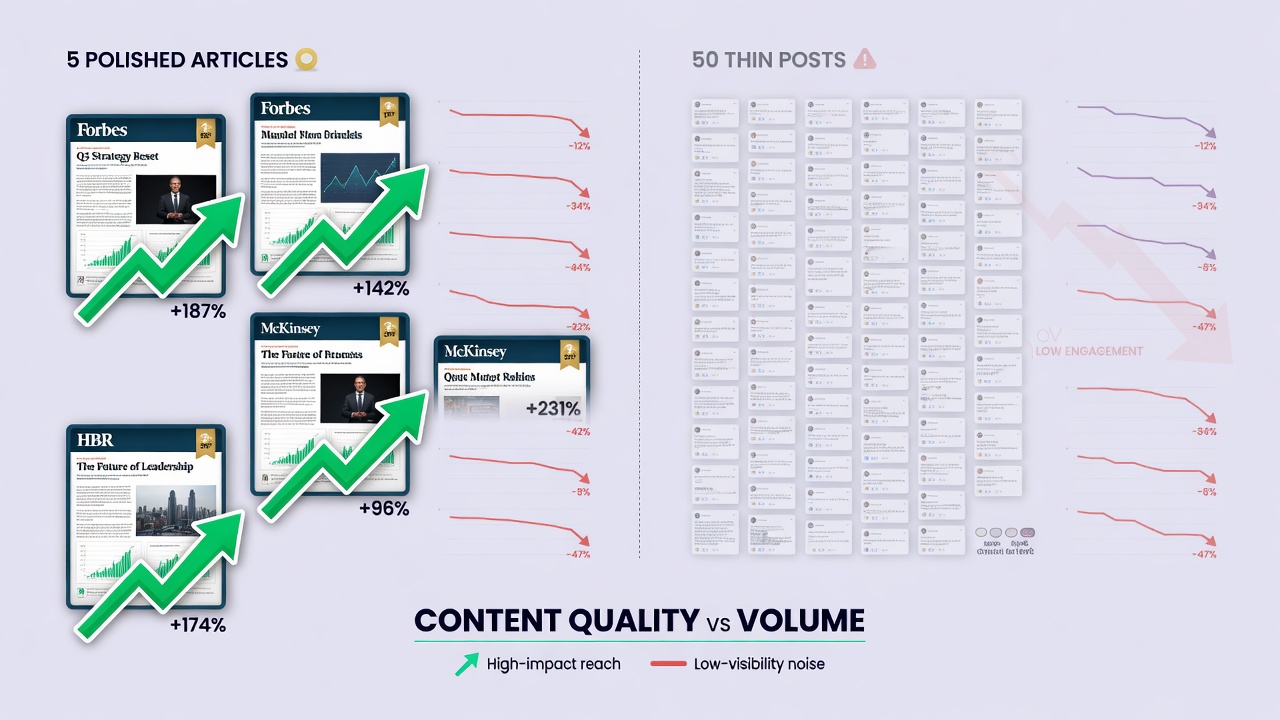
This shift from raw quantity to strategic quality is where most publishers either succeed or fail. It is incredibly tempting to set your AI SEO automation tools to maximum output and publish dozens of articles a day. However, search engines have evolved past rewarding sheer volume.
Instead of flooding your site, establish a realistic weekly publishing cadence. Focus on a tight schedule where you can review every draft. This pacing gives you the space to inject original analysis, structure proper formatting, and ensure every piece actually answers the searcher's intent. When you prioritize depth over automated noise, your content builds genuine authority.
Quality over volume — Publishing fewer, highly-refined AI articles per week consistently outperforms bulk-generating thin content that fails to provide real user value.
The Human Touch: Elevating AI Drafts for Genuine E-E-A-T

This authority isn't granted automatically; it is built through the crucial step of human curation. To truly stand out in search results, you must edit every auto-generated piece before it goes live, adding personal insights, real-world examples, or original analysis. This direct human contribution is what transforms a generic AI draft into high-value content that search engines trust.
Customization is your secret weapon for building E-E-A-T (Experience, Expertise, Authoritativeness, and Trustworthiness). By layering in your unique perspective and real-world case studies, you demonstrate first-hand experience that an algorithm cannot replicate on its own.
The Essential Post-AI Editing Checklist
- Fact-Check: Verify all statistics, dates, and technical claims to ensure accuracy.
- Add Originality: Inject a personal anecdote, proprietary data, or a unique expert angle.
- Enhance Formatting: Break up walls of text with clean subheadings and bullet points.
- Establish Trust: Include a clear author byline and link to reputable source material.
While a solid editing routine secures your quality, saving time on the editing table starts much earlier—with the instructions you give the AI.
Human curation is non-negotiable — Editing every AI draft to add original analysis and real-world examples is the only way to secure high E-E-A-T scores and sustainable search rankings.
Prompt Engineering: Crafting Instructions That Minimize Editing
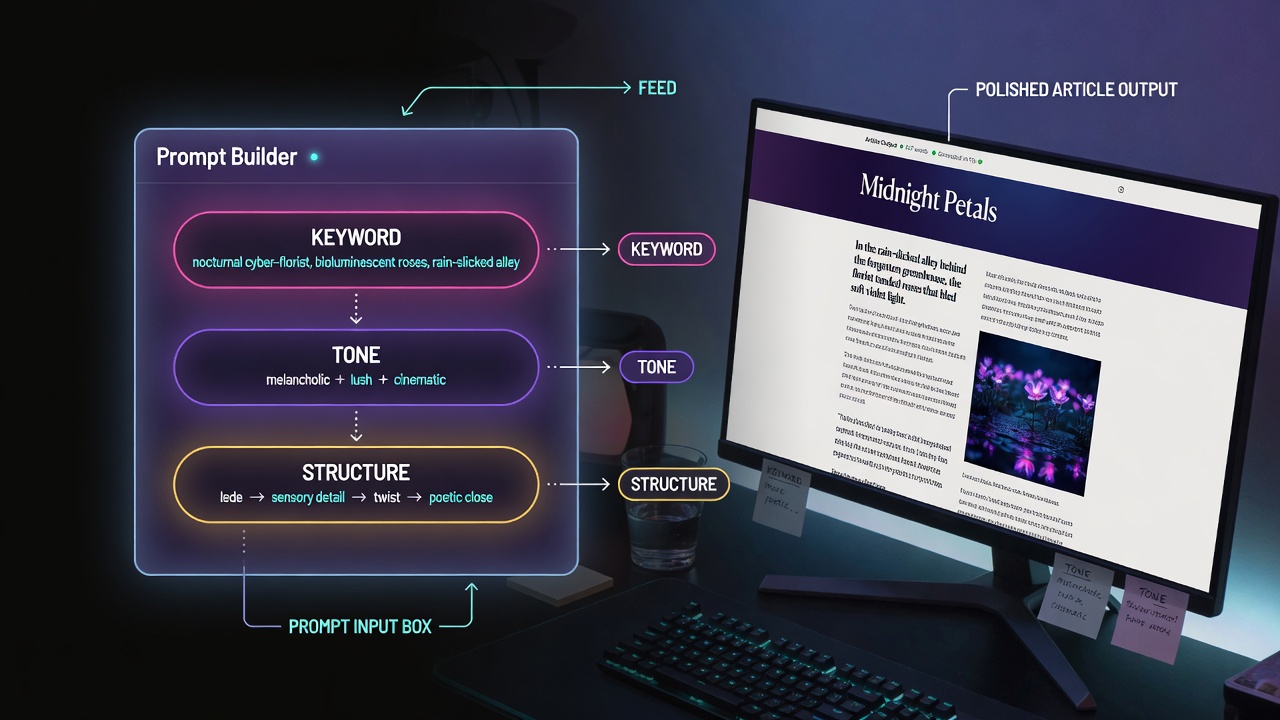
If you feed your AI generator vague, one-sentence instructions, you will inevitably receive generic, fluff-filled drafts that require hours of heavy rewriting. Saving time on the editing table starts by refining your inputs. To generate high-quality drafts, you must write clear prompts that tell the AI exactly what you need, specifically including your target keyword, tone, and format.
For example, instead of prompting, 'Write an article about SEO automation,' a high-performing alternative would be: 'Act as an expert SEO strategist. Write a conversational guide on "SEO automation benefits" using short paragraphs, H3 subheadings, and bullet points.' This transition from vague commands to structured blueprints is what separates automated spam from high-ranking content.
Precision prompts save editing time — Specifying your target keyword, tone, and structural constraints directly in your prompts dramatically reduces post-generation cleanup.
Building Unshakeable E-E-A-T in an Automated Workflow

Once your prompts are producing structured drafts, the next step is embedding genuine trust signals. Search engines don't just look for keywords; they evaluate the credibility of the publisher. To make automated content rank, you must actively inject E-E-A-T (Experience, Expertise, Authoritativeness, and Trustworthiness) into every piece.
This doesn't mean manually rewriting everything from scratch. Instead, build a systematic checklist of trust signals to append to your automated articles:
- Verified Author Bylines: Link every post to a real human expert with a complete bio and social links.
- Original Data and Quotes: Insert proprietary statistics, unique business insights, or quotes from your team.
- Fact-Checking and Real Sourcing: Replace generic AI placeholders with active links to high-authority, primary sources.
By embedding these signals, you show search algorithms—and human readers—that your content is backed by real-world authority, securing long-term rankings that simple AI generation cannot achieve alone.
Trust anchors rankings — AI-generated content only ranks sustainably when paired with visible human authorship, original insights, and verifiable primary sources that satisfy search engine trust standards.The Feedback Loop: Monitoring and Refining Your AI Content Engine
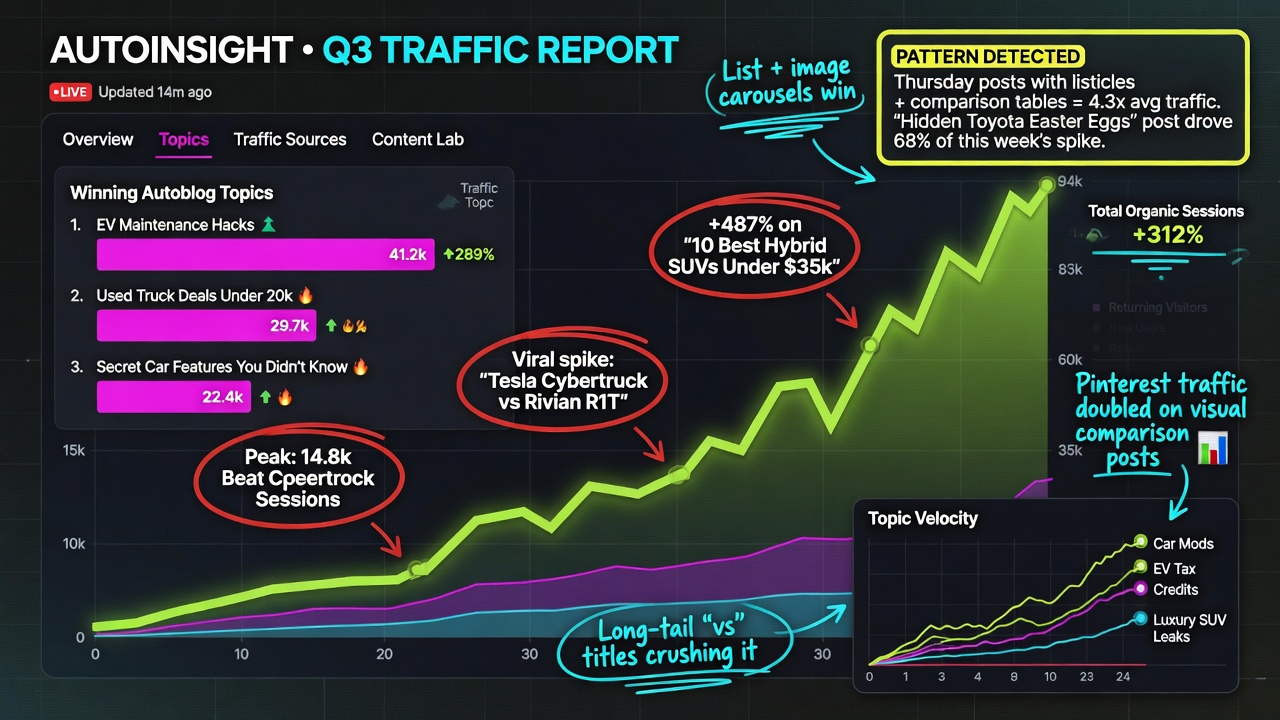
Once your automated publishing system is live and your E-E-A-T signals are in place, the work doesn't stop. To ensure long-term SEO success, you must transition from creator to analyst, monitoring how search engines and users interact with your content.
Focus on key metrics that indicate true engagement and search visibility: organic impressions, click-through rates (CTR), dwell time, and conversions. These metrics tell you whether your AI-generated topics are actually resonating with real people.
To keep your strategy sharp, implement a quarterly review cadence. Every three months, analyze your top-performing posts to identify successful patterns. Use these insights to refine your AI prompt templates, double down on high-performing content clusters, and prune or update underperforming articles. By continuously iterating based on real-world performance, you transform a passive publishing loop into a highly optimized, traffic-driving engine.
Continuous refinement — Establish a quarterly review of organic impressions and engagement metrics to refine your prompts and double down on what works.Key Takeaways
Discover how Flows can help you build a controlled, high-performing AI publishing engine that drives real search traffic and keeps your readers engaged.
Frequently asked
Yes, auto blog posting is safe for SEO in 2026 when it is used as a controlled publishing system, not as a shortcut for flooding Google with generic pages.
No, Google does not penalize AI content inherently. However, using automation—including AI—to generate content with the primary purpose of manipulating ranking in search results is a violation of their spam policies.
Prioritize quality over quantity. Data shows that five well-edited AI posts per week will outperform 50 thin posts per day.
You should edit every auto-generated piece before it goes live. Add personal insights, real-world examples, or original analysis to stand out in search results.
Write clear prompts that tell the AI exactly what you need, making sure to include your target keyword, tone, and format.