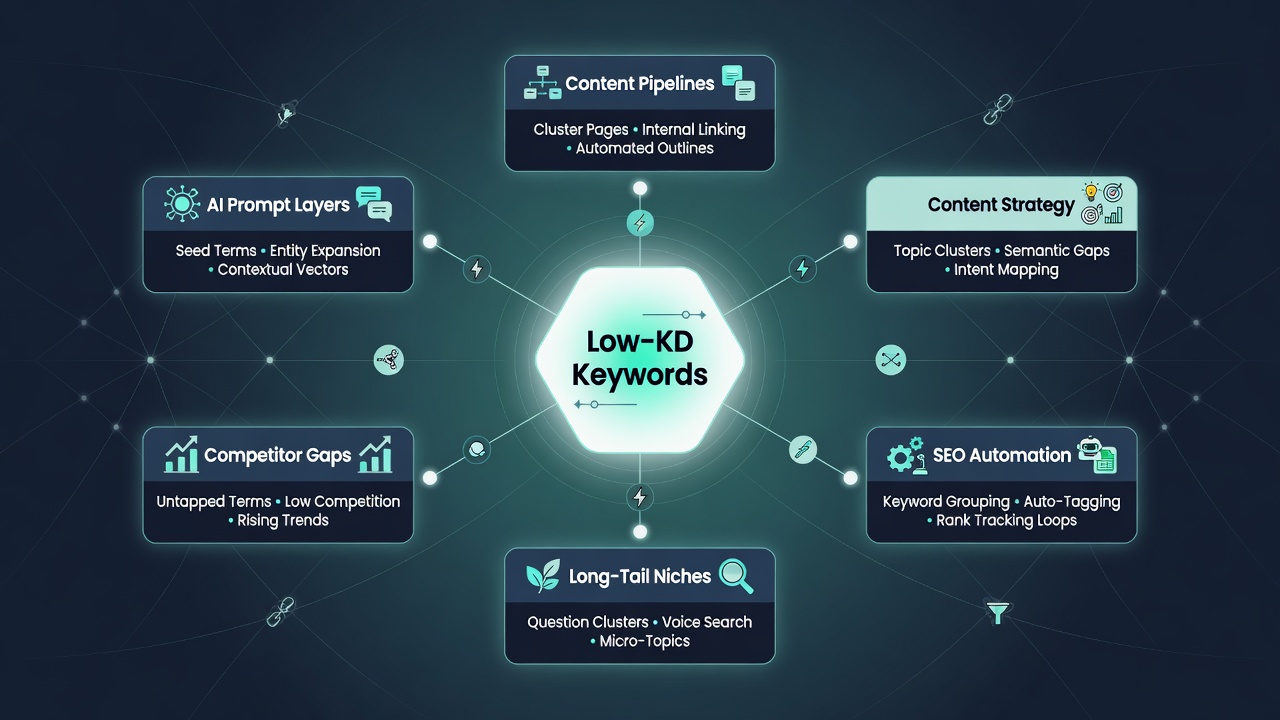
Automating Keyword Research in AI Publishing Pipelines
In the rapidly evolving landscape of digital marketing, the traditional approach to search engine optimization is undergoing a profound shift. Historically, digital marketers spent hours manually scraping search terms, analyzing metrics, and grouping related topics into spreadsheets. Today, sophisticated pipelines are changing the game by automating these tedious tasks. By leveraging advanced automation platforms, businesses can construct automated pipelines that extract 1,000+ keywords from competitors and instantly flag emerging opportunities with substantial search velocity spikes.
This transition to programmatic search engine optimization is not merely about speed; it is about establishing a continuous, intelligent loop of discovery and production. Advanced workflows seamlessly connect raw search metrics with generative AI engines to systematically analyze user intent, group terms by search engine results page similarity, and output fully formatted content briefs. By removing human friction from the initial discovery phase, publishers can maintain a highly responsive and data-driven editorial calendar.
Ultimately, automating the discovery and clustering phase serves as the foundation for modern content systems. When keyword discovery feeds directly into automated drafting and publishing engines, the cost and time required to scale organic reach drop dramatically. In the following sections, we will explore the architecture of these automated keyword pipelines, the tools required to build them, and how to seamlessly transition structured data into high-quality, publish-ready assets.
- 1
Modern AI pipelines automate the entire SEO journey from raw seed keywords to clustered, structured content briefs.
- 2
Automated systems can analyze competitor profiles to extract over 1,000 keywords and identify trending terms with significant velocity spikes.
- 3
Integrating programmatic search data with generative AI tools eliminates manual spreadsheet analysis and speeds up content production.
- 4
Streamlined keyword-to-content workflows significantly lower the cost of scaling high-quality, organic search footprints.
From Seed Keyword to Full Strategy: Building the Core Automation Workflow
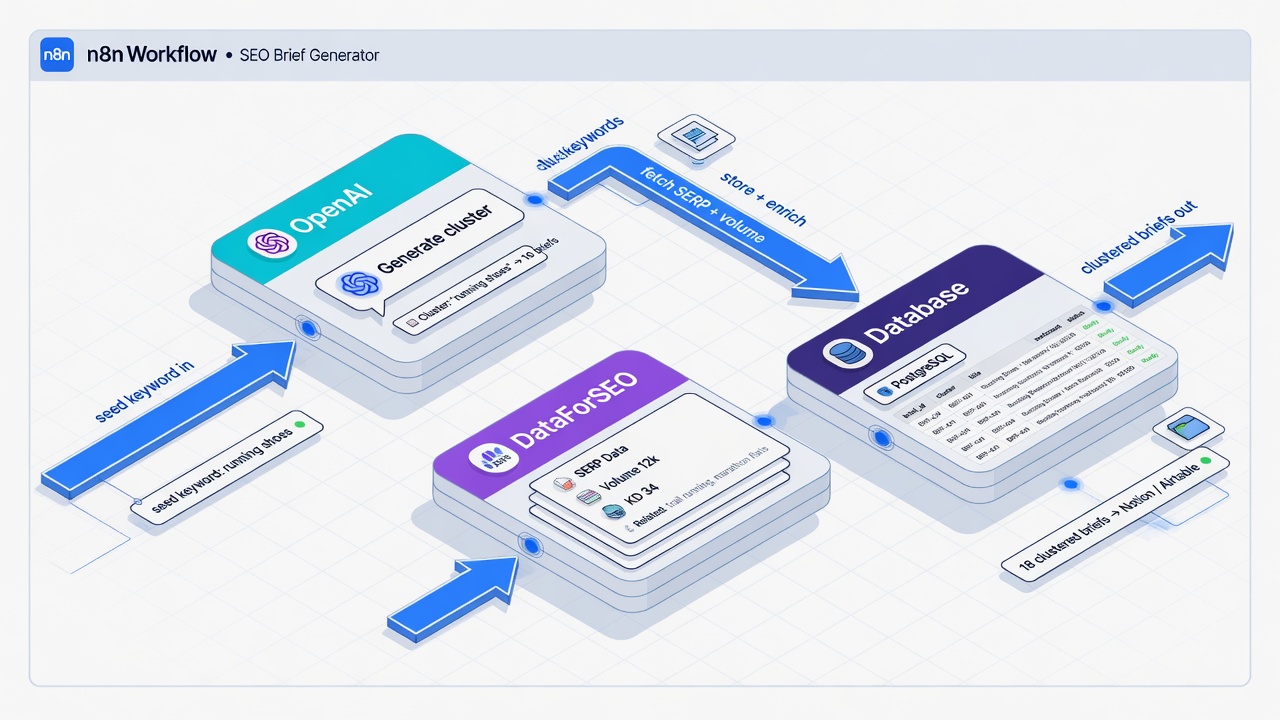
To realize this dramatic drop in scaling costs, teams must move past manual spreadsheet analysis and build a continuous, event-driven data pipeline. Rather than treating keyword research as an occasional brainstorming exercise, modern SEO automation treats it as the foundational trigger for the entire publishing engine.
At the heart of this operational shift is the integration of programmatic SEO data with generative intelligence. By utilizing n8n workflows to connect OpenAI with DataForSEO, teams can completely automate comprehensive keyword research and output fully structured strategies for content creation without human intervention. This setup allows a user to input a single, broad seed keyword and automatically receive a prioritized roadmap of highly targeted search terms.
How the Automated Pipeline Functions
- Seed Injection: A single seed keyword is entered into the workflow, triggering the n8n automation.
- Data Extraction: The DataForSEO API programmatically retrieves hundreds of related search terms, search volume metrics, and keyword difficulty scores.
- AI Synthesis: OpenAI processes this raw data, categorizing search intent and mapping out logical content clusters.
Clustering Keywords and Surging Trends in the Automation Engine
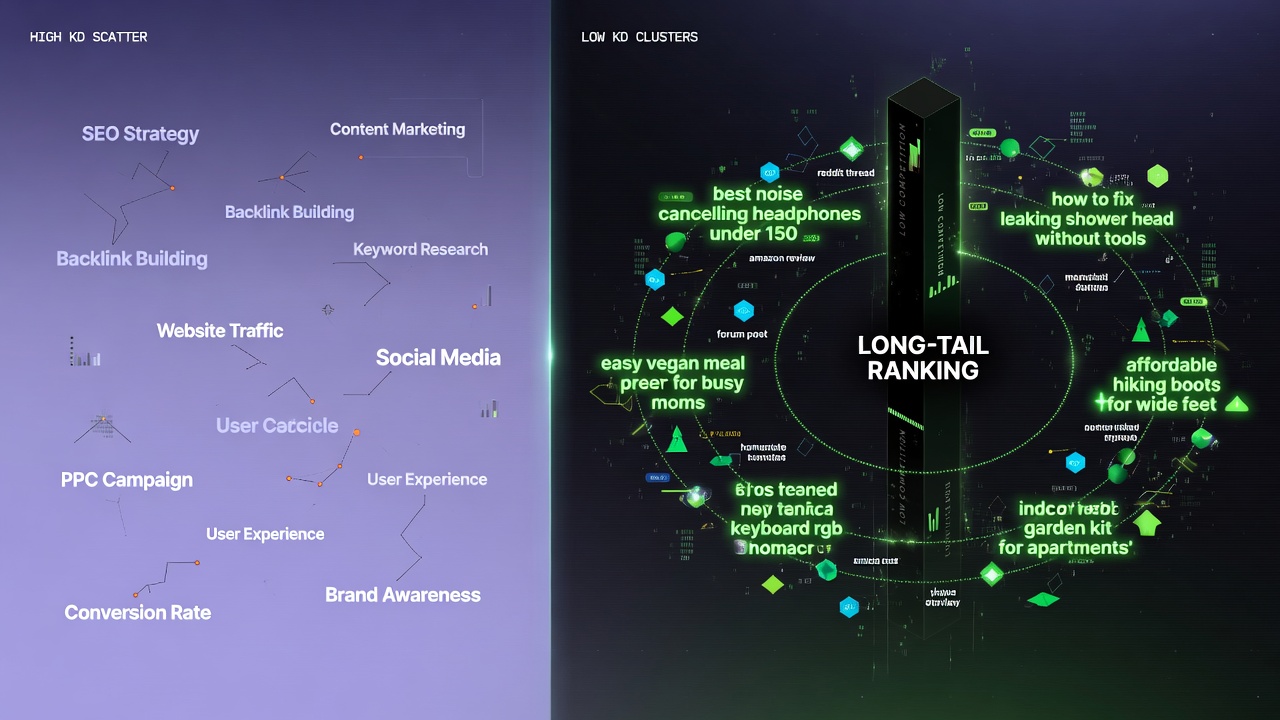
Once the raw data is retrieved, the true power of an automated system lies in how it synthesizes this information. Instead of human analysts spending hours grouping keywords into logical clusters, AI agents automate topic clustering by analyzing SERP overlap, ensuring that similar search intents are mapped together under single, comprehensive authority pillars.
A robust system can extract 1,000+ keywords from competitor profiles and immediately isolate high-value targets. By setting algorithmic thresholds, the pipeline automatically flags trending keywords experiencing 50%+ search velocity spikes. This predictive layer allows publishers to secure early rankings on surging topics before competitors even spot the trend.
Automated Clustering — By grouping 1,000+ keywords based on SERP overlap and instantly isolating terms with 50%+ velocity spikes, AI engines build high-yield, trend-responsive content strategies without manual bottlenecking.
Bridging the Gap: Routing Clustered Briefs Directly Into the Publishing Pipeline
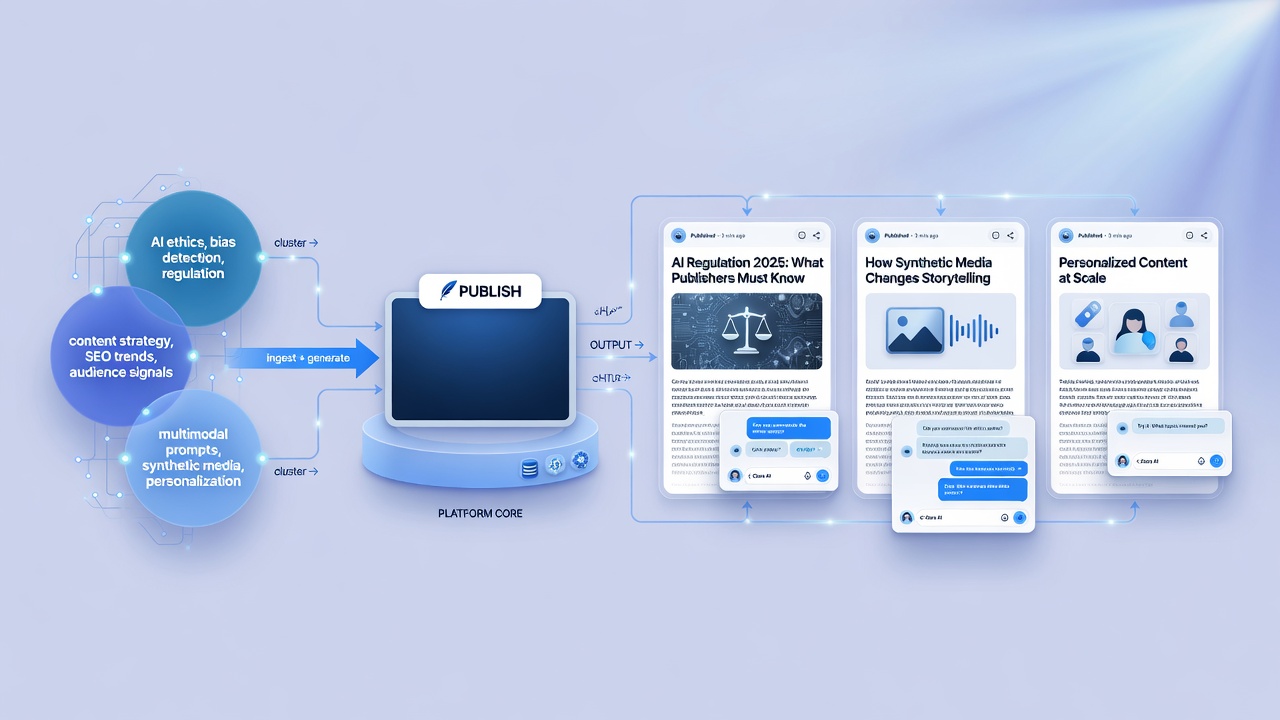
Once the automation engine has isolated these high-velocity clusters, the next phase is bridging the gap between raw keyword data and active content production. Instead of exporting CSV files and manually assigning them to writers, modern workflows route these structured briefs directly into drafting and publishing steps. This seamless handoff eliminates the traditional operational lag, transforming real-time search insights into live, indexed content within hours rather than weeks.
To achieve this level of operational fluidity, publishers rely on comprehensive ecosystems that handle the entire content lifecycle. For instance, Distribb provides full-stack automation from keyword research through content calendar, drafting, publishing, and backlink exchange. By unifying these disparate steps into a singular pipeline, the system ensures that as soon as a keyword cluster passes validation, it is immediately converted into a structured brief, scheduled on the content calendar, and drafted with optimized headings and natural keyword integration.
Integrating Rich Media, Interactive Chat, and Monetization
A fully automated pipeline must produce content that engages readers and drives revenue. Beyond standard text generation, advanced workflows inject rich media, schema markup, and interactive elements directly into the final output. This includes embedding dynamic AI chat widgets inside the articles to help readers navigate complex topics, answer follow-up questions, and guide them toward monetization touchpoints—such as affiliate offers, lead generation forms, or product recommendations—without requiring manual development work.
Scaling Safely: Combining Ultra-Low Production Costs with Human-in-the-Loop Oversight
conversions. By embedding these interactive elements directly into the page, publishers can turn passive search traffic into active, converting readers. Because the entire pipeline—from raw keyword discovery to final publishing—is programmatically linked, the marginal cost of producing and maintaining these high-value assets drops dramatically.
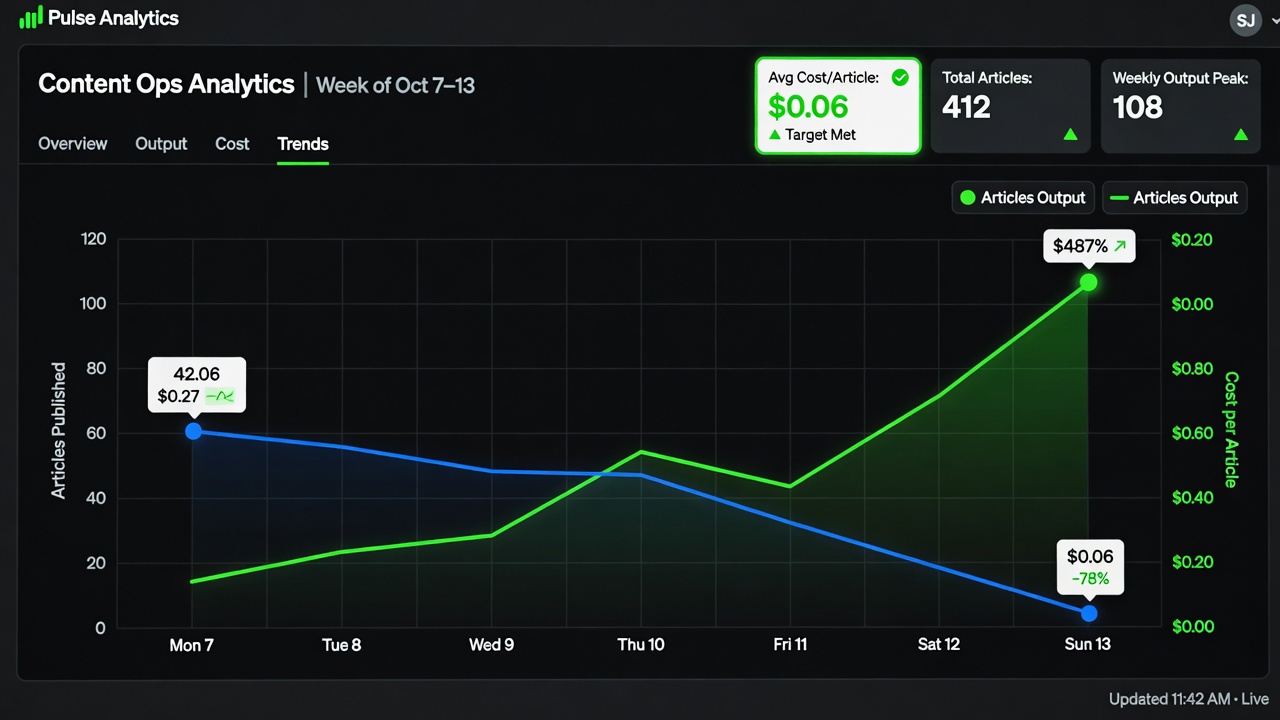
In fact, when leveraging advanced LLMs like Anthropic AI, automated keyword-to-content systems can produce fully optimized, structured pieces for as little as $0.06 each. This hyper-efficiency allows digital publishers to scale their output significantly without incurring the heavy financial overhead traditionally associated with content production.
However, scaling successfully requires balancing this automation speed with brand safety. While the AI agent handles the heavy lifting—such as scanning thousands of keywords, clustering intent, and generating drafts—introducing a light human-in-the-loop review process is critical. A quick editorial check ensures perfect brand alignment, factual accuracy, and a cohesive tone of voice before the content goes live.
By combining the raw power of automated trend monitoring with this light human oversight, publishers can maintain an agile, high-velocity content engine that dominates search engine results pages while remaining highly cost-effective.
Cost-Effective Scale — Combining automated keyword pipelines with LLMs allows publishers to produce optimized content for as low as $0.06 per article, using a hybrid human-in-the-loop model to guarantee brand safety and quality at high volumes.Key Takeaways
Start automating your content pipeline today by integrating programmatic keyword research with Flows to scale your publishing effortlessly.
Frequently Asked Questions
Automation workflows, such as those built on n8n, connect data engines like DataForSEO with OpenAI to automatically pull search volumes, evaluate keyword difficulty, and cluster terms by semantic relevance.
Yes, advanced automated systems can continuously monitor competitor profiles and search data to extract over 1,000 keywords and flag fast-rising terms experiencing velocity spikes of 50% or more.
By leveraging automated pipelines and advanced AI models, publishers can generate highly optimized, search-ready articles for as little as $0.06 per piece.
Yes, platforms like Distribb offer comprehensive automation by bundling keyword research, content drafting, calendar scheduling, publishing, and backlink exchanges into a single workflow.
You Might Also Like