Advanced AI Chat Monetization Strategies for Autoblogged SEO Articles
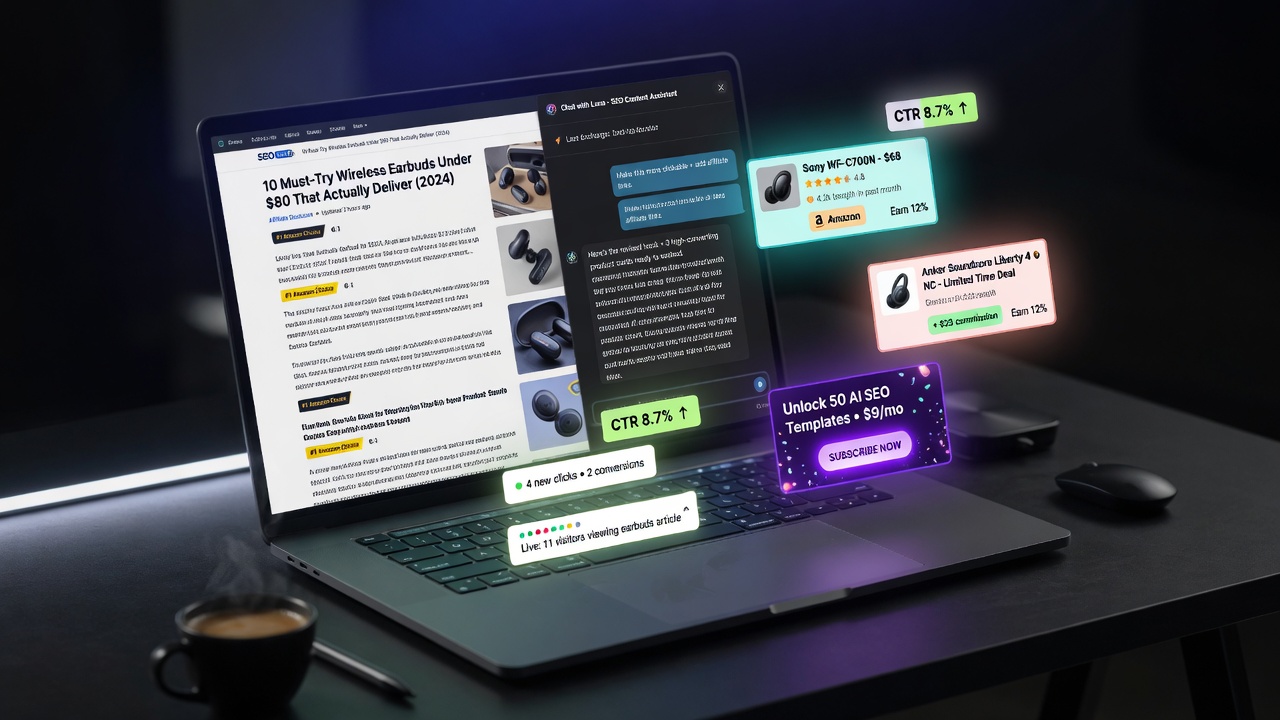
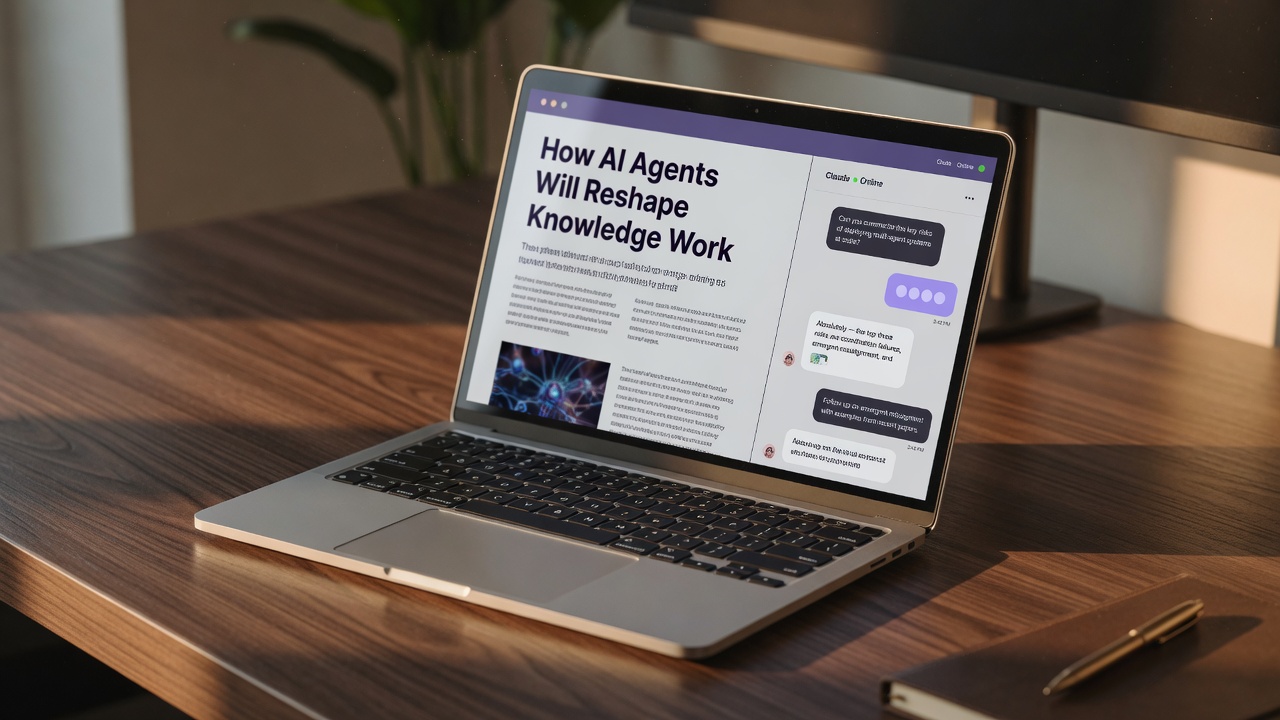
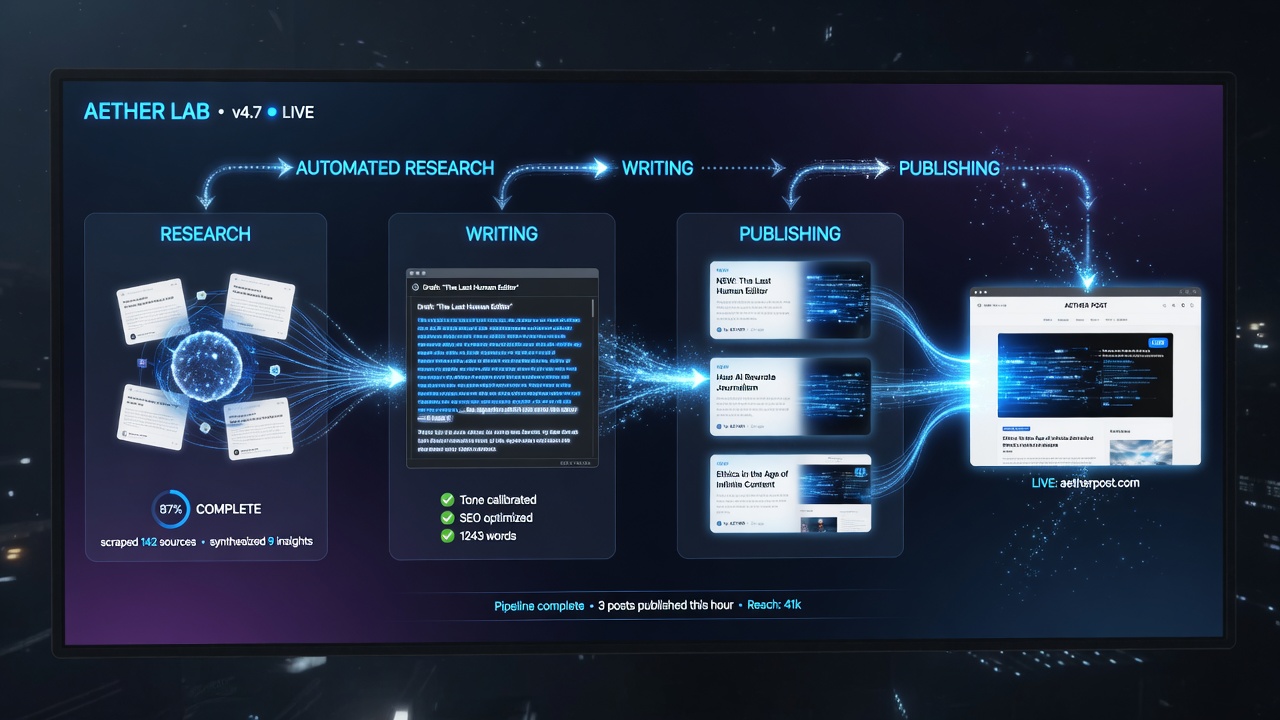
Traditional autoblogging is highly efficient at driving organic search traffic to your pages, but converting those passive readers into paying customers remains a persistent challenge. Relying solely on static affiliate links or banner ads often results in missed opportunities, as readers quickly skim the content and bounce. To truly maximize the value of every visitor, publishers are turning to a more dynamic solution: integrating interactive AI chat assistants directly into their automated articles.
By transforming your articles from static text walls into active, conversational environments, you can capture reader intent at the exact moment they are seeking information. Instead of hoping a reader scrolls past a generic banner, an in-article AI assistant can answer specific user queries, recommend tailored products, and dynamically deliver affiliate offers. This interactive layer bridges the gap between automated content production and high-converting user engagement.
In this guide, we will explore the advanced strategies required to position AI chat as a primary monetization engine. We will cover how to route affiliate links contextually, capture valuable email leads, and balance conversational monetization with programmatic advertising to maximize your overall revenue per session.
- 1
Static automated content often suffers from low engagement and high bounce rates.
- 2
Integrating interactive AI chat assistants directly into SEO articles creates an active, real-time conversion layer.
- 3
AI chatbots can dynamically answer reader queries and deliver personalized affiliate recommendations.
- 4
This conversational approach helps publishers monetize traffic effectively before reaching high programmatic ad thresholds.
Turning Passive Readers into Buyers with Real-Time Affiliate Routing
To turn this vision into reality, we have to start where most readers make their buying decisions: right inside the content they are reading. Traditional autoblogging has long relied on static monetization, where you embed affiliate links from networks like Amazon Associates, ClickBank, or niche-specific programs directly within relevant content [e1]. While this still works to capture basic search intent, it often misses the readers who leave because they did not find their exact, hyper-specific answer in the body text.
Many digital marketers look at AI tools like ManyChat, which use ChatGPT-powered chatbot responses to handle link routing and affiliate offer delivery inside social media chat flows [e3]. However, relying solely on social-DM automation forces readers off your website and into external messaging apps. The real breakthrough for SEO automation is bringing that conversational intelligence directly onto your page. By embedding an interactive AI chat assistant right inside your automated articles, you keep the reader engaged on your domain while answering their questions in real time.
How Dynamic Link Routing Works in Practice
Instead of hoping a reader clicks a static banner, the in-article AI chat listens to what they actually need and swaps affiliate links dynamically. Here is how this conversational funnel works in real time:
- Contextual Analysis: The AI assistant reads the article's context and the user's specific question to understand their immediate buying intent.
- Real-Time Matching: It matches the query against your pre-approved list of affiliate offers from networks like Amazon Associates [e1].
- Instant Link Delivery: The assistant delivers a helpful, natural response containing the precise, tracked affiliate link directly in the chat window.
This approach transforms the static reading experience into a personalized shopping consultation. By addressing objections and offering direct product matches instantly, you capture high-intent clicks that traditional, static layouts completely miss. This sets the stage for even deeper user engagement, where we can begin prompting readers to take action beyond just simple product clicks.
Conversational Affiliate Routing — By embedding AI chat directly within your articles instead of relying on external social DMs, you can dynamically match user questions to specific affiliate links in real time, dramatically increasing conversion rates.Conversational Nudges: Converting Casual Readers Into Paid Subscribers
Moving beyond simple affiliate links, an interactive AI chat assistant serves as a highly sophisticated tool for growing your subscription base. Instead of relying on annoying, site-wide pop-ups that disrupt the reading experience, the assistant waits for the perfect moment to introduce a paid membership or newsletter signup.
Detecting High-Intent Signals in Real Time
By analyzing the user's real-time questions, the AI can detect precisely when a reader has transitioned from casual browsing to deep, high-intent interest. For instance, when a user asks for advanced implementation steps, downloadable templates, or proprietary data, they are signaling a readiness to pay for premium value.
Matching the Right Tier to the Reader
Once this premium intent is detected, the AI dynamically surfaces the specific subscription tier or digital product that aligns with the conversation. If a reader is asking basic introductory questions, the assistant might suggest a free newsletter tier to nurture the lead. However, if the query involves scaling operations, the AI can instantly present a premium, paid membership tier, complete with a direct checkout link right inside the chat window.
To ensure this strategy remains highly profitable, publishers can measure the conversion lift directly. By comparing the performance of these conversational prompts against traditional static opt-in forms, you gain clear visibility into how interactive engagement drives revenue. By understanding exactly what your readers are searching for and when they are ready to convert, you also gather incredibly rich data. This behavioral data can do much more than just drive subscriptions—it can also be used to dynamically change how other monetization elements, like ads, behave on the page.
Conversational Subscription Triggers — AI assistants detect high-intent reading signals in real time, allowing them to pitch personalized subscription tiers contextually and dramatically increase conversion rates compared to generic paywalls.Turning Conversation into Context: How Chat Data Dynamically Powers Smarter Ad Placements
Instead of plastering static banners across your content, you can feed real-time chat data directly into your ad server to optimize ad loads on the fly. Because programmatic ads make up over 90% of U.S. digital display ad spending, the industry is already geared towards algorithmic buying. By integrating your in-article AI chat assistant with your ad manager, you can turn generic ad slots into highly contextual, high-yield placements based on the exact topic the reader is typing.
This integration also allows you to intelligently manage ad fatigue. If a reader is deeply engaged in a multi-turn conversation with your AI assistant, the last thing you want is a sudden pop-up disrupting their flow. You can set rules that temporarily reduce ad density while the user is actively typing, then serve a highly relevant, premium ad right as the conversation wraps up. This keeps the user experience clean while maximizing the value of every impression.
For autobloggers, keeping users engaged isn't just about immediate ad clicks—it is also about building the consistent, high-volume traffic required by elite monetization partners. For instance, programmatic ad networks like Mediavine require 50,000+ sessions per month before you can unlock their premium, high-RPM tiers. By using interactive AI chat to increase dwell time and decrease bounce rates, your site registers longer, more valuable sessions. This accelerated user engagement helps you hit those critical traffic thresholds much faster, transforming a simple autoblog into a highly profitable media property.
As we look to build deeper trust and keep readers engaged even longer, the next logical step is addressing their immediate, burning questions before they even have to ask.
Dynamic ad optimization — Feeding real-time AI chat topics and engagement metrics into programmatic ad servers maximizes ad revenue without causing user fatigue, ultimately speeding up the journey to premium ad network thresholds.
Predictive FAQ Engines: How Automated Answers Drive High-Value Affiliate Conversions
This is where predictive AI-generated FAQs come into play. Instead of waiting for a reader to type a query, an intelligent in-article chat assistant can anticipate objections and surface tailored questions directly in the chat interface. By leveraging AI to auto-generate affiliate FAQs, publishers can ensure consistent, professional responses to complex user queries at scale. Creating an AI-powered FAQ document that auto-generates answers not only saves administrative time but also keeps the voice of your brand entirely uniform across hundreds of automated articles.
However, these automated FAQs shouldn't just serve as a passive library of information. To truly monetize autoblogged content, every generated response must align with your broader revenue goals. When a user interacts with a suggested question about a product's durability, the AI doesn't just deliver a dry specification sheet. Instead, it crafts a response that highlights the product's strengths while naturally weaving in a contextual affiliate link or a comparison chart. This ensures that helpfulness and profitability go hand-in-hand.
By turning standard FAQs into interactive conversion touchpoints, you transform a static reading experience into a guided sales funnel. If a reader asks about pricing, the AI can instantly serve an FAQ response paired with an exclusive discount code or a direct "Buy Now" button. Because these interactions happen dynamically within the chat window, they bypass the banner blindness that plagues traditional display ads. The result is a highly personalized, high-trust environment where the reader gets immediate clarity, and the publisher secures a frictionless conversion. However, inserting these highly interactive revenue elements must be done carefully to avoid disrupting the search engine signals that brought readers to the page in the first place.
Predictive FAQs convert — Automating professional, monetization-aligned FAQs within your in-article chat resolves reader objections in real time, turning routine questions into high-yield affiliate conversions.
SEO-First Chat Integration: Protecting Rankings While Multiplying Conversions
This delicate balance is where many publishers hesitate. They worry that adding heavy interactive scripts or dynamic chat interfaces will tank their Core Web Vitals, or that search crawlers will misinterpret the conversational text and dilute the page's core keyword targeting. Fortunately, with a smart technical setup, you do not have to choose between search visibility and conversational revenue.
To keep your keyword targeting razor-sharp, the primary SEO content must remain the star of the show. Search engine bots should crawl your main article body—optimized with your target keywords and natural headings—without getting distracted by the chat interface. By lazy-loading the AI chat widget or rendering it client-side after the main document object model (DOM) has fully loaded, you ensure that search crawlers index your core, high-value editorial content first. The chat remains an assistive overlay for human readers, completely invisible to bots in a way that prevents any unintended keyword dilution.
Page speed and mobile usability are critical ranking factors that cannot be compromised. Heavy JavaScript bundles can quickly drag down your mobile performance scores. To combat this, the chat script should be lightweight and load asynchronously. This means the visual elements of your article—the text, images, and layout—render instantly for the user, while the chat assistant initializes quietly in the background. If a reader is on a slow mobile connection, they still experience a lightning-fast page load, keeping your bounce rates low and your search signals strong.
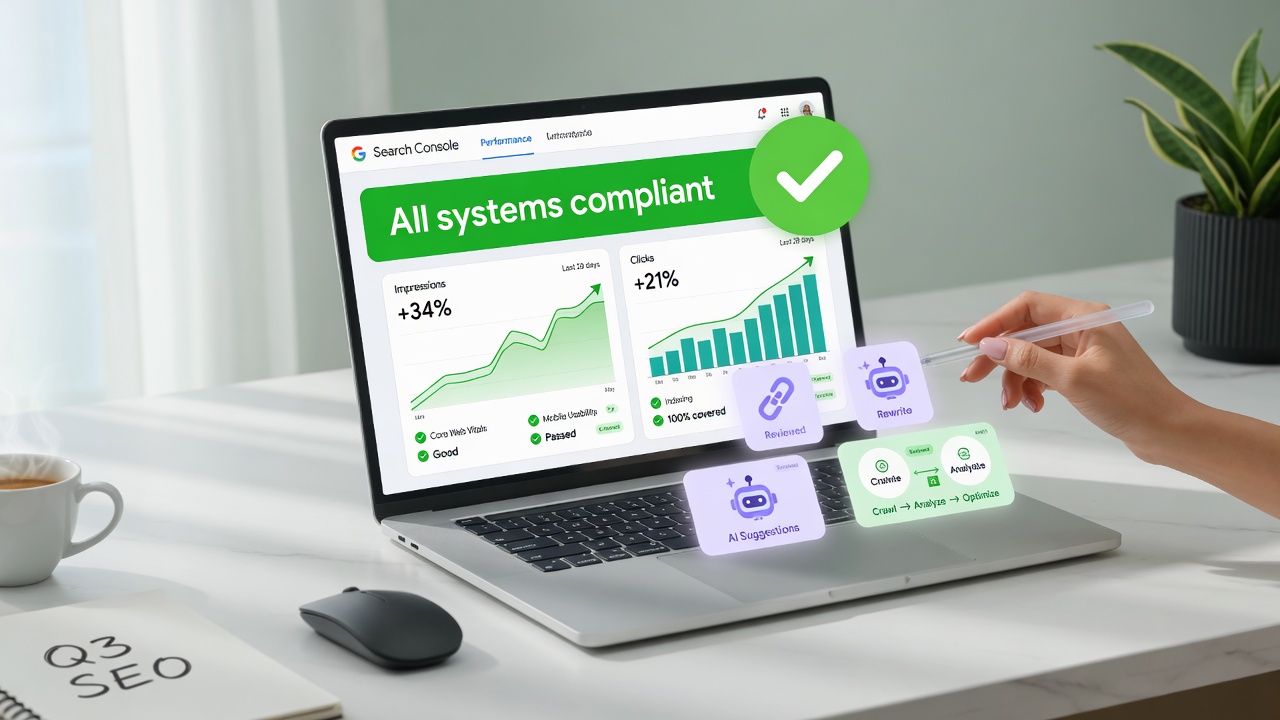
Keeping your site penalty-free also requires a clean separation of concerns between your automated content and the interactive monetization layers. Your published articles should always focus on providing genuine, human-centric value that satisfies search intent. When you combine high-quality, automated content with a non-intrusive, helpful chat assistant, search engines view your site as an authoritative, highly engaging resource. By structuring your monetization tools as helpful, user-initiated features rather than aggressive, intrusive pop-ups, you maintain a flawless user experience that search algorithms naturally reward.
Technical isolation is key — Lazy-load your interactive AI chat assistants and serve them asynchronously to protect your page speed, preserve keyword targeting, and keep your automated SEO site fully compliant with search engine guidelines.
Key Takeaways
Supercharge your automated content strategy and turn passive readers into active buyers by deploying Flows AI chat monetization on your site today.
Frequently Asked Questions
AI chatbots engage readers directly by answering specific questions and recommending products based on the conversation context. This real-time personalization guides users directly to relevant affiliate links, resulting in significantly higher conversion rates than static banners.
Yes, programmatic ads and AI chat work together to maximize revenue. While programmatic ads monetize general page views, the AI chat assistant focuses on high-intent readers to drive affiliate sales and email sign-ups.
Premium programmatic ad networks like Mediavine typically require 50,000+ sessions per month to qualify for higher RPMs. Utilizing AI chat allows you to monetize your traffic effectively even before reaching this threshold.
AI can auto-generate affiliate FAQs and provide consistent, professional responses to user inquiries. This automates customer service and ensures that readers receive accurate product details instantly.
Absolutely. The AI assistant can offer lead magnets, newsletters, or exclusive discount codes during the conversation, capturing email addresses and feeding them directly into your marketing funnel.