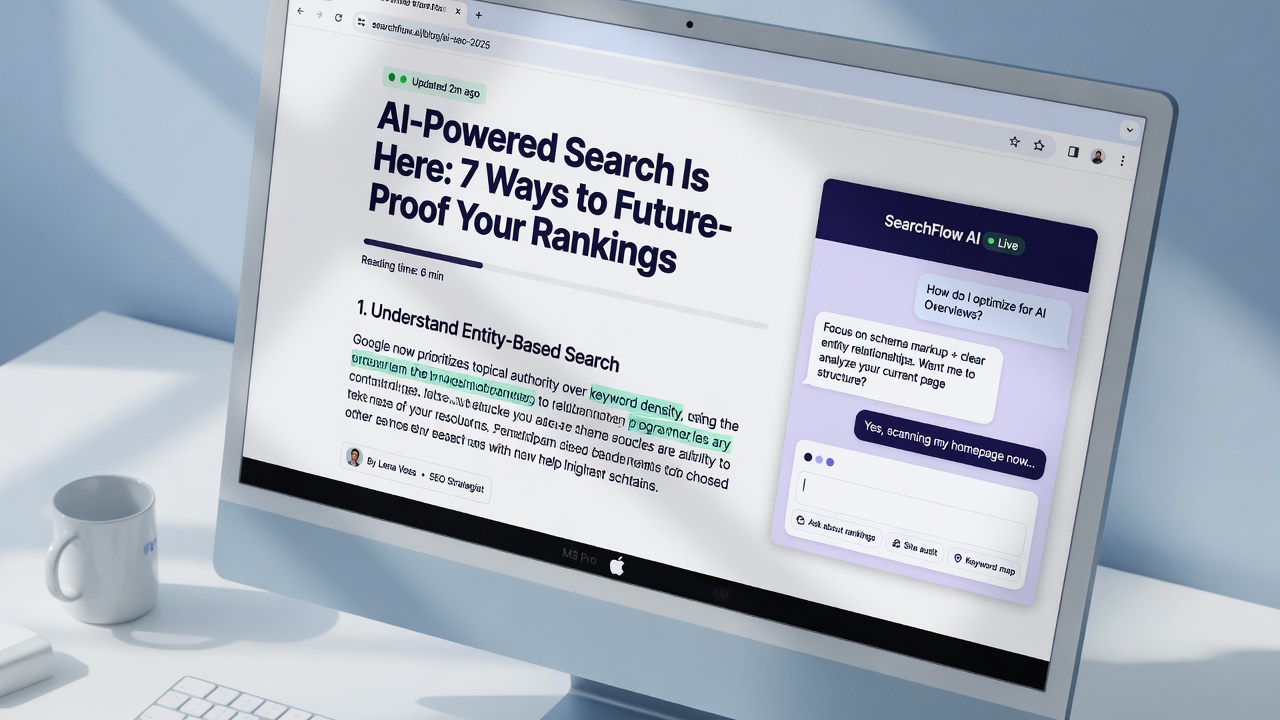
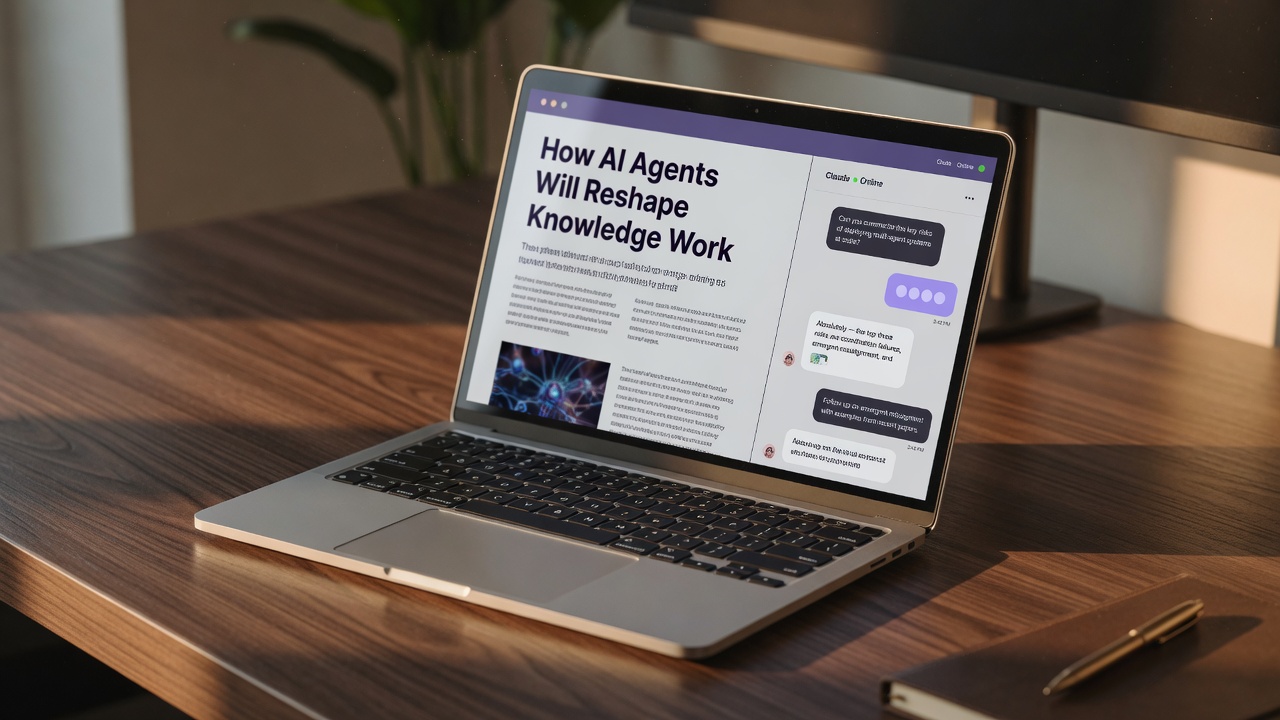
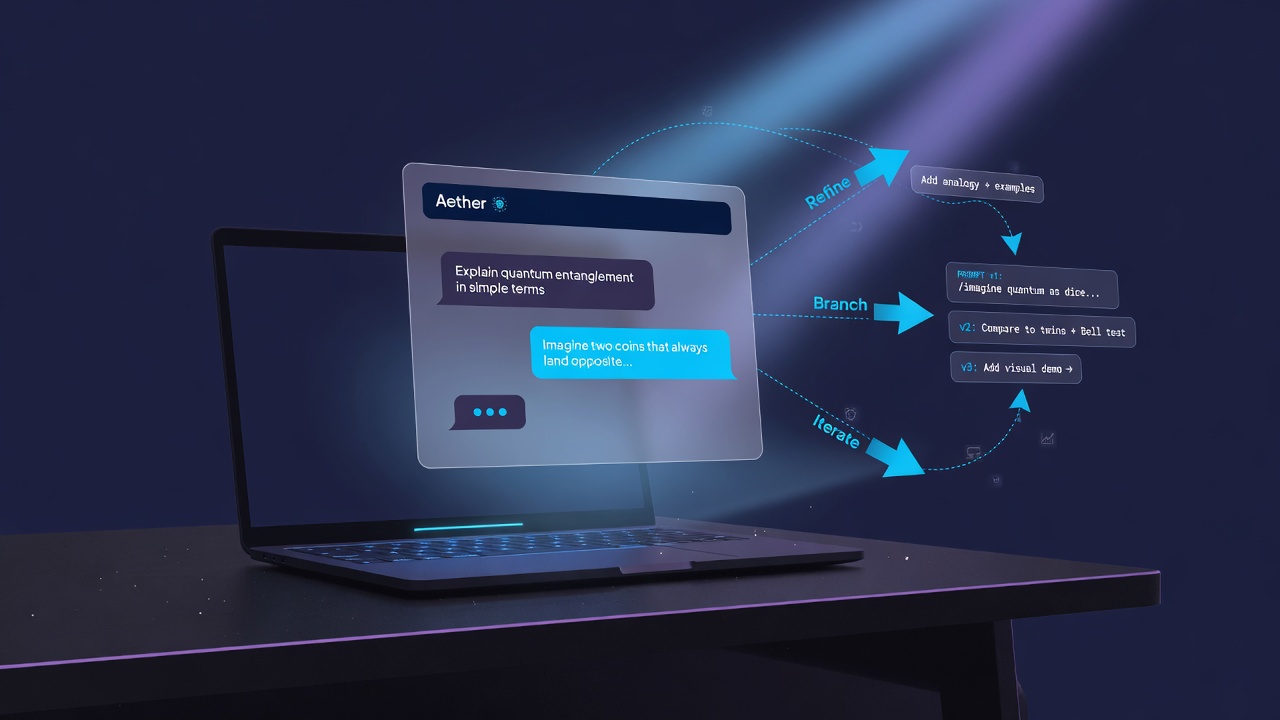
A/B Testing AI Chat Placement in SEO Articles
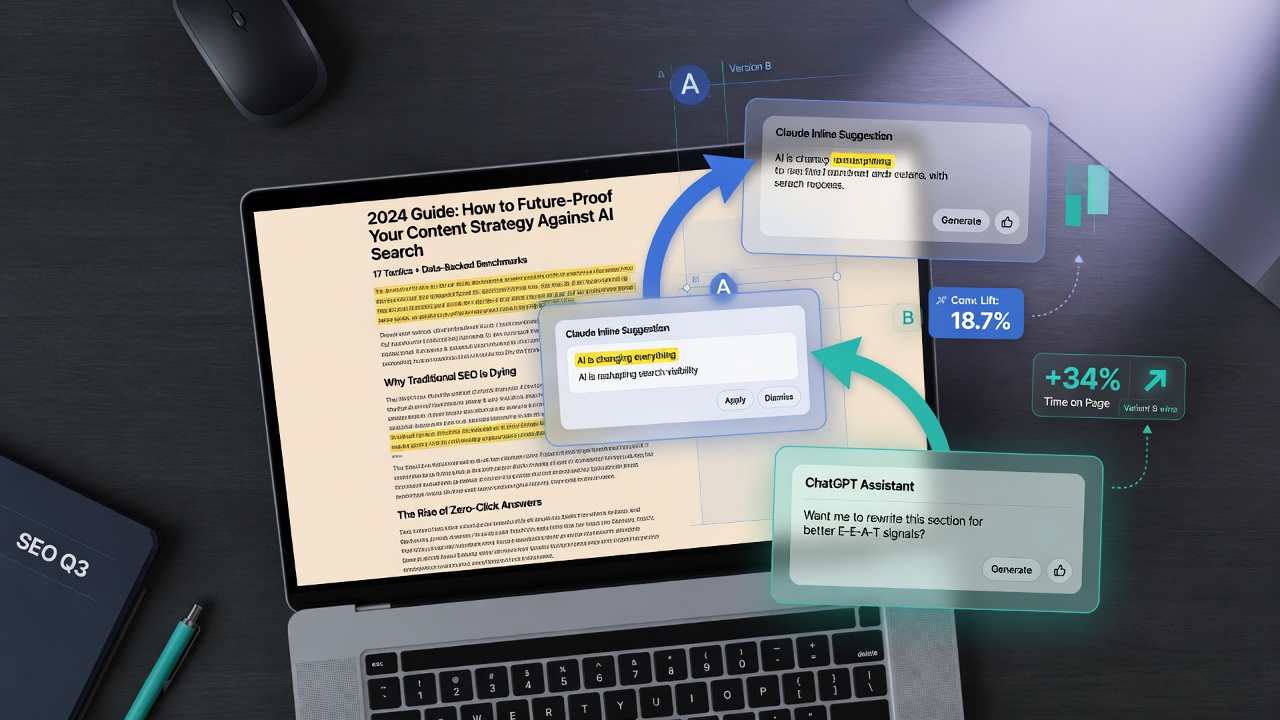
Publishing high-quality SEO content is only half the battle; keeping readers engaged long enough to convert is where the real challenge lies. Integrating an interactive AI chat directly into your articles is a powerful way to guide readers, answer their questions in real time, and drive monetization. However, simply dropping a generic widget into the bottom-right corner of your site and hoping for the best rarely yields optimal results.
To truly unlock the value of conversational AI, you need a data-driven approach to where, when, and how your chat interface appears. Research shows that websites using AI chatbots see a 23% average increase in conversion rates compared to those without, according to Chatbot Widget Positioning: Best Practices for Visibility and Conversions. Furthermore, making small strategic adjustments can have massive payoffs; an optimized widget setup can reach 45% of visitors compared to just 5% for always-on defaults, as noted by Chat Widget Design: 7 Fixes That Boost Ecommerce Conversions. By testing different positions, timing triggers, and compliance-friendly disclosures, you can transform your static articles into dynamic, high-converting experiences.
This playbook details exactly how to structure, execute, and analyze A/B tests for your article-level AI chat integrations. Let us begin by exploring why the physical placement of your chat widget on the page dictates how readers interact with your content.
- 1
Systematic A/B testing of AI chat widgets can increase reader engagement by 15% to 30% and significantly boost conversion rates.
- 2
Testing alternative placements like inline or bottom-left alongside proactive timing triggers prevents widget fatigue and improves visibility.
- 3
Optimizing chat widget triggers can expand visitor reach from a mere 5% default up to 45%.
- 4
Compliance with upcoming regulations, such as the EU AI Act's August 2026 transparency rules, is essential when deploying user-facing AI chat.
The Measurable Impact of AI Chat on Content Performance
Before diving into the mechanics of testing, we must look at the baseline performance shift that an interactive assistant brings to your standard blog post. Traditional SEO articles rely heavily on static call-to-actions, sidebars, or bottom-of-page forms to capture intent. But readers are increasingly experiencing "banner blindness" toward these passive elements. AI chat completely changes this dynamic. When you embed an interactive AI assistant directly into your informational content, you transform a passive reading experience into an active, two-way dialogue. This shift directly impacts your bottom line, as websites using AI chatbots see a 23% average increase in conversion rates compared to those without. Furthermore, businesses using AI chatbots see conversion rates roughly 3x higher than static forms.
Simply throwing an "always-on" widget in the bottom-right corner is rarely the optimal solution. While bottom-right is the standard default, it can block text or get ignored. This is why optimized widgets reach 45% of visitors versus just 5% for always-on defaults. By implementing proactive triggers—such as prompting the user after 30 to 60 seconds of reading or detecting exit intent—you catch the reader when they are most likely to have a question. A/B testing these placements, timing intervals, and custom greetings can lift chat engagement by 15% to 30%, helping you maximize the value of your organic traffic.
However, as you roll these out, remember that compliance is key. Under upcoming regulations like the 2026 EU AI Act, transparency is mandatory. You must clearly disclose that users are interacting with an AI, practice strict data minimization, and provide clear consent mechanisms to maintain trust. With the business case established, let's break down the specific placement variables you should run through your testing pipeline.
Active engagement wins — Transitioning from static forms to optimized AI chat widgets can increase conversions by 3x, but capturing this value requires systematic testing of placement, proactive triggers, and strict compliance standards.
The High-Impact Placement and Timing Variables to Test First
While the bottom-right corner is the default standard for most web widgets, long-form SEO articles demand a more nuanced approach. A static icon in the corner can easily blend into the background or, worse, block essential text on mobile screens. Testing alternative placements—such as the bottom-left corner or embedding the AI chat inline directly within the body copy—can dramatically improve visibility without disrupting the reader’s flow.
Timing and Triggers: Capturing Attention at the Right Moment
Beyond physical location, timing is everything. Instead of loading the chat immediately, try testing proactive triggers. Initiating the chat after a reader has been on the page for 30 to 60 seconds, or triggering it when they exhibit exit intent, captures their attention precisely when they might need assistance or are preparing to leave. This ensures the interaction feels helpful rather than intrusive.
The copy used to initiate the conversation is just as critical. A simple greeting change can increase chat engagement by 15–30%. A personalized greeting tailored to the article's topic converts passive readers into active participants far better than a generic "How can I help you?".
To prevent negative user experiences, you should also establish page-type specific rules. For instance, you might want to suppress the widget on high-intent checkout or landing pages to avoid distraction, while keeping it highly active on informational SEO articles to boost dwell time and navigation. With these variables in mind, the next step is building a structured framework to run these tests systematically.
Strategic variables drive engagement — Testing alternative positions, proactive triggers, and customized greetings can significantly lift reader interaction without hurting UX.
The Step-by-Step Blueprint for Testing Your AI Chat Placements
Translating these variables into a concrete experiment requires a structured approach. You cannot simply toggle settings on and off and hope for clear answers. Instead, you need a blueprint that isolates your changes while protecting the reading experience.
Setting up these guardrails ensures that your experimentation doesn't inadvertently harm your search rankings or user flow. By keeping the test contained to informational content, you can safely gather insights on how users interact with the chat helper. Once your test is running correctly, the focus shifts to measuring the right outcomes to determine which layout actually wins.
Structured testing — Isolating your AI chat experiments to informational SEO pages protects your transactional funnel while giving you the clean data needed to optimize engagement.
Measuring What Matters: The SEO Metrics That Prove Your Chat is Working
To find the real winner, you have to look beyond basic click rates. The first step is monitoring how the AI chat affects core reader behavior, specifically scroll depth and bounce rates. When an AI chat assistant is placed correctly, it acts as an intuitive guide rather than a distraction. If readers are engaging with the chat and staying on the page to explore the generated answers, you should see an increase in scroll depth. Conversely, if an intrusive placement annoys users, your bounce rate will rise. Tracking these behavioral shifts ensures your integration supports, rather than disrupts, the organic reading experience.
Next, you need to watch how the chat influences internal link clicks and ultimate goal completions. A smart AI assistant helps navigate users deeper into your site by suggesting relevant resources or product pages within the conversation. If your analytics show a lift in secondary page views from chat users, the assistant is successfully driving deeper site engagement. Most importantly, tie these interactions directly to your conversion goals—whether that is newsletter signups, affiliate clicks, or lead generation. But before you roll out this winning layout across your entire catalog, you must ensure your setup aligns with upcoming data standards.
Prioritize user behavior — Evaluate AI chat success by tracking how it impacts scroll depth, bounce rates, and conversion goals rather than just counting clicks.Preparing for 2026: The Essential Compliance Checklist Before You Scale
Scaling your AI chat integrations is not just about maximizing click-through rates; it is also about staying ahead of regulatory shifts. If your SEO articles attract a global audience, privacy and transparency must be built into your testing roadmap from day one.
The regulatory landscape is shifting quickly. Specifically, the transparency rules of the AI Act will come into effect in August 2026, requiring clear disclosure when users are interacting with chatbots. This means you cannot try to pass your AI assistant off as a real customer support agent. To prepare, make sure your chat interface clearly labels the tool as an AI assistant right from the initial greeting.
Additionally, you need to practice strict data minimization. Because these chats live on informational article pages, there is rarely a need to collect sensitive personal information upfront. Keep the barrier to entry low and the privacy threshold high by only gathering the absolute minimum data required to guide the user's search. By prioritizing user consent and clear labeling now, you protect your brand from future regulatory headaches while building deeper trust with your readers. Once your compliance guardrails are firmly in place, you can confidently transition from testing to a sitewide rollout.
Prioritize transparency early — Ensure your AI chat complies with upcoming August 2026 transparency regulations by clearly labeling the AI and minimizing data collection before scaling across your content library.
Scaling the Victory: How to Roll Out Winning Chat Configurations Sitewide
This sitewide transition is where your testing efforts translate into compounding engagement and revenue. Rather than manually updating every page, the most efficient approach is to template your findings. When publishing new AI-generated articles, ensure your CMS automatically embeds the optimized chat configuration right from the start so that fresh content immediately benefits from your historical data.
Segmenting by Content Category
A blanket application rarely works across an entire domain. Instead, establish clear placement rules categorized by page intent. For instance, informational blog posts can leverage proactive, inline chat triggers to guide readers through complex topics, while transactional pages might require a quieter, bottom-left widget that avoids distracting from a direct conversion.
Finally, remember that audience behavior is not static. What works today will shift as readers become more accustomed to interacting with AI. Commit to re-testing your placements, timing, and greetings on a quarterly basis to keep your engagement rates optimized and your content library performing at its absolute peak.
Scale systematically — Apply your highest-performing AI chat configurations to new content automatically, segment rules by page category, and commit to quarterly re-testing to stay ahead of shifting user behaviors.
Key Takeaways
Start optimizing your reader experience and boosting conversions today by launching your first AI chat A/B test with Flows.
Frequently Asked Questions
Websites using AI chatbots see a 23% average increase in conversion rates compared to those without, according to Chatbot Widget Positioning: Best Practices for Visibility and Conversions. Additionally, businesses utilizing these interactive tools see conversion rates roughly 3x higher than those relying on static forms.
Yes, changing your initial greeting can have a major impact. According to How to A/B Test Your Chat Widget for More Conversions, a simple greeting change can increase chat engagement by 15% to 30%.
Optimized widgets reach 45% of visitors versus just 5% for always-on defaults, according to Chat Widget Design: 7 Fixes That Boost Ecommerce Conversions. Testing proactive triggers and tailored placements is key to achieving this higher visibility.
The transparency rules of the AI Act will come into effect in August 2026, as outlined by the European Commission. These rules require clear disclosure to users when they are interacting with AI chatbots.
You Might Also Like