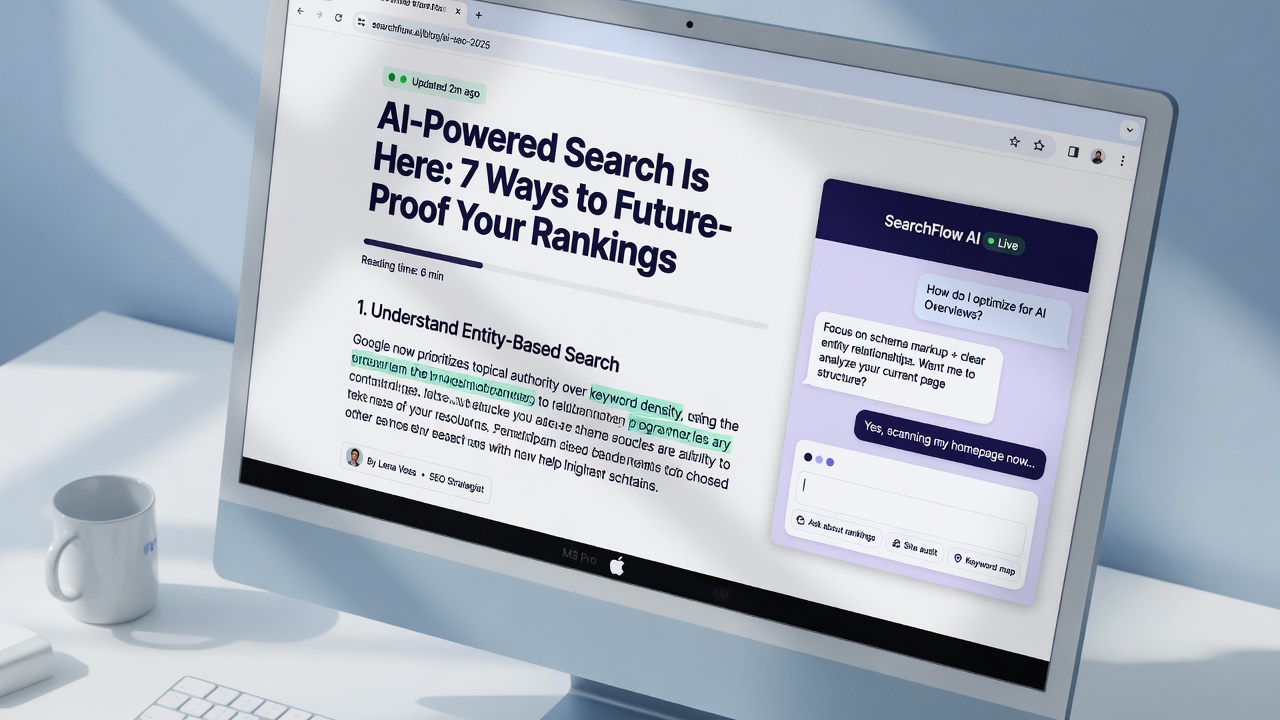
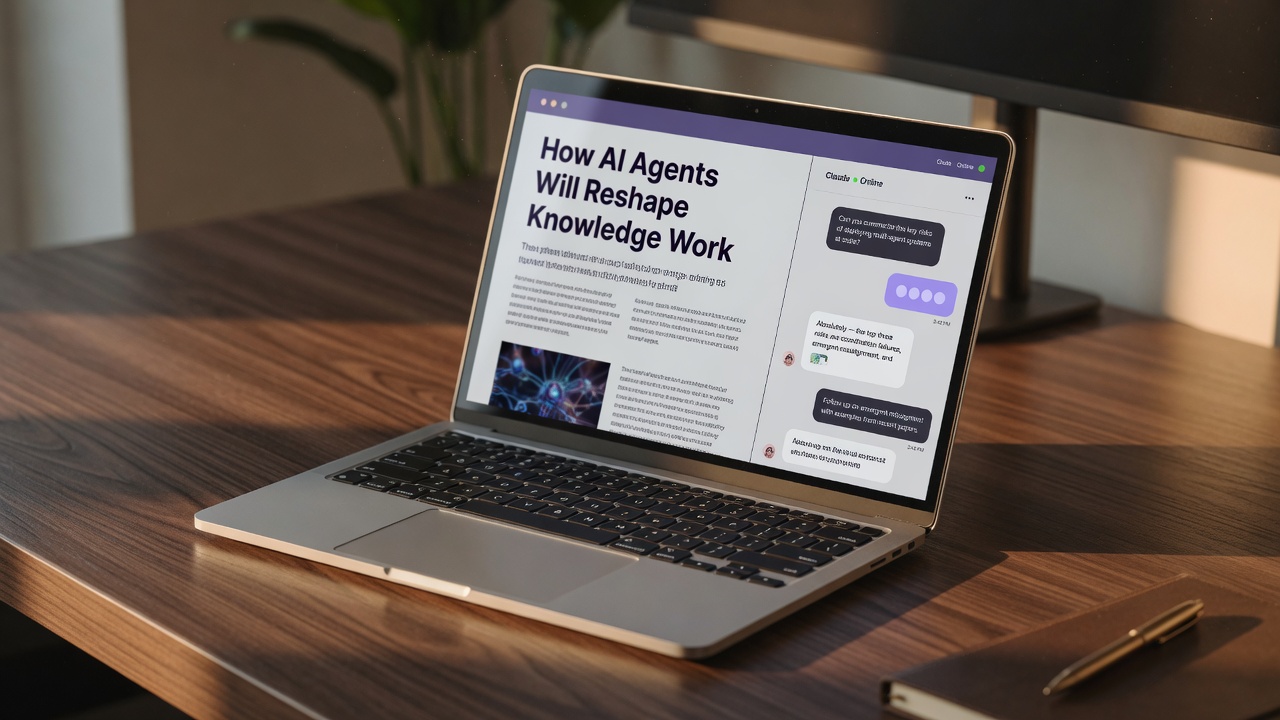
Advanced AI Chat Monetization Strategies for Autoblogged SEO Articles
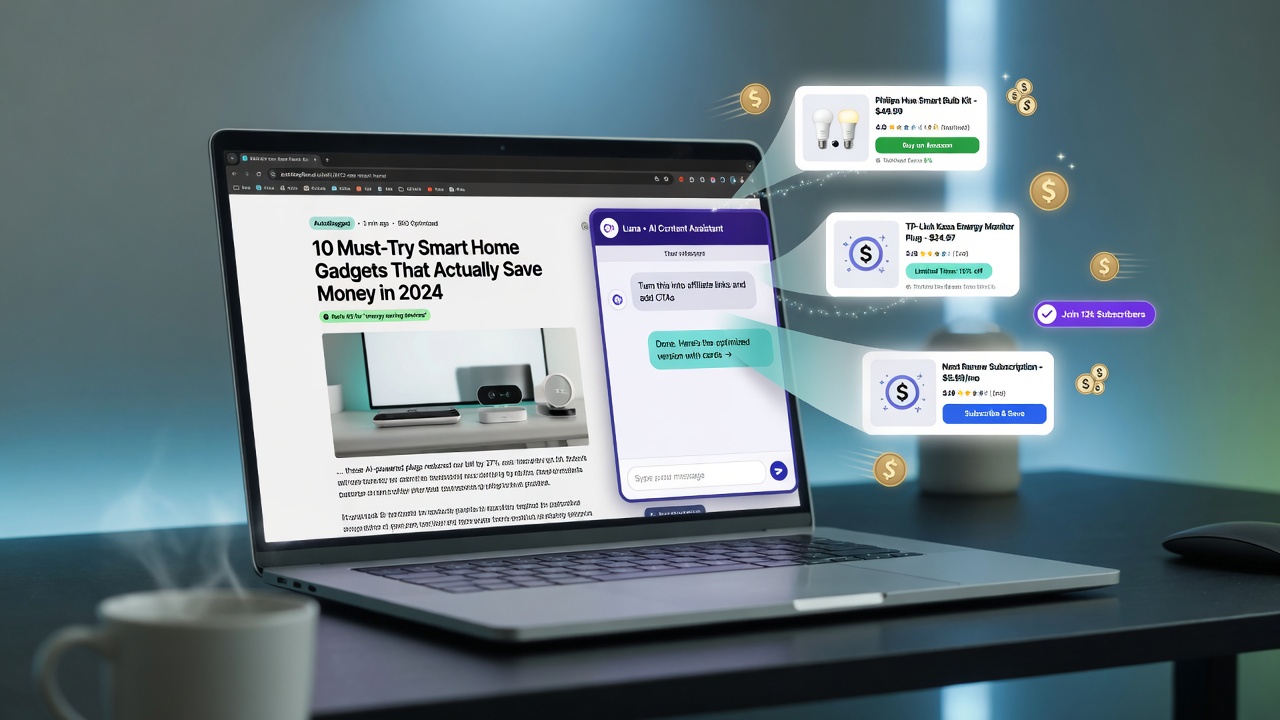
Autoblogging and AI SEO automation have made scaling content production faster than ever, but the real challenge isn't just generating traffic—it is converting passive readers who skim and leave. Traditional display ads and static affiliate links often miss the mark when readers are searching for specific, immediate answers. By embedding an intelligent AI chat widget directly into your automated articles, you can engage readers in real-time conversations, guiding them to the exact resources, products, or services they need.
Google views AI-generated content the same as human-written content, meaning its search success relies entirely on being useful, helpful, original, and satisfying E-E-A-T guidelines. Adding an interactive AI assistant directly elevates this helpfulness, creating a natural, highly engaging pathway to monetization. Instead of leaving your site to search elsewhere, readers can get their questions answered right inside your article while interacting with native monetization features.
Let's explore how to turn these conversational interactions into consistent revenue streams for your automated site.
- 1
AI chat widgets convert passive automated article readers into active, high-intent revenue generators.
- 2
Google supports high-quality automated content, making interactive AI assistance an excellent way to build E-E-A-T.
- 3
Native ads in AI chats offer multiple highly targeted formats, ranging from sponsored messages to text links.
- 4
High-traffic autoblogs can scale monetization by combining premium display ads with conversational affiliate tools.
Mapping Conversational Intent: Turning Chat Queries Into Direct Revenue
To do this effectively, we must first understand how an on-page AI chat reads user intent. Unlike static banner ads that hope to catch a wandering eye, an interactive chat widget captures real-time, high-intent queries. When a reader types a question, they are telling you exactly what they need at that very second.
Spotting the Signals of Buying Intent
Not all questions are created equal. A query like "how does a heat pump work?" is purely informational. However, when a reader asks, "which heat pump is best for cold climates?" or "is Brand X worth the money?", they are exhibiting clear buying intent. By analyzing these on-page questions, your AI agent can instantly recognize when a user is on the verge of making a purchase.
Prioritizing Affiliate Routing for High-Value Queries
Once high-intent queries are identified, the AI chat can prioritize routing the user toward specific affiliate products. Instead of displaying a generic ad, the chat can respond with a helpful, personalized recommendation containing your affiliate link. This is a game-changer for autoblogged sites. While traditional display networks like Mediavine require 50,000+ monthly sessions to qualify for premium ad revenue, contextual affiliate routing via chat can monetize low-traffic, highly-targeted niche pages immediately.
Unlocking Subscription and Premium Upsells
Beyond affiliate links, conversational touchpoints are perfect for promoting your own premium offerings. If a user asks a deeply technical or highly specific question, the AI can answer the surface-level query and then suggest subscribing to a premium newsletter, downloading a paid e-book, or joining a gated community for more advanced insights.
Conversational Intent Mapping — By identifying high-intent questions in real-time, AI chat widgets can instantly route readers to affiliate links or subscription upsells, bypassing the high traffic thresholds required by traditional ad networks.
How to Choose and Embed the Right AI Chat Widget Without Ruining Your SEO
To pull this off seamlessly, you need a chat widget that integrates directly into your automated layout without slowing down your site or annoying your readers. Not all chat tools are built with SEO and high-volume publishing in mind. While enterprise support bots often bloat your page load times, lightweight monetization widgets are designed to keep your site fast and your affiliate links active.
Once embedded, the secret to maintaining a great user experience is ensuring the widget behaves beautifully on mobile devices. The chat interface must scale down smoothly without covering up the main text. By keeping the widget lightweight and non-intrusive, you satisfy both your human readers and Google's page experience signals. With the widget successfully embedded and optimized for performance, the next step is ensuring the AI actually knows what it's talking about.
Prioritize speed and placement — Use lightweight, asynchronously loaded chat widgets placed contextually within your content to boost conversions without hurting your Core Web Vitals or mobile search rankings.
Feeding the Machine: How to Train Your Chatbot on Your Autoblog Content
An AI assistant is only as valuable as the context it holds. To transform a generic chatbot into a high-converting sales agent, you must feed your published articles directly into the chat model. By indexing your site's specific content, the AI gains a deep understanding of your niche, allowing it to reference your exact arguments, product reviews, and tutorials during a live conversation. This creates a cohesive reader experience where the chat feels like a natural extension of the article they are currently reading.
For autoblogged sites, this training process must be streamlined. Tools like ChatAside make this seamless by providing a lightweight JavaScript widget that trains on your published articles. This setup enables highly contextual affiliate product recommendations while letting you keep 100% of your commission earnings on their free tier, which supports up to 100 messages per day. However, simply feeding the data isn't enough; you must establish strict relevance thresholds. Instruct your model to only recommend affiliate products when a user's query directly warrants a solution, preventing the AI from feeling spammy or pushy.
Because SEO automation continuously pushes new articles to your site, your AI's training data cannot remain static. Implement automated workflows—such as syncing your RSS feed or using webhooks—to automatically update the chatbot’s knowledge base every time a new post goes live. This ensures that the AI is always equipped with your latest product reviews and monetization links, paving the way for seamless, high-converting product placements.
Dynamic indexing — Continuous ingestion of new autoblog content, paired with strict relevance thresholds, ensures your AI chat offers accurate, non-spammy recommendations that protect user trust.
From Conversation to Commission: High-Converting Affiliate Tactics for AI Chat
Once your chatbot is fully updated with your latest content, the next step is turning those natural conversations into actual affiliate revenue. The key to high-converting chat monetization lies in identifying when a reader is ready to buy and delivering the perfect link at that exact moment.
When a visitor asks the chat a question like "Which of these tools is best for beginners?" or "Is product X worth the price?", they are exhibiting high buying intent. Instead of offering a generic summary, the AI agent should dynamically route these queries to your specific affiliate offers. By providing a direct, contextual recommendation alongside a tailored affiliate link, you reduce friction and capture the user's attention when their purchase intent is highest.
To maximize your margins, utilize platforms that protect your earnings. For instance, tools like ChatAside allow one-click affiliate integration by training on your existing site content and routing links directly through your personal affiliate accounts. Crucially, choosing a platform that lets you maintain 100% of your commission—even on its free tier—ensures that your automated SEO site remains highly profitable from day one, without platform fees eating into your margins.
However, automated recommendations only work if your audience trusts the system. Transparency is critical here. You must test clear, conversational disclosure language within the chat interface. A simple, friendly note like "I recommend products I genuinely trust, and some links may earn me a commission" preserves E-E-A-T and keeps your monetization fully aligned with Google's helpful content guidelines.
Contextual routing — Direct high-intent chat queries straight to your affiliate links while using transparent disclosure language to preserve reader trust and maximize commission retention.
Beyond Affiliates: Deploying Native Ads Directly Inside the Chat Window
Aligning with these helpful content guidelines doesn't mean leaving money on the table; it simply means choosing monetization methods that feel like natural extensions of the conversation. Beyond standard affiliate links, you can introduce native advertising directly into the chat flow. Industry standards show that you can add seven types of native ads to your AI chat app: text link ads, sponsored messages, in-chat banner ads, ChatGPT app monetization, sponsored retail media, internal promotions, and custom experiences. For most automated blogs, focusing on text links, sponsored messages, and subtle banners yields the cleanest user experience.
The secret to making these formats work is balancing your ad load with the reader's actual engagement. If every single prompt triggers a hard-sell sponsored message, users will abandon the chat. Instead, program your AI agent to trigger sponsored messages only when a query matches highly specific advertiser keywords, keeping the placement helpful rather than disruptive.
To keep your site's search rankings healthy, you must actively measure engagement drop-off. Monitor the exact point at which users close the chat widget, and adjust the frequency of your native ads accordingly. When done right, native conversational ads blend seamlessly into the user journey, paving the way for even more lucrative monetization models, such as gating premium chat features behind a subscription.
Contextual Native Ads — Integrate subtle native ad formats like sponsored messages or text links only when highly relevant to keep users engaged and protect SEO metrics.Conversational Paywalls: Turning Free Chat Into Premium Subscriptions and Leads
Transitioning from native ads to a direct monetization model is a natural next step once your readers realize the value of your AI chat. Instead of giving away all your chatbot’s intelligence for free, you can gate deeper answers, specialized tools, or comprehensive custom reports behind a soft paywall. For example, if a user asks for a complex, step-by-step implementation plan, the chat can provide the first few steps and offer the complete, customized strategy only to premium subscribers.
Using Chat to Nurture Your Email List
If a direct subscription feels like too big of a leap for first-time search visitors, you can use the chat as a highly effective lead generation tool. The chatbot can offer to email the complete conversation history, a custom checklist, or an exclusive PDF resource directly to their inbox. This simple exchange turns anonymous, automated search traffic into owned email leads that you can monetize through newsletter sponsorships and affiliate campaigns.
Testing Your Messaging and Pricing
To maximize conversions, you must continuously test how you pitch these premium upgrades. Experiment with different micro-transaction pricing models—such as low-cost weekly passes—and test different messaging triggers within the chat flow to see what drives the highest opt-in rates.
Value-driven gating — Leverage your AI chat to deliver immediate, bite-sized value, then gate advanced tools, deep-dive answers, or email newsletters to turn search traffic into recurring revenue.
Staying in Google's Good Graces: E-E-A-T, Compliance, and AI Chat
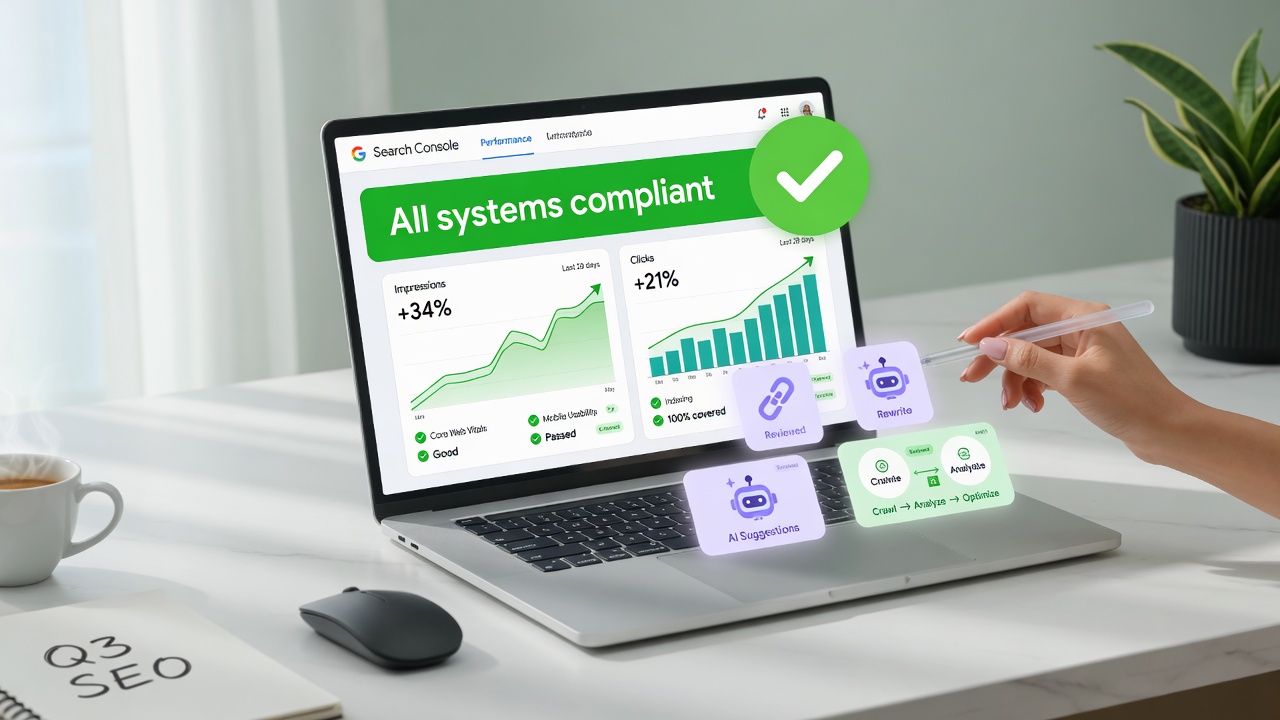
While optimizing your conversion rates and chat flows is essential for maximizing revenue, none of it matters if your site loses its search visibility. Successfully running an automated SEO site with interactive monetization requires a strict commitment to quality and compliance.
Google’s stance on automation is highly encouraging for modern creators. The search engine treats AI-generated content the same as human-written work, focusing entirely on whether it satisfies E-E-A-T (Experience, Expertise, Authoritativeness, and Trustworthiness). As Google Search's guidance notes, "If you see AI as an essential way to help you produce content that is helpful and original, it might be useful to consider." The key is ensuring your automated articles and the integrated AI chat widgets actually help the user solve a problem rather than simply acting as a vehicle for links.
Three Rules for Safe AI Chat Monetization
- Clear Disclosures: Always label sponsored recommendations or affiliate links surfaced by the chatbot. Transparency builds E-E-A-T.
- Value-First Interactions: Ensure the AI agent provides comprehensive, accurate answers before proposing a paid solution.
- Monitor Chat Quality: Regularly audit chat logs to ensure the AI isn't hallucinating incorrect product claims or violating Google's merchant policies.
By aligning your conversational AI with search guidelines, you create a sustainable, high-converting revenue stream that grows alongside your organic traffic.
Compliance is conversion — Aligning your AI chat recommendations with Google's E-E-A-T standards and clear sponsor disclosures protects your organic traffic while building long-term reader trust.Key Takeaways
Start automating your high-quality SEO content and interactive chat monetization today by launching your first campaign with Flows.
Frequently Asked Questions
Google evaluates automated content based on its utility and originality rather than how it was created. As long as your articles provide genuine value and satisfy E-E-A-T guidelines, integrating helpful monetization features like AI chat is fully compliant with search standards.
There are seven distinct native ad formats you can integrate into your AI chats. These include text link ads, sponsored messages, in-chat banner ads, ChatGPT app monetization, sponsored retail media, internal promotions, and custom experiences.
While entry-level networks like Google AdSense have low barriers, premium programmatic ad networks like Mediavine require at least 50,000+ sessions per month. Combining these ads with AI chat widgets can significantly boost your overall revenue per mille (RPM).
Yes, tools like ChatAside allow you to embed a JavaScript widget that trains on your content to recommend affiliate products. Their free tier supports up to 100 messages per day while allowing you to keep 100% of your affiliate commission earnings.