Scaling Internal Links in Autoblogged Content
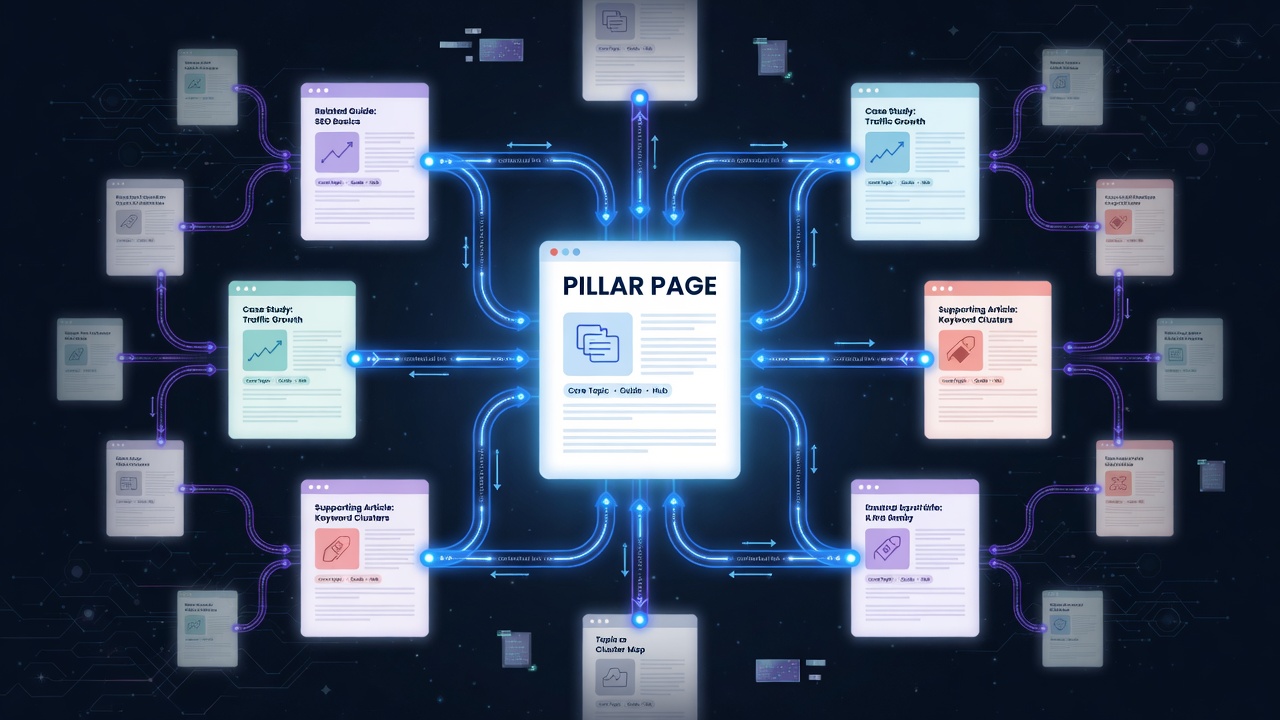
Publishing high-quality content at scale is no longer the bottleneck for modern digital publishers; the real challenge lies in organizing that content so search engines and users can navigate it. Without a deliberate structure, a high-volume automated blog quickly devolves into a disjointed collection of orphan pages. To prevent this, internal linking is strategically implemented to build topic clusters and improve site architecture, ensuring search crawlers can index your entire catalog efficiently.
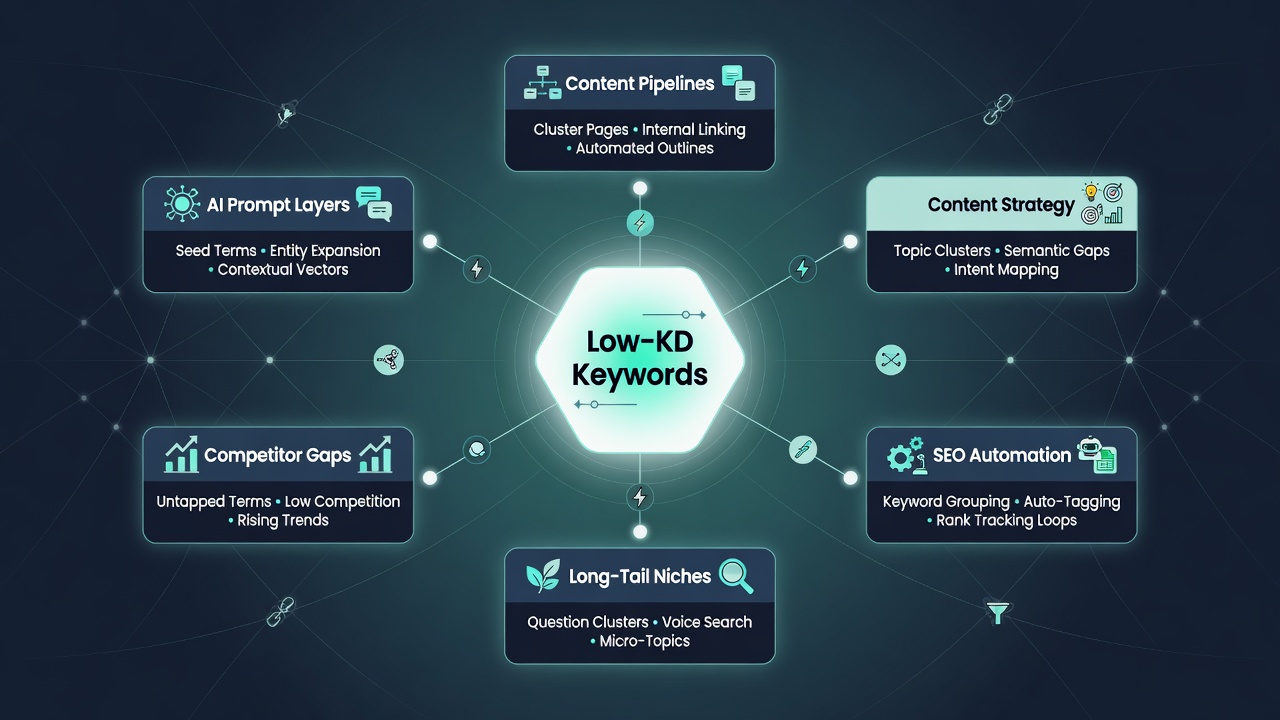
As publishers scale their content automation, manual internal linking becomes physically impossible. Fortunately, modern artificial intelligence has evolved past basic keyword-matching plugins. Today's sophisticated systems analyze contextual relevance, user intent, and search data to weave a natural web of connections across thousands of pages. By automating this architecture, you can establish topical authority, distribute page rank evenly, and guide readers deeper into your site without manual intervention.
- 1
Strategic internal linking is essential for building robust topic clusters and improving site architecture on automated blogs.
- 2
Modern AI tools analyze context, search demand, and user signals to automate highly relevant internal link placement.
- 3
Natural placement within the body copy is critical to satisfying both search engine crawlers and human readers.
- 4
Automating internal links at scale prevents orphan pages and ensures balanced distribution of page authority across your site.
The Engine of Topical Authority: Why Algorithmic Linking is Essential
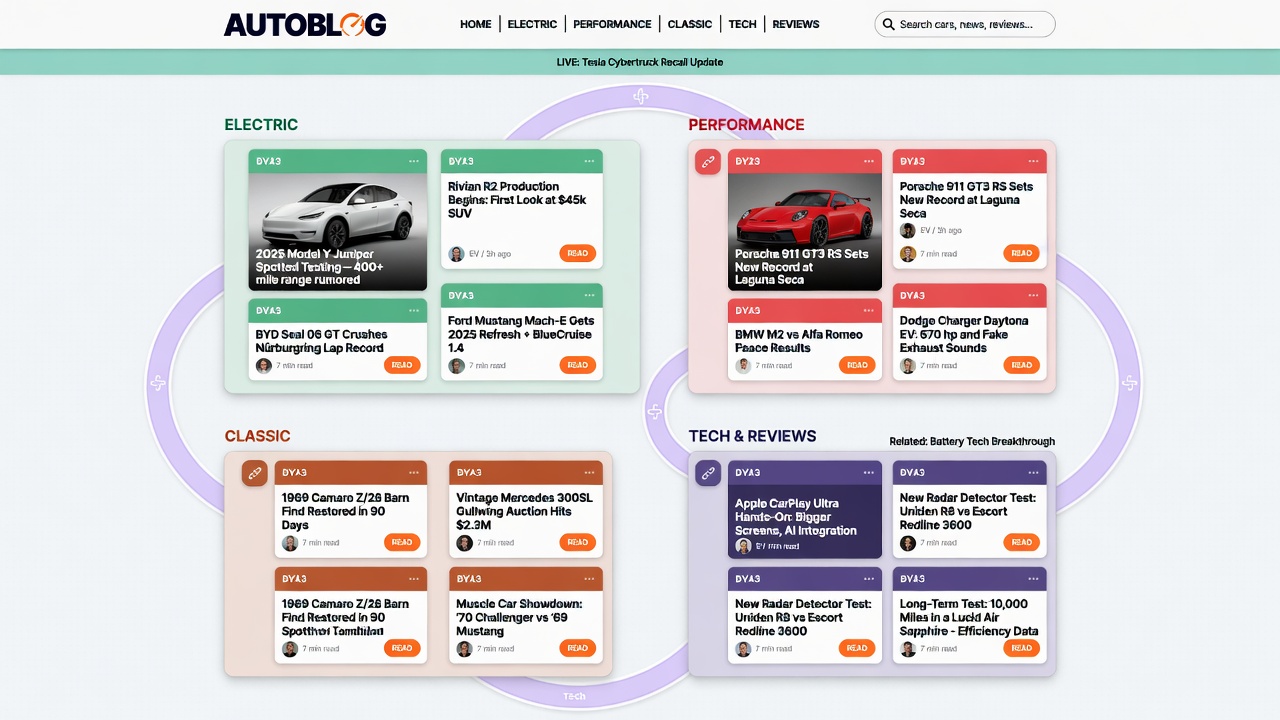
In the realm of SEO content automation, internal linking is not merely an afterthought; it is the structural backbone that transforms isolated articles into a cohesive knowledge engine. When deploying autoblogging at scale, manual curation quickly becomes impossible. Instead, automated systems must strategically implement internal linking to build topic clusters and improve site architecture, which directly leads to better search visibility.
Securing Crawlability and User Flow
A robust algorithmic linking strategy addresses three critical pillars of site health simultaneously:
- Automated Topic Clustering: By automatically binding subtopics to parent pillar pages, search engines instantly recognize your depth of coverage on a subject.
- Seamless Search Engine Crawlability: Algorithmic links create clear, indexable pathways, ensuring new automated posts are discovered and indexed within hours rather than weeks.
- Intent-Driven User Navigation: Contextual inline links guide readers naturally to related content, increasing time-on-site and signals of genuine engagement.
The Breaking Point: Why Manual Linking Fails at Scale

Relying on manual link insertion works well enough when you are publishing a few pieces of content a month. However, once your SEO automation workflow scales to high volume, manual curation becomes a massive operational bottleneck. Human editors cannot realistically memorize hundreds of historical articles, resulting in missed connection opportunities and isolated content silos.
This bottleneck inevitably leads to two critical issues that damage your site's search visibility:
- Unnatural link clustering: Editors often resort to lazy linking habits, such as dumping a block of related articles at the very end of a post rather than integrating contextual inline links.
- Taxonomy drift: As the site grows, maintaining a consistent internal linking structure across complex categories and tags becomes impossible, leading to diluted topical authority.
Manual limits — Attempting to manually link high volumes of automated posts leads to fragmented site architecture, orphan pages, and unnatural link placements that search engines penalize.
The Rise of Context-Aware Internal Linking Automation
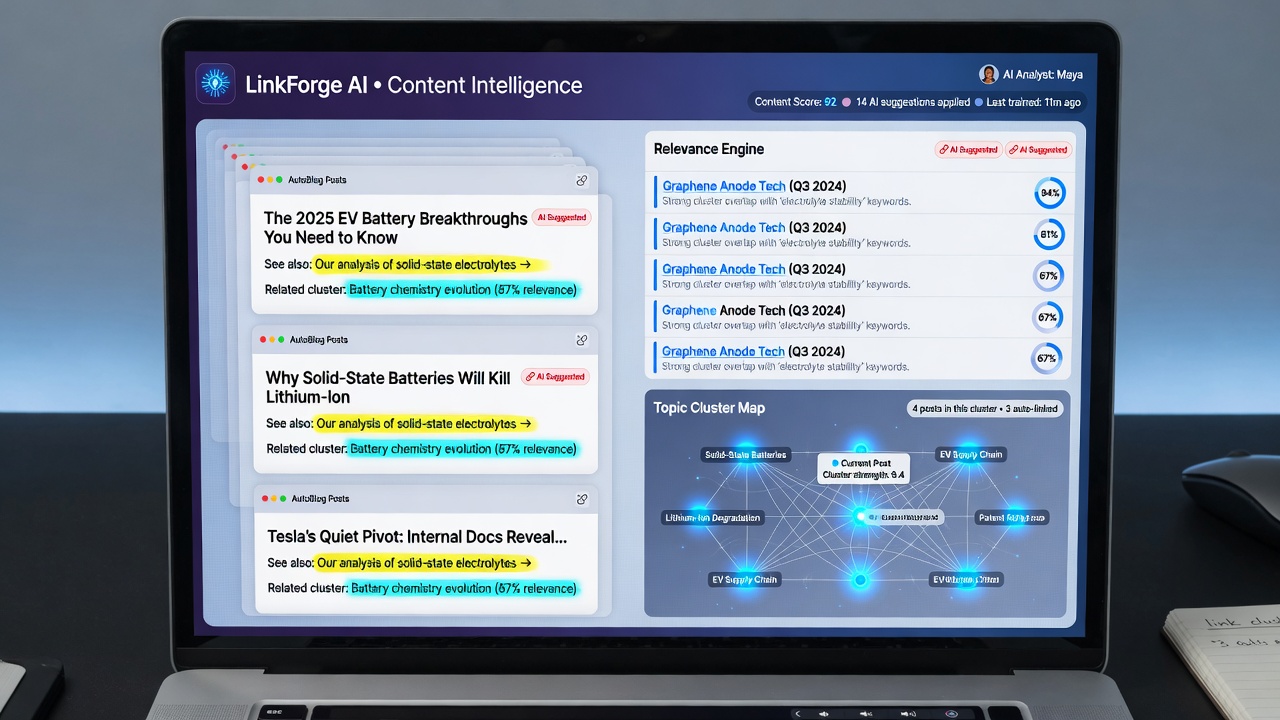
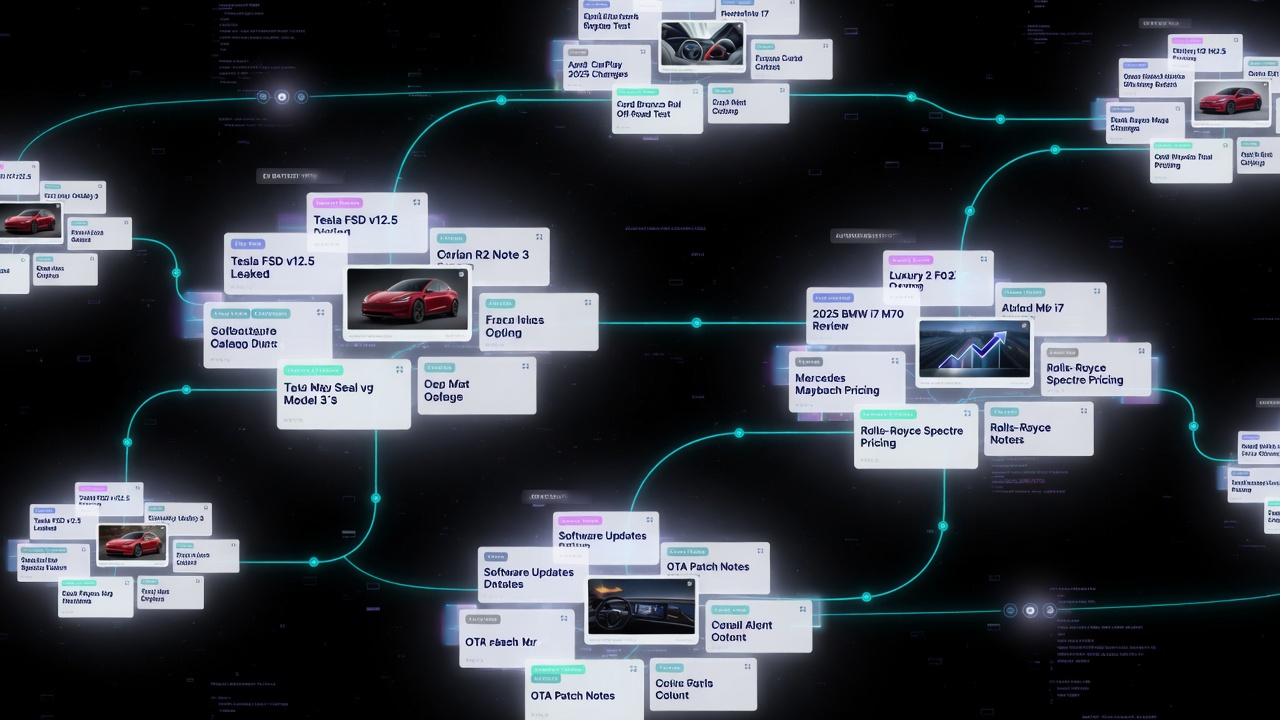
To solve these manual bottlenecks, publishers are turning to advanced AI internal linking tools that replace human guesswork with programmatic precision. Instead of relying on static keyword matching, modern systems analyze a site's entire content footprint to find natural, contextually relevant connection points.
These automated engines operate by ingestion. Specialized tools utilize deep crawling to understand the topical relationship between pages, while platforms like Emplibot automatically link new posts to relevant existing content with internal linking automation built-in. This ensures that every fresh piece of content is instantly woven into the site's architecture upon publication.
Furthermore, enterprise-grade AI internal linking tools analyze entire sites using Google Search Console (GSC) data, search engine results page (SERP) similarity, and revenue signals to automate link placement. By incorporating actual search behavior and commercial performance metrics, these platforms prioritize link paths that drive both organic traffic and conversions.
Algorithmic Contextualization — Modern AI tools eliminate manual overhead by using GSC, SERP, and behavioral data to automatically embed high-value internal links into newly published content.The Anatomy of a Natural Link: Editorial Rules for Automated Placement
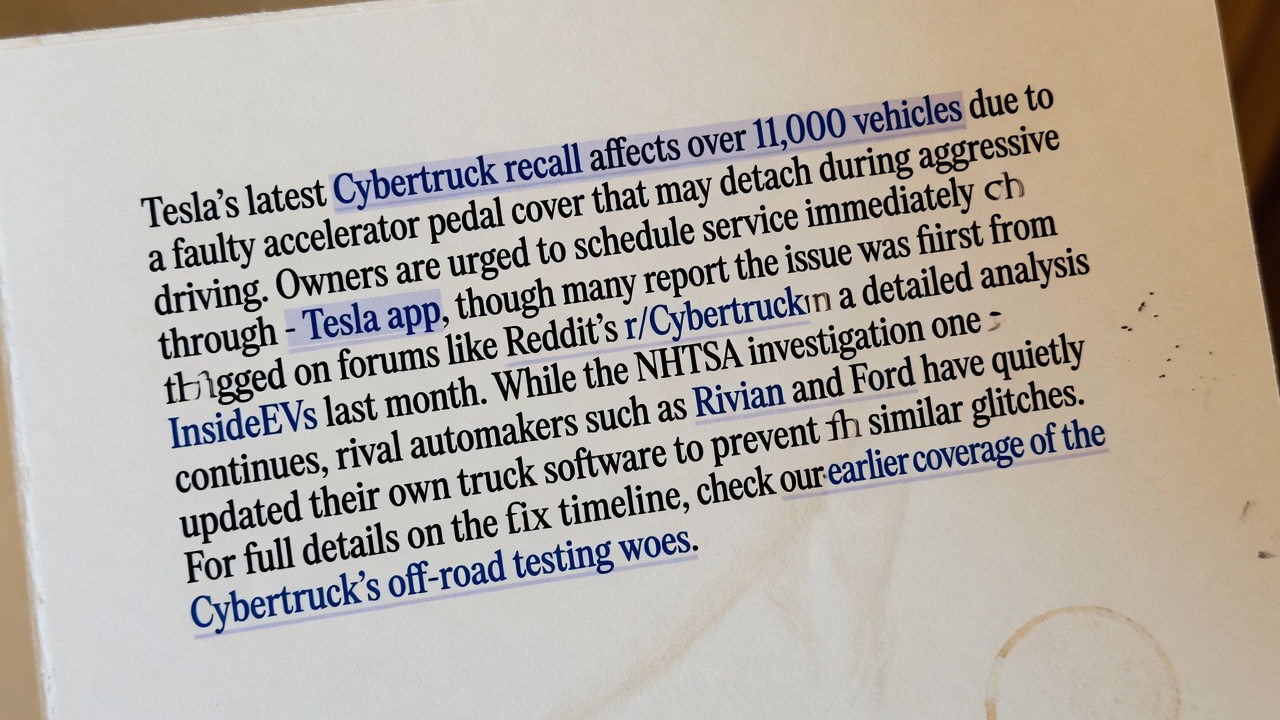
Transitioning from programmatic discovery to actual page placement requires strict editorial guardrails. Automated internal linking should never feel like a mechanical afterthought. To maintain search engine trust and keep readers engaged, links must be woven directly into the narrative fabric of your content.
Contextual Integration Over Link Stuffing
The golden rule of automated linking is utility. According to industry quality standards, internal links should help the reader move to the next useful page, rather than existing purely for search bots. This means you should never paste a block of links at the end of a post just to satisfy a checklist.
- Contextual Relevance: Embed anchor text naturally within sentences where a reader would logically want deeper elaboration.
- Taxonomy-Driven Automation: Use your site’s native categories and tags to restrict automated linking tools to relevant silos, preventing irrelevant cross-category linking.
- Flow Over Footers: Avoid "related articles" link dumps at the bottom of pages, which search crawlers increasingly discount as low-value boilerplates.
Maintaining Link Health Across Automated Sites
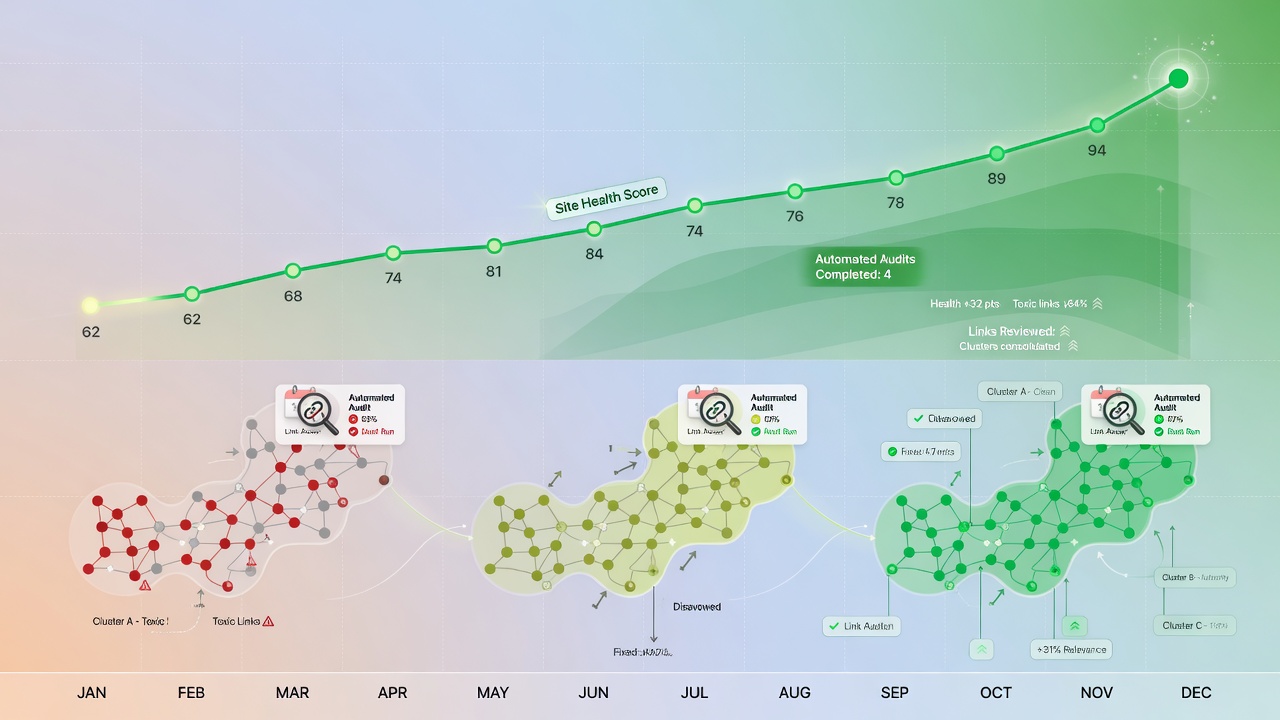
When publishing at scale, maintaining a healthy link profile requires continuous vigilance. Left unattended, automated internal links can quickly degrade due to deleted pages, redirected URLs, or shifting taxonomy. To prevent this structural decay, publishers must establish automated maintenance routines that treat internal linking as a dynamic system rather than a set-it-and-forget-it task.
A Three-Tiered Maintenance Framework
Keeping thousands of automated links healthy is impossible without a structured programmatic approach. Implementing a three-tiered maintenance framework ensures your site architecture remains clean and crawlable:
- Schedule Recurring Audits: Run automated weekly or bi-weekly crawling audits to instantly flag broken internal links, redirect chains, or orphaned content.
- Enforce Category Boundaries: Leverage your CMS tags and categories to restrict automated linking algorithms, ensuring link equity remains concentrated within relevant topical silos.
- Deploy Multi-Agent AI Workflows: Combine specialized AI tools like LinkWhisper for discovery with advanced maintenance agents to automatically swap out broken destinations and update anchor text dynamically.
Key Takeaways
Supercharge your automated content strategy by integrating context-aware internal linking workflows that build search authority while keeping your site architecture flawlessly organized.
Frequently Asked Questions
Internal linking is strategically implemented to build topic clusters and improve site architecture for better search visibility, preventing high-volume sites from accumulating unindexed orphan pages.
No. Internal links should help the reader move to the next useful page, and you should not paste a block of links at the end of an article just to satisfy search engines.
Advanced AI internal linking tools analyze the context of your pages using multiple data sources, including SERP similarity analysis, search demand, and Google Search Console data, to create highly relevant, automated links.
Yes, some specialized platforms like Emplibot automatically link new posts to relevant existing content using built-in internal linking automation to maintain site structure on autopilot.