SEO Strategies
AI SEO Trends and Future Predictions

The search landscape is undergoing its most radical transformation since the invention of the search engine itself. We are moving rapidly from a world of blue links to a world of synthesis, where search engines do not just point to answers—they construct them. With Google's AI Overview reaching over 2 billion monthly users and appearing on 80–88% of informational queries according to 2026 SEO Trends and What It Mean for Your Business, the traditional playbook of ranking first on page one is being rewritten in real time.
This shift is fundamentally altering user behavior. A recent study by SEO for AI: Value Driven Search Trends for 2026 reveals that over 60% of searches now end without a click, as users find everything they need directly within AI-generated summaries. Furthermore, as reported in 7 SEO and AI Search Trends to Watch in 2026 and Beyond, AI is expected to handle 25% of global queries by 2026. This means optimization is no longer just about appealing to human readers; it is about ensuring your content is structured, authoritative, and clear enough for machine-learning models to synthesize and cite. According to 15 SEO Trends You Can't Ignore in 2026, we are also entering an era where AI agents will search, compare, and transact on behalf of users, completely changing the path to purchase.
To stay ahead, brands must adapt to these emerging dynamics by focusing on generative engine optimization, conversational search patterns, and deep brand authority. Let's explore the core AI SEO trends that will define search visibility and how you can position your content to remain indispensable in this automated future.
TL;DR
- AI Overviews now dominate informational search, shifting the SEO goal from traditional organic rankings to securing direct citations within AI-synthesized answers.
- Zero-click searches have surpassed 60 percent, requiring brands to optimize for immediate visibility and trust within search engine results pages.
- AI agents are beginning to search, compare, and transact on behalf of users, making structured and easily extractable data crucial.
- Generative Engine Optimization is emerging as a critical discipline to ensure brand presence across diverse AI platforms.
Securing Real Estate in AI Overviews: The New Search Reality
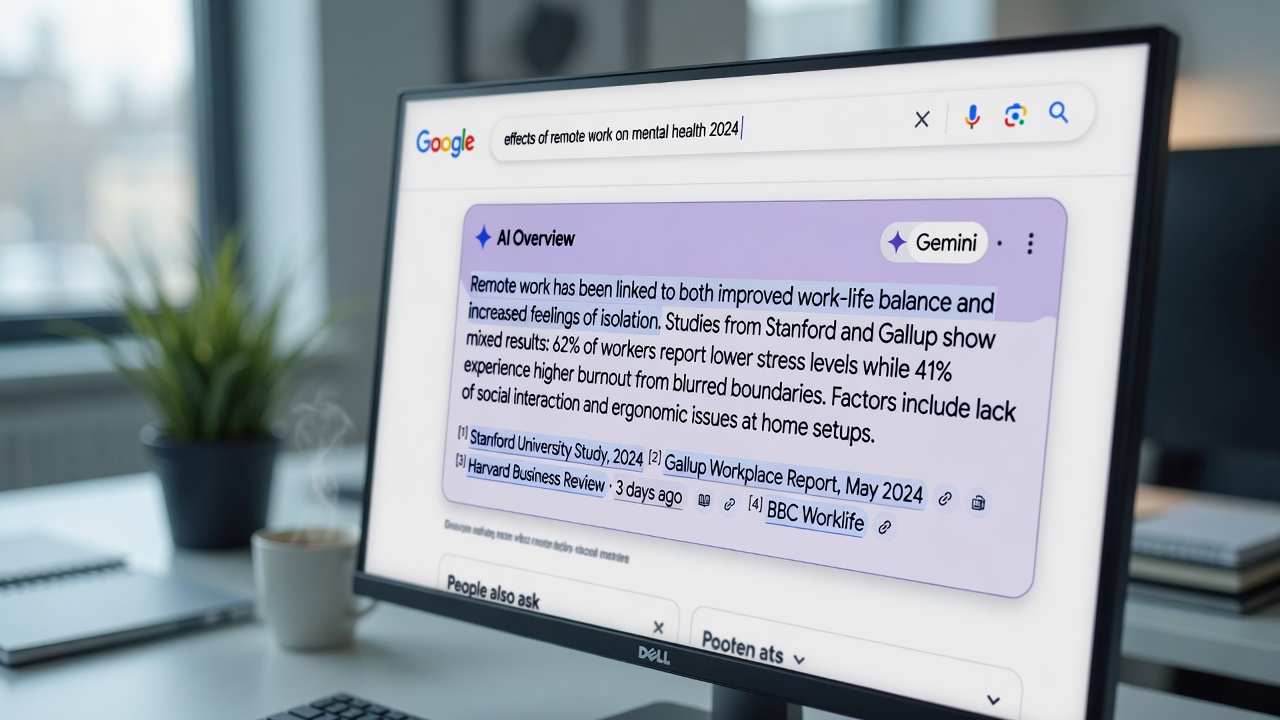
This automated future is already here, and it is anchored by the rapid expansion of AI-generated answers at the very top of search engine results pages. Traditional blue links are no longer the default starting point for curious searchers. Instead, search engines are increasingly synthesizing information directly on the page, transforming how users interact with online content.
With Google's AI Overview now reaching over 2 billion monthly users, the surface area for traditional organic clicks is shifting rapidly. The feature has become a staple of the search experience, particularly for educational and research-driven queries. In fact, Google’s AI Overview appears on 80–88% of informational queries in 2026. This means the battle for visibility has shifted from securing the number-one organic blue link to earning a coveted spot as a cited source within these AI-generated summaries.
Earning the AI Citation
To capture traffic in this environment, businesses must treat AI engines as partners to be influenced rather than systems to be gamed. AI models synthesize their responses from high-authority, easily extractable web content. Securing a citation within an AI Overview requires structured, authoritative writing that directly answers specific user queries. By structuring your content with clear definitions, bulleted summaries, and schema markup, you make it incredibly easy for AI agents to pull your brand into their answers as a primary source. As AI answers satisfy user intent directly on the search results page, they are also accelerating a trend that traditional SEOs have feared for years: the rise of zero-click searches.
Citations are the new rankings — To maintain search visibility, optimize content to be easily digested and cited by AI engines rather than just aiming for traditional blue-link rankings.
Surviving the Zero-Click Era: Why Extractable Content is the New Traffic

This shift is no longer a distant threat; it is the current reality of search behavior. Today, over 60% of searches now end without a click due to zero-click behavior. When search engines synthesize comprehensive answers directly on the results page, users get what they need immediately, bypassing the traditional click-through journey entirely.
For businesses, this means traditional metrics like organic click-through rate (CTR) are no longer the ultimate measure of success. To maintain visibility, the focus must pivot toward producing highly extractable content. This involves structuring your insights so clearly that generative engines can easily pull them, summarize them, and attribute them to your brand.
Optimizing for Machine Readability
Instead of burying valuable insights deep within long-winded paragraphs, you should format key data points, definitions, and summaries into clear, machine-readable blocks. Using bulleted lists, tables, and direct Q&A formats allows AI engines to easily lift your content and present it to users. Even if a user doesn't visit your site, your brand gains valuable mindshare as the trusted source behind the AI's answer.
This shift in user behavior is laying the groundwork for an even more automated future, where human searchers are replaced by digital assistants.
Extractable Visibility — With over 60% of searches ending without a click, SEO success now relies on creating highly structured, extractable content that AI engines can easily credit and display.
Optimizing for AI Agents: When Your Customer Is an Algorithm

These digital assistants are quickly evolving from basic voice-command tools into fully autonomous AI agents. By 2026, AI agents will search, compare, and even transact on behalf of users, fundamentally changing how consumers discover and purchase products. Instead of a human scrolling through pages of blue links, an agent will analyze options, weigh pros and cons, and complete the checkout process automatically.
To win in this environment, your target audience is no longer just the human end-user; it is the algorithm itself. This requires a shift toward optimizing for trust and clarity. AI agents need structured data, clear pricing, and unambiguous trust signals to recommend your brand. If an agent cannot easily extract your shipping policies, refund terms, or product specifications, it will simply bypass your business for a competitor that is easier to read.
Agent Optimization — As autonomous AI agents take over searching and transacting, brands must optimize their data structure and trust signals to ensure algorithms can easily evaluate and recommend their products.
The GEO Blueprint: How to Optimize for Generative Engines and AI Agents

This shift from human eyes to algorithmic filters means your entire optimization playbook has to change. Generative Engine Optimization (GEO) is no longer a futuristic concept—it is the baseline for survival. With AI expected to handle 25% of global queries by 2026, relying solely on legacy SEO practices is a fast track to digital invisibility.
Actionable GEO Best Practices
- Prioritize Information Density: AI engines favor direct, highly extractable answers. Use clear formatting, bullet points, and clean schema markup to make your data digestible.
- Maintain Editorial Oversight: Avoid the common pitfall of churning out low-quality, fully automated AI content. Generative engines reward depth, unique data, and human-verified expertise.
- Optimize for Multi-Platform Discovery: Ensure your brand is cited consistently across social platforms, forums, and database registries where AI models pull their training data.
To execute this at scale, brands must integrate smart automation workflows. Tools like Flows automate the heavy lifting—publishing structured, highly optimized content while embedding interactive AI chats directly into articles. This keeps human readers engaged while presenting perfectly structured data to crawling AI agents.
Generative Engine Optimization — To capture search market share as AI handles more global queries, brands must transition to GEO, utilizing automation to deliver structured, high-density content that both AI agents and human readers can seamlessly digest.Key Takeaways
Experience how Flows can automate your SEO strategy and turn your articles into interactive, AI-driven lead generators by signing up today.
Frequently asked
Generative Engine Optimization (GEO) is the practice of optimizing digital content so that artificial intelligence models and search engines can easily find, synthesize, and cite it in their AI-generated summaries. Unlike traditional SEO, which focuses on keyword rankings, GEO prioritizes brand authority, structured data, and clear, factual information that AI engines trust.
With Google's AI Overview appearing on 80–88% of informational queries, many users get their answers directly on the results page. According to SEO for AI: Value Driven Search Trends for 2026, over 60% of searches now end without a click. While this zero-click behavior can reduce traditional organic traffic, securing a citation within these AI summaries drives highly qualified leads to your site.
As highlighted in 15 SEO Trends You Can't Ignore in 2026, AI agents will search, compare, and transact on behalf of users. This means your content must be optimized not just for human readers, but also for software agents looking for specific product attributes, pricing, and trust signals to complete tasks automatically.
Content strategies must shift away from mass-producing low-value articles toward creating highly authoritative, original, and deeply researched content. To succeed in an environment where AI handles 25% of global queries, brands must focus on unique data, expert opinions, and technical clarity that AI models can easily parse and reference.