SEO Strategies
AI SEO Automation Tools Review

Reaching the top of search results once required endless manual cycles of keyword research, outlining, and drafting. AI-powered automation has replaced that slow process. Multi-agent systems now manage the full workflow, cutting production time by over 90% while delivering documented results such as 37.9% organic traffic growth, 1,923 new top-10 keywords in a year, and up to 893% year-over-year gains from high-authority strategies.
Google permits AI-generated content when it delivers genuine value rather than manipulating rankings. Leading platforms including Surfer, SE Ranking, and Writesonic power this shift. This guide shows how to implement these tools to build a sustainable, high-ranking content engine.
TL;DR
- AI SEO automation tools can reduce content production time by over 90% using advanced multi-agent systems.
- Real-world case studies show massive traffic gains, ranging from 37.9% growth in programmatic setups to an 893% year-over-year increase.
- Google explicitly permits AI-generated content as long as it is high-quality and not created solely to manipulate rankings.
- The leading tools of 2026 combine keyword research, automated writing agents, on-page optimization, and interactive reader engagement features.
The Anatomy of Modern SEO Automation: From Keywords to Content Loops
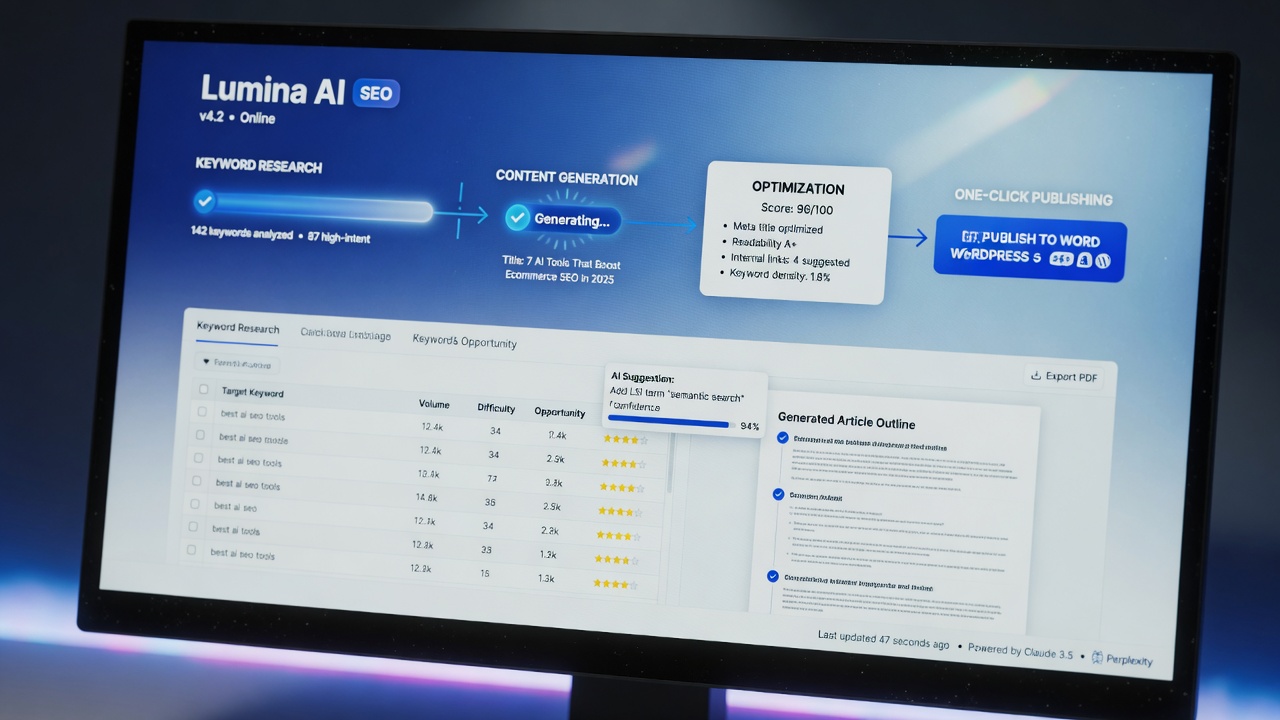
To build that high-ranking engine, we must first understand what modern AI SEO automation actually handles. It is no longer just about generating a block of text; today's workflows connect every stage of the organic growth funnel into a single, continuous loop.
First, these platforms automate keyword research and performance tracking, surfacing high-intent clusters and monitoring ranking shifts in real time. Once strategy is set, multi-agent systems handle content generation and on-page optimization. By orchestrating specialized agents for research, drafting, and SEO compliance, the workflow reduces article production time by over 90%. Search engines permit automated content but penalize low-effort spam created solely to game rankings. Effective automation prioritizes genuine value, delivered faster.
Finally, the loop closes with automated reporting and iteration, analyzing performance data to suggest instant optimization tweaks. This keeps your content evergreen and competitive without requiring constant manual audits. To see how this works in practice, we need to evaluate the specific platforms that are currently defining the industry.
Integrated Workflows — Modern SEO automation connects keyword discovery, multi-agent drafting, and real-time performance tracking into a continuous loop, reducing production time by over 90% while keeping content fresh.
Comparing the Heavy Hitters: Top AI SEO Automation Tools in 2026
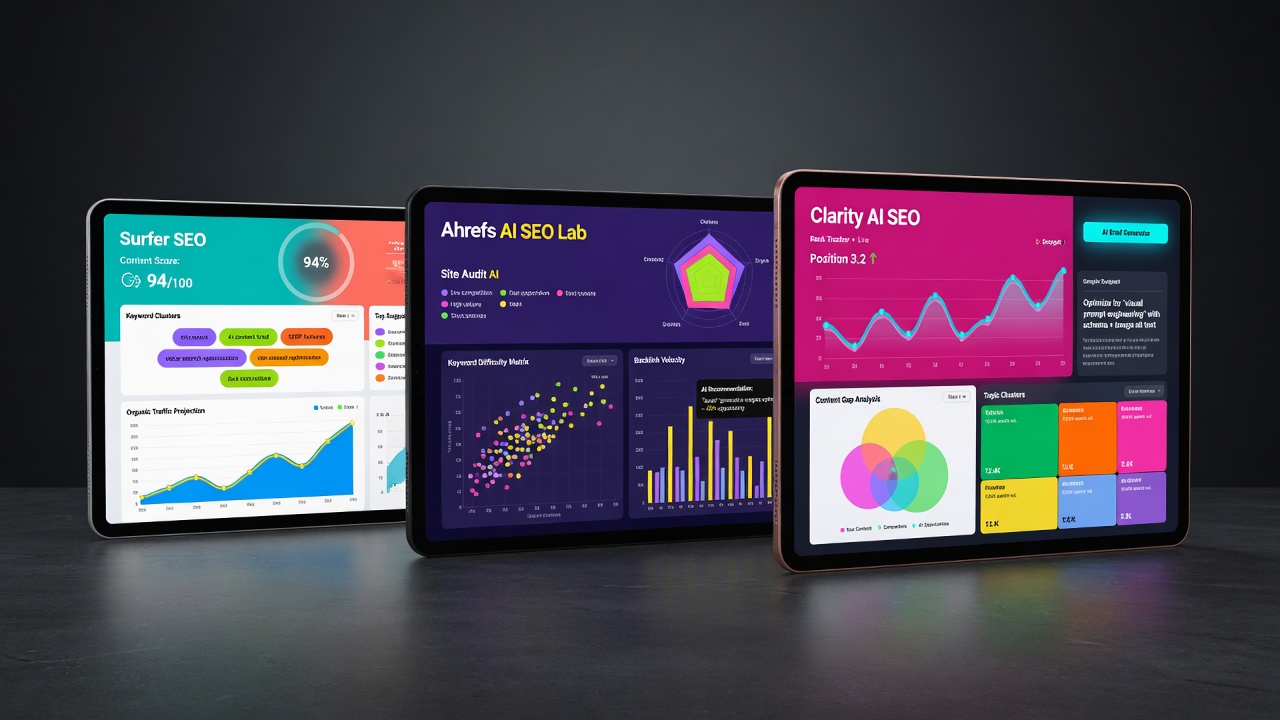
Industry evaluations highlight a select group of 12 to 17 top AI SEO tools that have successfully bridged the gap between manual optimization and full workflow automation.
For on-page work, platforms like Surfer SEO and SE Ranking remain essential. They analyze real-time search engine results pages (SERPs) to provide precise recommendations on keyword density, structure, and semantic relevance, ensuring your content aligns perfectly with search intent.
When it comes to generating high-quality drafts at scale, Writesonic has emerged as a powerhouse. It streamlines the writing process by leveraging advanced templates and real-time web data to produce contextually accurate, SEO-friendly copy in seconds.
However, the true shift in 2026 lies in platforms that support complete publishing automation. Rather than forcing you to manually copy-paste between keyword tools, drafting assistants, and your CMS, integrated systems connect these steps into a single, hands-free pipeline. This allows you to auto-publish optimized content and deploy interactive AI chat interfaces directly within your articles to keep readers engaged.
With these powerful tools in hand, the next logical question is whether these automated workflows can actually deliver measurable growth in the real world.
Tool integration is key — While individual tools excel at specific tasks, the real value in 2026 comes from end-to-end publishing pipelines that automate the entire content lifecycle.
Does SEO Automation Work? Real-World Traffic and Keyword Growth
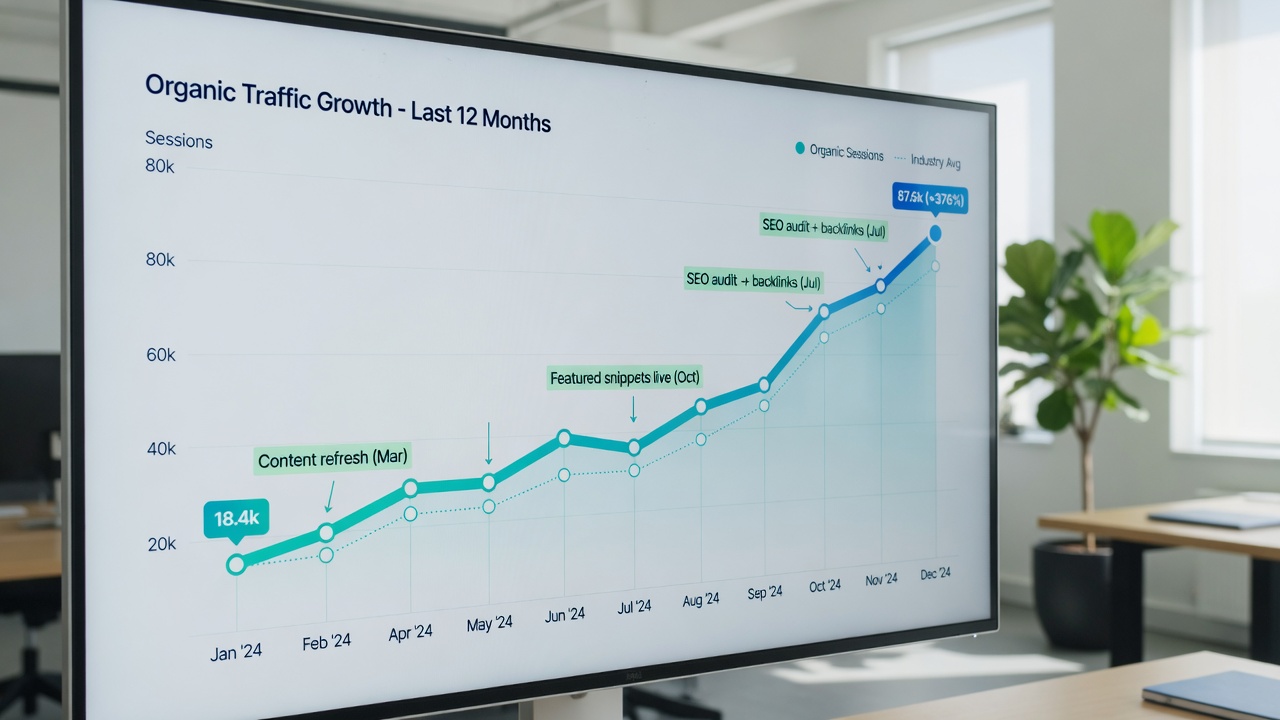
The short answer is a resounding yes. Real-world data proves that when automation is paired with a clear strategy, the results are both rapid and compounding. For instance, implementing programmatic SEO automation has been shown to drive a 37.9% increase in organic traffic, growing sessions from 173.5k to 239.3k, while securing 1,923 new top-10 keyword rankings in just twelve months.
But the impact of these tools goes far beyond standard search engine results pages. Modern search engines are increasingly relying on AI-generated summaries to answer user queries directly. High-authority, automated article strategies have successfully adapted to this shift, driving a staggering 893% year-over-year increase in organic traffic, with AI Overviews alone contributing 8.3K visits per month.
This highlights a crucial reality: automation tools do not just help you rank in traditional blue links. Instead, they position your content to capture high-value real estate inside AI-driven search features, ensuring your brand remains visible where users are actually looking. With the proof of automated success clear, the next step is understanding how to build these high-performing systems for your own brand.
Strategic automation drives massive scale — Combining programmatic workflows with high-authority content can yield up to an 893% traffic lift and secure crucial visibility inside modern AI Overviews.
Building Your Engine: Step-by-Step AI SEO Workflows That Scale
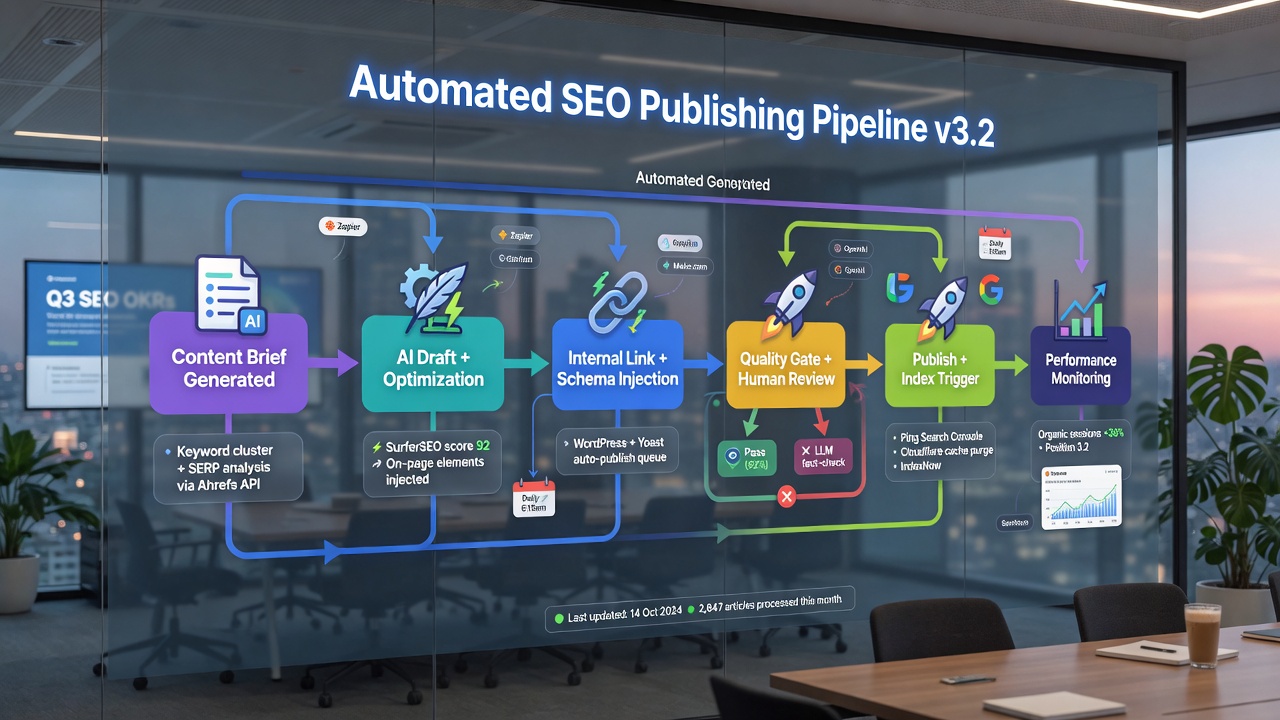
Setting up your first SEO automation pipeline doesn't require a team of developers. By connecting a few smart tools, you can create a self-sustaining content engine that works around the clock.
This final step—integrating an AI chat directly on your page—transforms static blog posts into interactive experiences. Platforms like Flows make it easy to drop a conversational AI assistant right inside your content. Readers get instant answers to their specific queries, while your site benefits from massive boosts in engagement and on-page time.
Smart workflows win — True SEO automation goes beyond writing drafts; it connects keyword discovery, automated publishing, and interactive on-page AI chat to engage readers and satisfy search engines simultaneously.
But as you scale up this automated engine, you must ensure your content remains firmly on the right side of search engine policies.
Navigating Google's Playbook: How to Scale Compliantly

Google has made its position remarkably clear on this front. According to official guidelines, the "appropriate use of AI or automation is not against our guidelines," provided it is "not used to generate content primarily to manipulate search rankings." This means search engines do not penalize AI-generated content simply because a machine wrote it; they penalize content that offers zero real-world value to the reader.
To stay compliant while scaling your organic footprint, focus on building human-in-the-loop workflows. Use automation to handle the heavy lifting—like structuring data, clustering keywords, and generating initial drafts—but always inject unique brand insights, expert editing, and interactive elements. Platforms like Flows make this easy by embedding AI chat features directly into your articles, keeping readers engaged and proving to search algorithms that your site prioritizes genuine user experience over empty search manipulation.
Compliance-first scaling — Google permits AI-generated content as long as it is created for users rather than search engine manipulation. Ensure long-term success by combining smart automation with human editing and interactive features.
Key Takeaways
Start scaling your content engine and engaging your readers automatically by launching your first automated workflow with Flows today.
Frequently asked
No, Google does not penalize AI content simply because it is automated. According to Google's official guidance, the appropriate use of AI or automation is allowed as long as it is not used primarily to manipulate search rankings.
Implementing multi-agent AI systems for SEO can reduce article production time by over 90% per piece. This allows marketing teams to focus on strategy and real-time performance tracking rather than manual drafting.
Real-world results vary, but case studies show that programmatic SEO automation can drive a 37.9% increase in organic traffic within a year. High-authority strategies leveraging these advanced systems have even achieved year-over-year organic traffic increases of up to 893%.
Industry reviews highlight 12 to 17 top AI SEO tools, with platforms like Surfer, SE Ranking, and Writesonic leading the pack. The best choice depends on whether you need deep keyword intelligence, automated writing agents, or on-page optimization.
Successful automated workflows pair high-quality AI content generation with interactive features like on-page AI chat assistants. This keeps readers engaged, helps them navigate complex topics, and improves overall session duration and conversion rates.