AI Visibility Checker: How to Audit Whether AI Engines Cite You
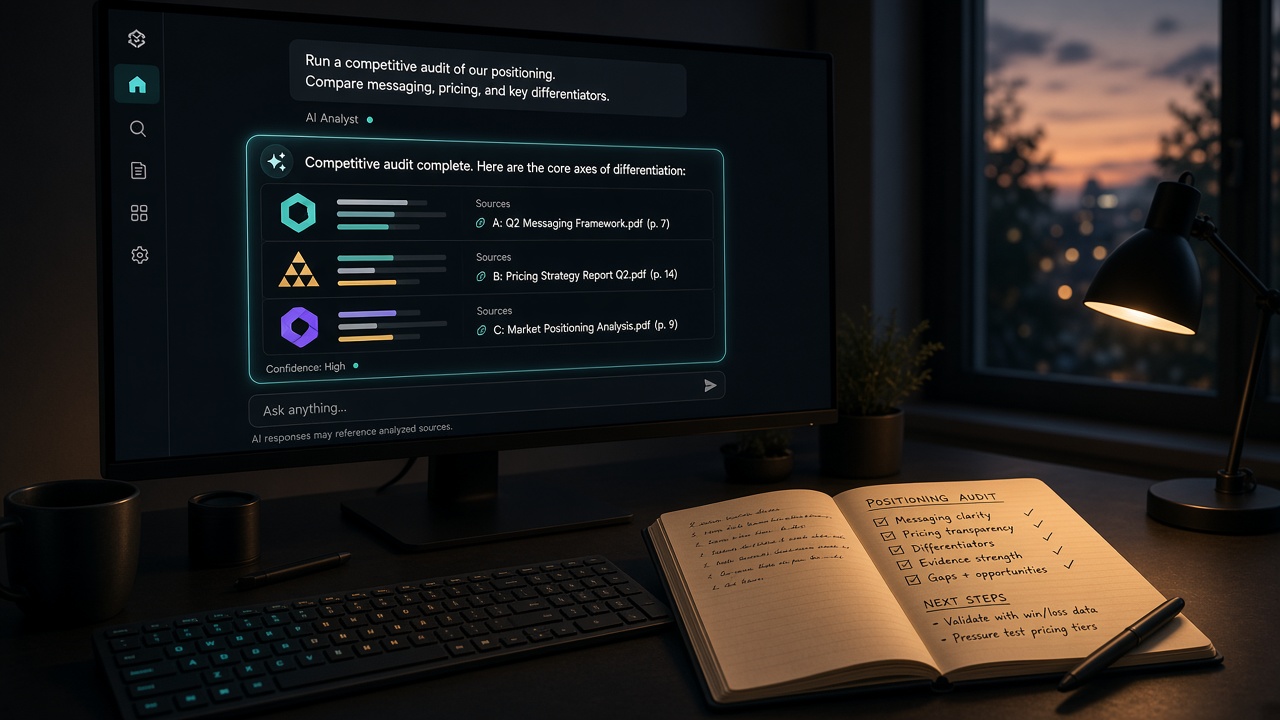
Search used to mean a position among blue links you could screenshot and trend. Answer engines change the unit of winning: the model either cites you, names you without a link, recommends you, or leaves you out. An AI visibility checker is how you measure that outcome on purpose—across ChatGPT, Perplexity, Google AI Overviews, and related surfaces—instead of guessing from a handful of chats.
The useful version of a checker is a method, not a magic dashboard. You lock a prompt set (branded and non-branded), a competitor set, and the engines that matter to buyers. You score each answer as mentioned, linked, or recommended. You treat sampling, personalization, and missing public APIs as known limits of the data, not as reasons to skip the audit.
This playbook is built for lean teams that need evergreen process: a baseline, a simple rubric, a gap-to-fix map (entity clarity, quotable evidence, extractable structure, E-E-A-T signals), and a cadence that folds into research-to-publish and AEO/GEO work. The goal is citations that support referral traffic, branded search, and assisted conversions—not mention vanity.
- AI visibility means measurable citations, mentions, and links inside answers—not classic blue-link rankings.
- Run a baseline with branded and non-branded prompts, a competitor set, and a mentioned / linked / recommended score.
- Combine free manual checks with emerging trackers, and treat sampling and personalization as limits of the data.
- Map gaps to entity clarity, original evidence, extractable structure, and internal links from authority pages.
- Spot-check weekly, audit monthly, and ignore mention volume that does not support traffic or conversions.
What an AI Visibility Checker Actually Measures
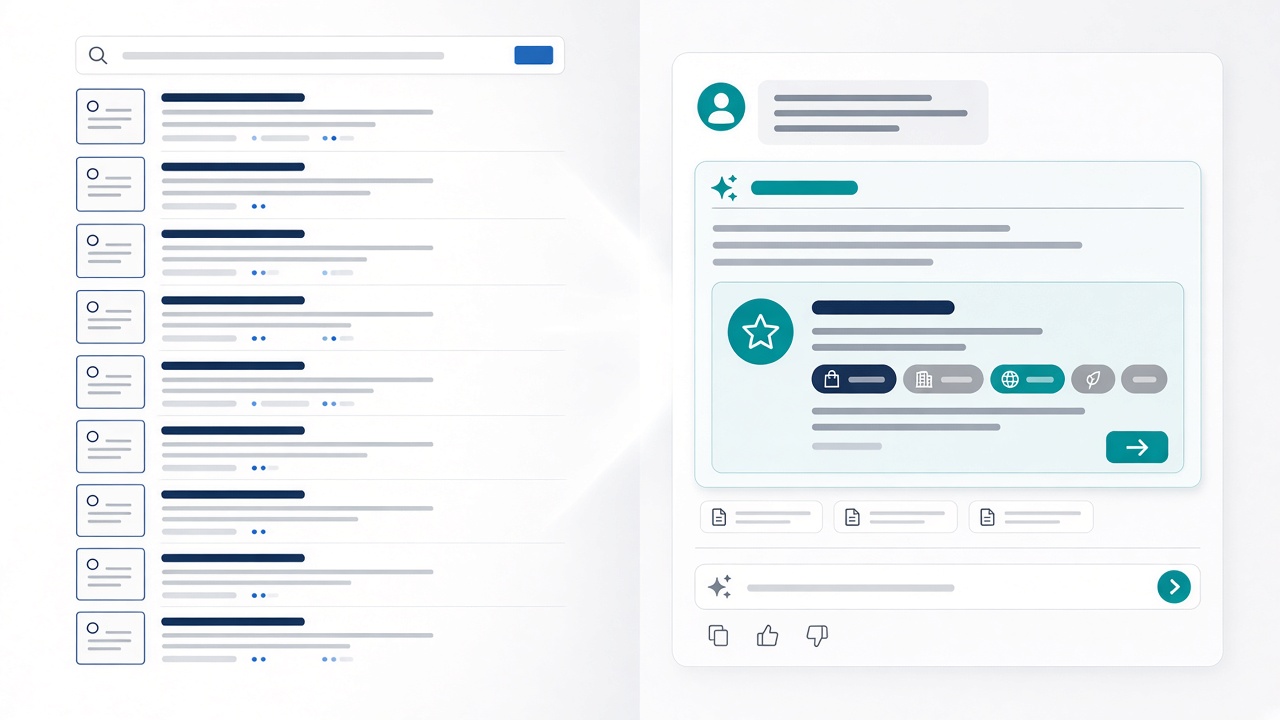
Treat the checker as a citation instrument, not a rank tracker. It does not score blue-link position. It scores whether a generative answer names your brand, cites a page, includes an outbound link, or recommends you outright—or none of those. That presence inside the answer is the unit of measurement.
Sample ChatGPT, Perplexity, Google AI Overviews, Gemini, and Copilot. One run is not a result. Answers shift with prompt wording, locale, and session history, so a checker that ignores that variance will mislead you.
Brand queries test whether the model can identify you when someone already has you in mind. Category and problem prompts—how to choose, how to fix, what to use—are where citations win demand you do not yet own. Audit only your brand name and you measure recognition, not acquisition.
Playbooks for answer engine optimization and generative engine optimization already cover how to become citable. This article is the measurement layer beside them: a repeatable mention, link, and recommendation score so you know whether the work showed up.
The unit of measure — AI visibility is brand mention, page citation, outbound link, or explicit recommendation inside named engines’ answers—not SERP rank—and brand-name checks must stay separate from the category prompts that win demand.
Build a Baseline Audit You Can Re-Run
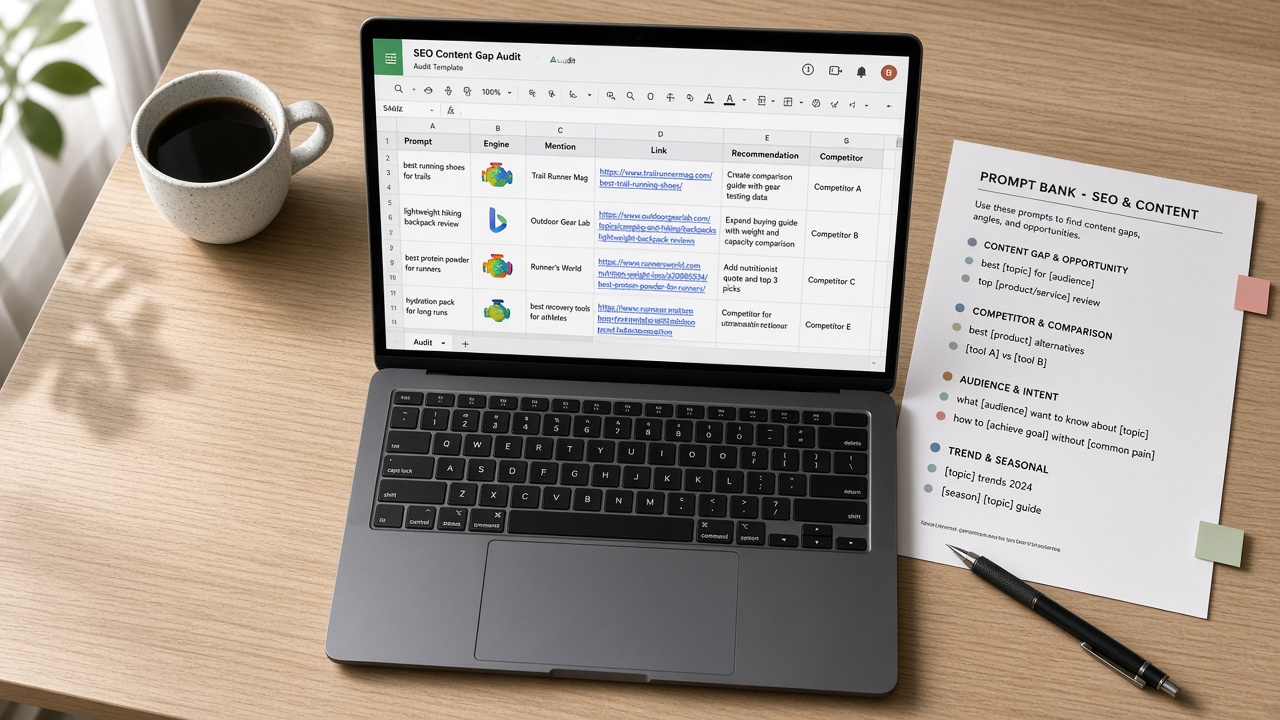
With the measurement idea in place, freeze the experiment before you score anything. Next month’s run only means something if the questions, engines, and rivals have not moved.
Assemble a prompt bank and a frozen peer list
Write a short set of branded queries covering your company, products, and the versus language buyers already use. Then add a broader set of non-branded category, problem, and comparison questions in real buyer language—the demand you do not already own. Lock a small list of competitors you actually lose work to, and keep the engine list unchanged every cycle so the scores stay comparable.
That sheet is the baseline. Checkers and trackers can sit on top later; they should follow this protocol rather than invent a new one.
Comparability — If the prompt bank, engines, or competitor set drift, you are not tracking visibility—you are starting a new experiment.
Run the Audit by Hand, Then Add Lightweight Tools

That template only pays off when you run it the same way every cycle. Start on the free path: open a clean session for each engine—logged out or in a private window when the product allows—and paste the exact prompt from the bank. Capture the full answer as a screenshot and as text. Mark mentioned, linked, or recommended for your brand and each competitor, plus any quoted claim or URL. Finish that prompt on ChatGPT, Perplexity, Google AI Overviews, Gemini, and Copilot before you move to the next query. Do not rephrase mid-cycle.
Once those runs feel slow, layer a lightweight AI search visibility checker or mention tracker to fan out prompts and flag new citations. Treat the tools as sampling aids, not ground truth.
Limits you should assume from day one
- Personalization still warps answers from session to session.
- Public APIs are incomplete or missing, so coverage stays uneven.
- Sampling is unstable from one hour to the next.
- Engines often paraphrase without a clear source link, so URL-only trackers undercount real mentions.
The durable choice is hybrid: manual baseline for truth, tools for breadth and alerts as budget allows.
Hybrid stack — Keep clean-session manual runs as the source of truth; use lightweight checkers only to extend sampling and alerts.
Score Citations, Not a Vanity AI Rank
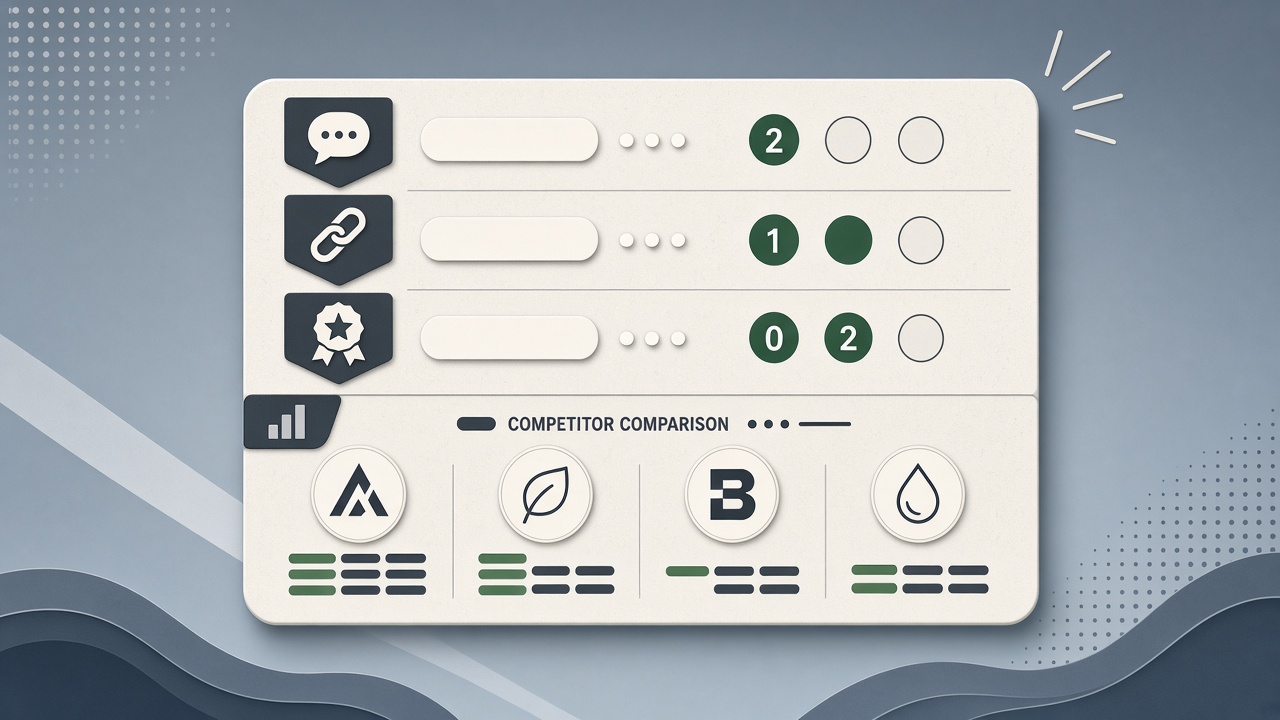
Once those spreadsheet rows are filled, scoring is what turns screenshots into an audit you can act on. Do not collapse the cycle into a single “AI rank.” Score every prompt–engine pair on three tiers, then add a simple binary against the competitor set you already logged: you appeared in that answer, they did, both, or neither.
- Mentioned: your brand or entity name appears in the answer, even if nothing is cited.
- Linked: a URL or specific page is cited so a reader could click through.
- Recommended: you are the explicit pick or treated as the primary source—not one name among many.
Roll those scores up three ways: by engine, by prompt cluster (branded versus commercial category, problem, and comparison queries), and by page or entity. A brand that dominates its own name and never appears on demand-side prompts is not winning visibility; it is only being recognized after the buyer already chose. Weight linked citations and recommendations that can drive referral clicks, branded search lift, and assisted conversions. Raw mention count is vanity. Frequent name-drops with no link, and “wins” on weak category prompts that never reach buyers, are false comfort—keep them in the log, then discount them when you decide what to fix.
The real score — Score each prompt–engine pair as mentioned, linked, or recommended, plus a competitor win. Roll up by engine, cluster, and page—never a single AI rank—and weight outcomes that can send traffic over unlinked name-drops.
Turn Gaps Into Fixes and Keep the Audit on a Calendar

Once the scorecard is honest, each miss should map to a specific page or entity change—not a vague instruction to do more GEO. An unlinked name-drop, a competitor recommended in your category, and a branded prompt that never cites your URL are different failures, and they need different edits.
Prioritize pages already close to citation—mentioned but not linked—before you commission net-new topics. Those near-misses usually need to become extractable: consistent entity names and descriptors, answer-first structure, a quotable claim or original data a model can attribute, visible E-E-A-T, and internal links from pages that already carry authority.
Then put the frozen protocol on a clock. Weekly, re-run your top commercial prompts in clean sessions and log mentioned, linked, and recommended. Monthly, run the full multi-engine bank with the competitor roll-up so you can see which engines and clusters actually moved. Fold those findings into briefs and publishing gates—claim language, sources, entity names, and internal links become checks before you ship—so AEO and GEO work is measured against the same citation score instead of guessed after publish.
Cadence — Weekly commercial spot-checks plus a monthly full multi-engine audit turn AI visibility from screenshots into a publishing loop you can actually manage.
Key Takeaways
Freeze your prompt bank and competitor list this week, log mentioned-linked-recommended across the five engines, and put the monthly recrawl on the calendar.