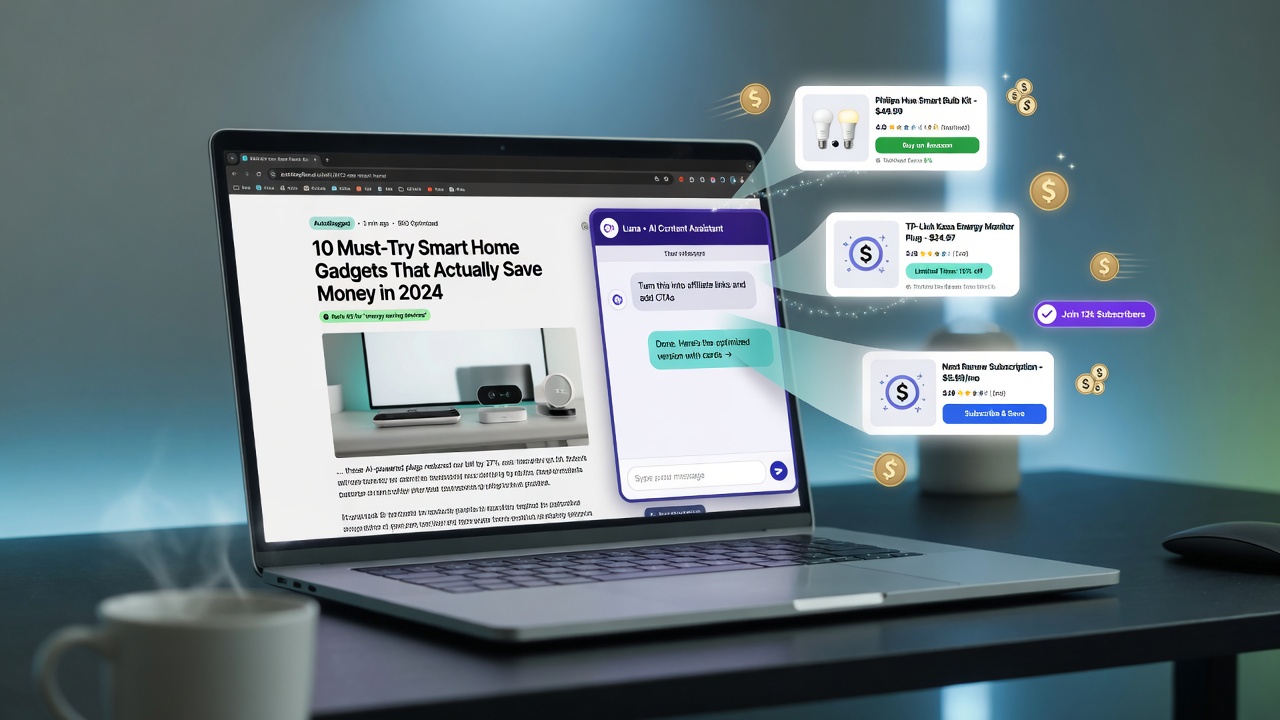
Ad Revenue Optimization Through Reader AI Interactions
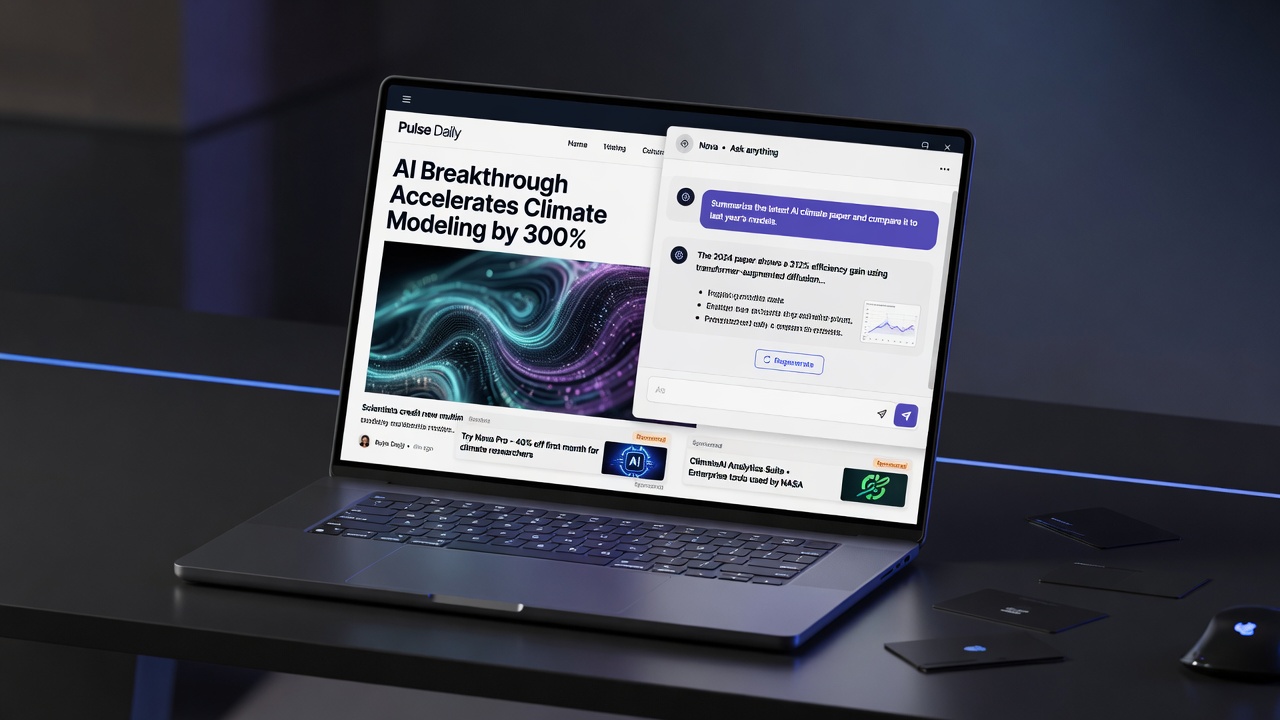
Traditional display ads are losing their punch as readers develop banner blindness, but a massive shift is happening right inside the content itself. By embedding an interactive ai chat directly into automated articles, publishers are transforming passive reading into active, high-value conversations. This conversational shift is backed by major industry moves. For instance, OpenAI officially launched ads in ChatGPT on February 9, 2026, for logged-in U.S. adults on Free and Go tiers, proving that conversational monetization has arrived at scale.
When readers ask questions, clarify points, or navigate your site through an on-page assistant, they signal exact, real-time intent. This direct engagement translates into significant revenue potential. According to the industry guide How Much Can You Make From AI Chatbot Ads in 2026?, a modest AI chatbot or agent handling 100,000 messages per month can earn anywhere from $2,000 to $50,000 monthly depending on your ad unit choices. This is possible because, as detailed in AI in Media Monetization: Optimizing Advertising and..., AI enables real-time audience analysis, automating ad placements, pricing, and content recommendations to maximize engagement and revenue.
Instead of relying on generic banners, publishers can now serve highly contextual offers mid-conversation. Indeed, research from Native Ads in AI Chats: 7 Proven Monetization Strategies shows that native in-chat advertising achieves $20-$42 CPM with 70% revenue share through platforms like Idlen. To capture this high-yield revenue stream, publishers must understand how to transition from static content blocks to dynamic, interactive experiences.
- 1
AI chat integration transforms passive readers into active users, opening up high-yield native ad opportunities.
- 2
In-chat conversational ads can achieve strong $20-$42 CPM rates with up to 70% revenue share.
- 3
Industry giants like OpenAI have validated this model, launching ChatGPT ads in early 2026.
- 4
Real-time audience analysis enables automated, context-aware ad placements that maximize publisher revenue.
The Conversational Shift: Transforming Static SEO Pages Into Dynamic Assets
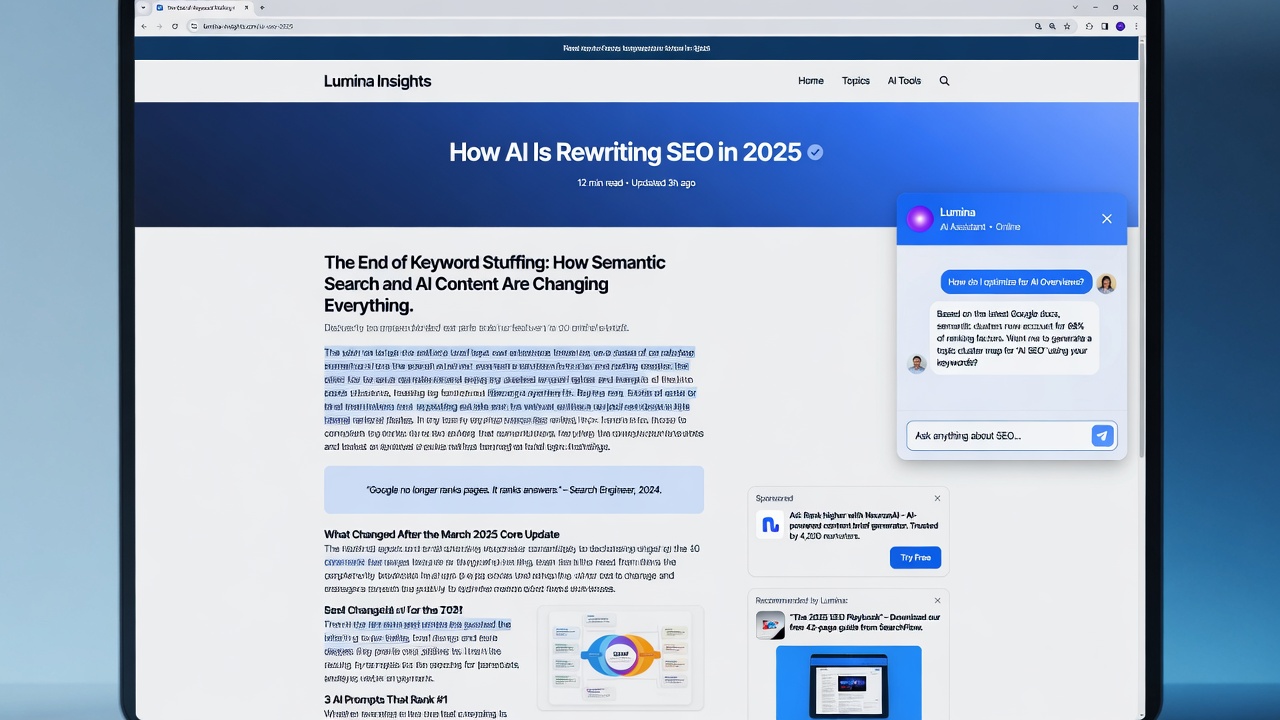
This transition is already well underway at the highest levels of digital media. When OpenAI officially launched ads in ChatGPT on February 9, 2026, for logged-in U.S. adults on Free and Go tiers, it proved that readers are not only comfortable with monetized AI interfaces—they actively engage with them.
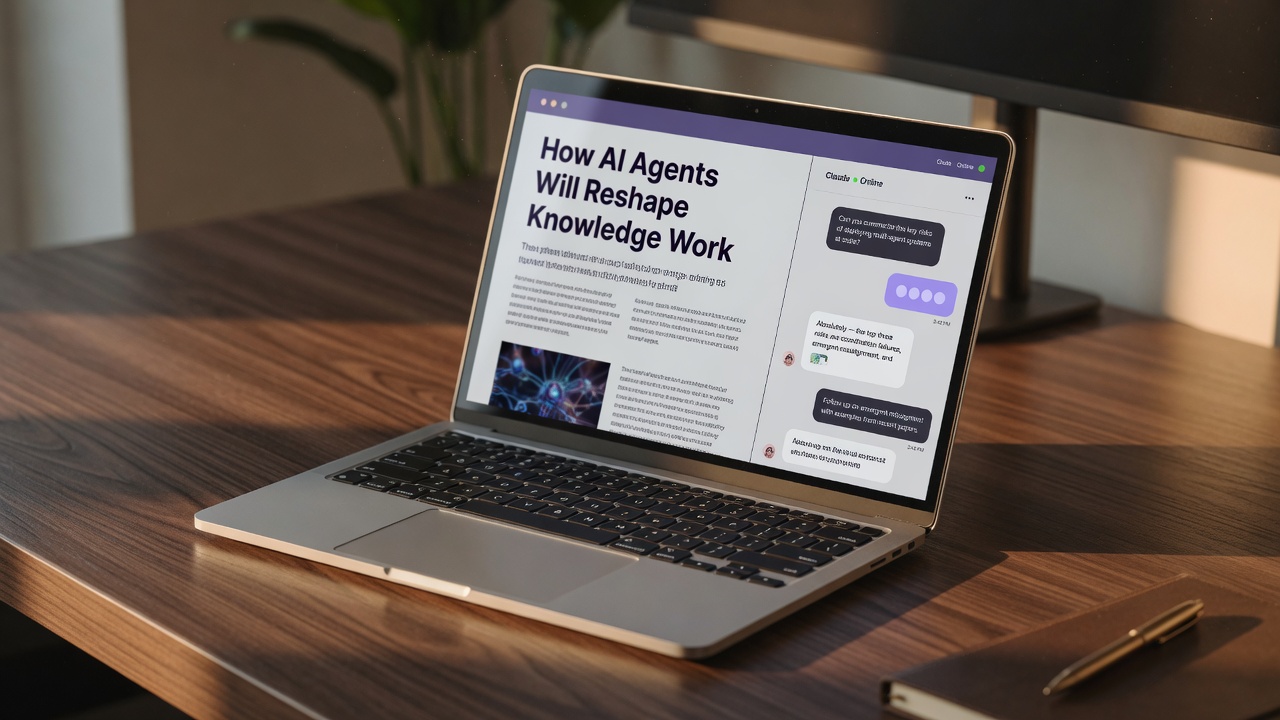
For publishers, the implications are profound. Traditional SEO content automation has historically focused on a one-way flow of information: a user searches, lands on a page, skims a static block of text, and leaves. By embedding an interactive AI chat directly within the article, you convert that passive reading experience into an active, conversational asset.
This in-article placement offers a massive advantage over sending users to external bots. It keeps readers on your site significantly longer, turning a brief bounce into a deep, high-value session. As users ask questions and refine their search in real-time, publishers gain the ultimate monetization tool: the ability to serve hyper-targeted native ads at the precise moment of intent.
Interactive SEO Assets — Moving from static text to in-article AI chats keeps readers on-site longer and opens premium, real-time native advertising opportunities validated by major platforms.
What Can You Actually Earn? The Real Economics of AI Chat Ads
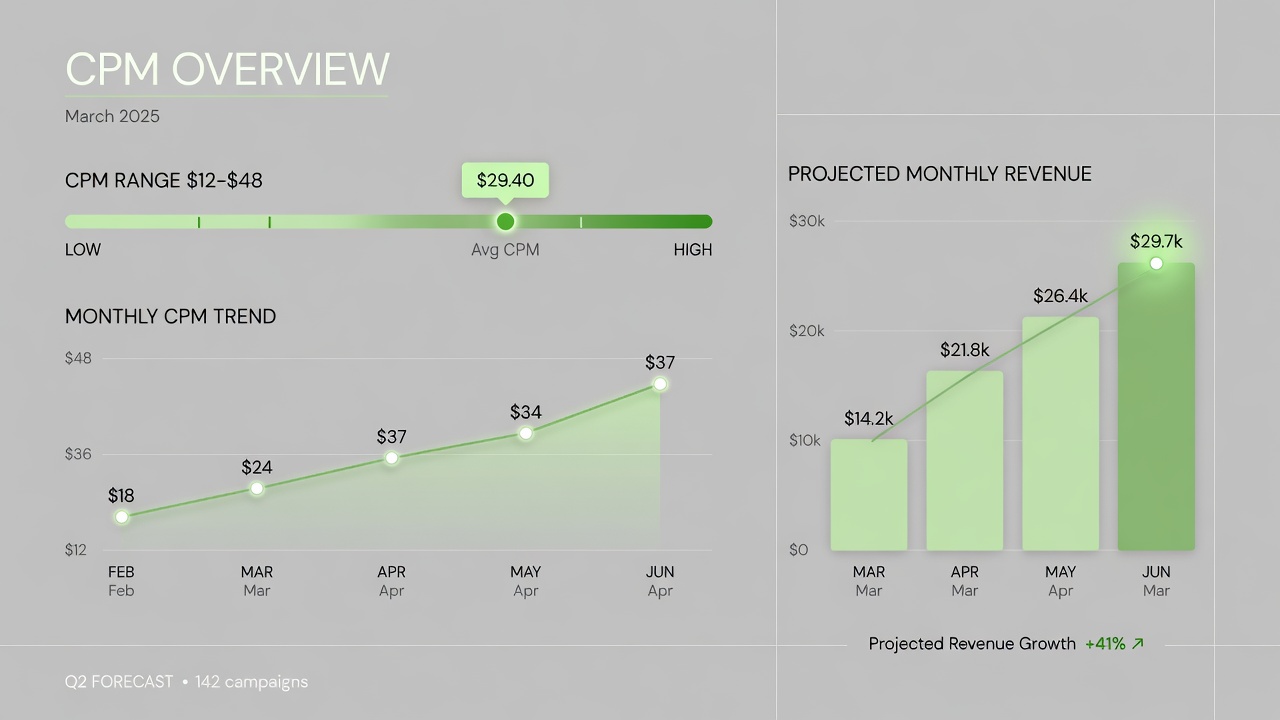
This instant alignment of user intent and ad placement translates directly into a highly lucrative revenue model. Unlike traditional display ads that often get ignored, native in-chat advertising captures active attention, yielding premium rates. By embedding conversational agents directly into your automated content, you transition from low-value page views to highly monetizable interactions.
These benchmarks highlight how quickly conversational scale translates into meaningful income. Even a modest AI chatbot handling 100,000 messages per month can earn anywhere from $2,000 to $50,000 monthly depending on your ad unit choices. Because these ads appear natively within a helpful conversation, readers accept them as part of the assistance rather than an intrusion.
However, raw traffic is only part of the equation. Your ultimate yield depends heavily on engagement depth and niche relevance. High-intent topics command premium rates, while hybrid monetization strategies—combining sponsored responses, affiliate links, and programmatic ads—consistently outperform single-format setups. To protect the user experience while securing these high earnings, publishers must focus on the precise timing of each placement.
Conversational monetization scales rapidly — In-chat native ads deliver premium $20-$42 CPMs, turning modest interaction volumes of 100,000 messages into up to $50,000 in monthly revenue depending on your ad choices.
The Art of the Pause: Placing Ads When Readers Are Most Receptive
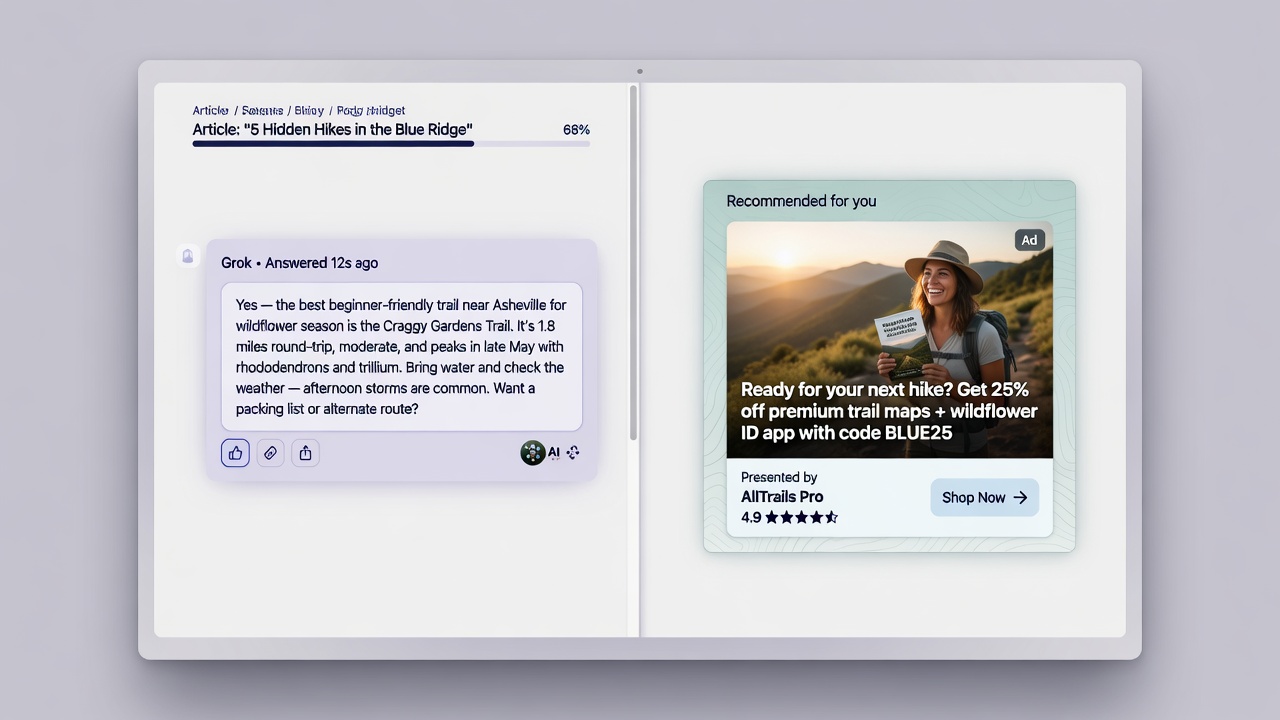
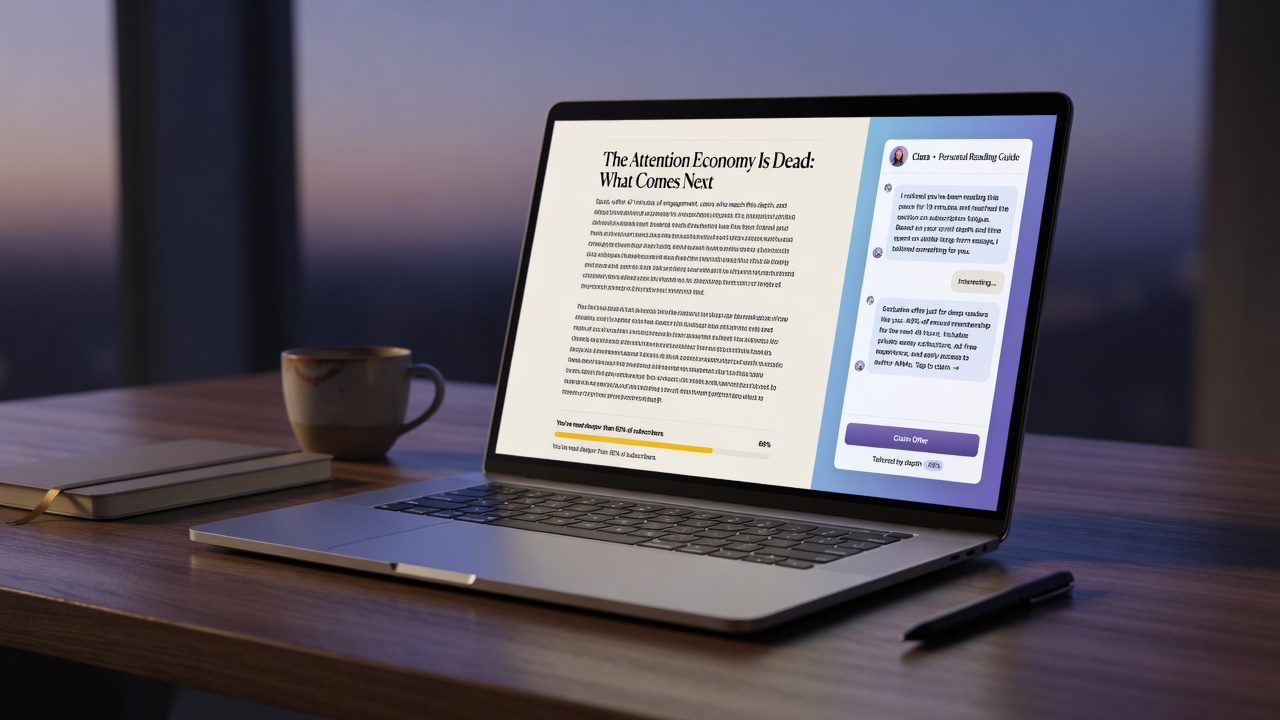
This timing is everything. If an ad interrupts a user mid-thought, they will close the chat window. The secret lies in placing contextual ads after the AI assistant has fully answered the reader's query. This post-response placement feels like a natural continuation of the conversation rather than an annoying interruption.
By waiting until the user has received the value they came for, their cognitive load drops, making them far more receptive to external recommendations. Furthermore, this approach preserves the core user experience and article navigation. Readers can still easily scroll, click internal links, or continue reading the main text without dealing with intrusive pop-ups or broken page flows.
Because the AI engine understands the exact context of the user's query, any ad or sponsored recommendation served at this moment feels highly relevant. Instead of hurting retention, these highly targeted suggestions actually improve click-through rates, turning a standard search query into a helpful, monetized pathway.
Value-first placement — Serving ads immediately after delivering a helpful AI response preserves the user experience and drives higher click-through rates by matching the reader's exact real-time intent.
The Hybrid Engine: Combining Chat, Programmatic, and Affiliate Streams
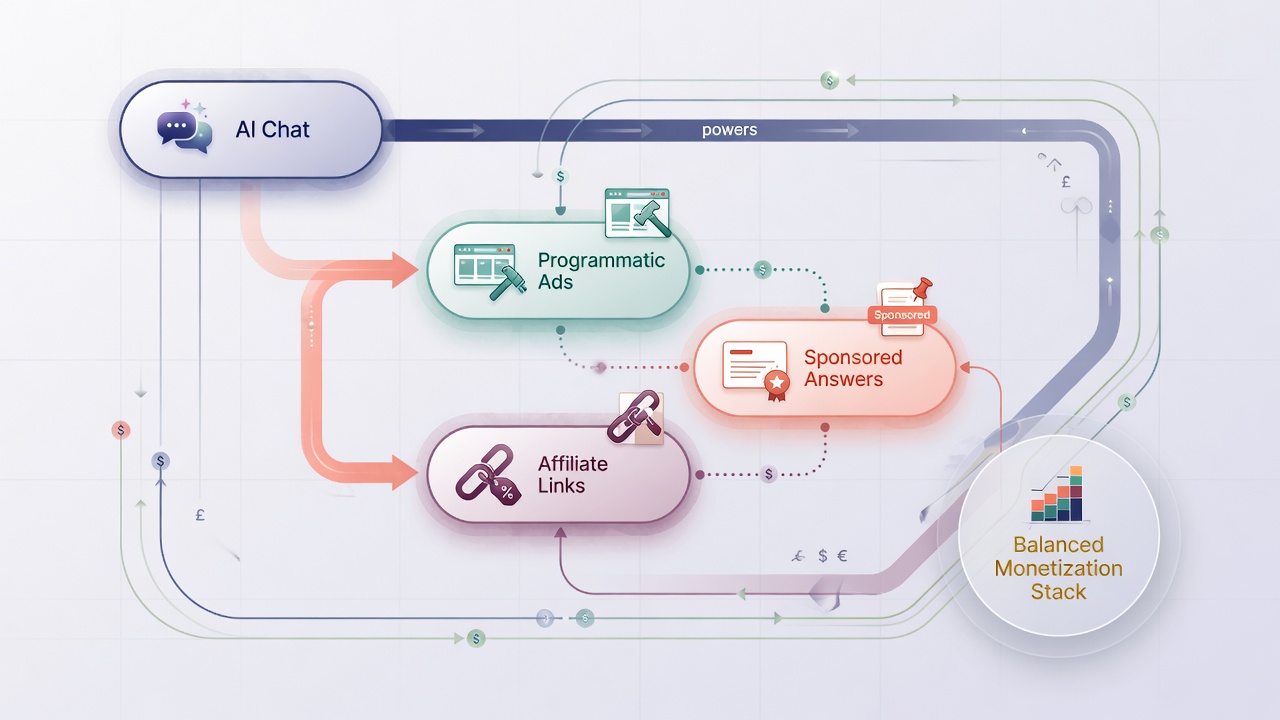
To truly maximize this monetized pathway, smart publishers are moving away from single-channel monetization. Layering multiple revenue streams—such as combining traditional programmatic display ads on the page, native sponsored recommendations within the chat, and highly targeted affiliate links—consistently outperforms single-method approaches.
The engine behind this orchestration is intelligent automation. By leveraging interaction data, AI enables real-time audience analysis, automating ad placements, pricing, and content recommendations to maximize engagement and revenue. Instead of relying on static, pre-determined ad slots, the system dynamically serves the right monetization format based on the user's intent and depth of engagement.
However, the ultimate success of these hybrid models relies on protecting long-term traffic and reader trust. If a page becomes cluttered or overly aggressive, visitors will leave. Balancing monetization with genuine reader value ensures that the conversational AI remains a helpful assistant first. When the user receives high-quality, instant answers, any subsequent sponsored recommendation feels like a logical, valuable next step rather than an intrusive interruption.
Diversified monetization — Combining interactive chat ads with programmatic and affiliate streams, powered by real-time audience analysis, maximizes revenue while preserving user trust and long-term traffic.Key Takeaways
Discover how Flows can automatically publish high-quality content and integrate revenue-generating AI chats directly into your articles today.
Frequently Asked Questions
Traditional banner ads rely on generic page-level targeting, whereas AI chat monetization places highly relevant, native ads directly into the conversation based on the reader's real-time queries.
According to the guide How Much Can You Make From AI Chatbot Ads in 2026?, a modest AI chatbot handling 100,000 messages per month can earn between $2,000 to $50,000 monthly.
Yes, conversational advertising is rapidly going mainstream. For example, OpenAI officially launched ads in ChatGPT on February 9, 2026, for logged-in U.S. adults on Free and Go tiers, validating the economic viability of chat-based monetization.
Publishers can expect strong returns from these highly targeted placements. According to Native Ads in AI Chats: 7 Proven Monetization Strategies, native in-chat advertising achieves $20-$42 CPM with 70% revenue share through platforms like Idlen.
AI dynamically analyzes user intent as they type. As noted in AI in Media Monetization: Optimizing Advertising and..., AI enables real-time audience analysis, automating ad placements, pricing, and content recommendations to maximize engagement and revenue.
You Might Also Like